

 FREE ESTIMATE
 (901) 457-9405




 View All Reviews

consult with an expert
(901) 457-9405

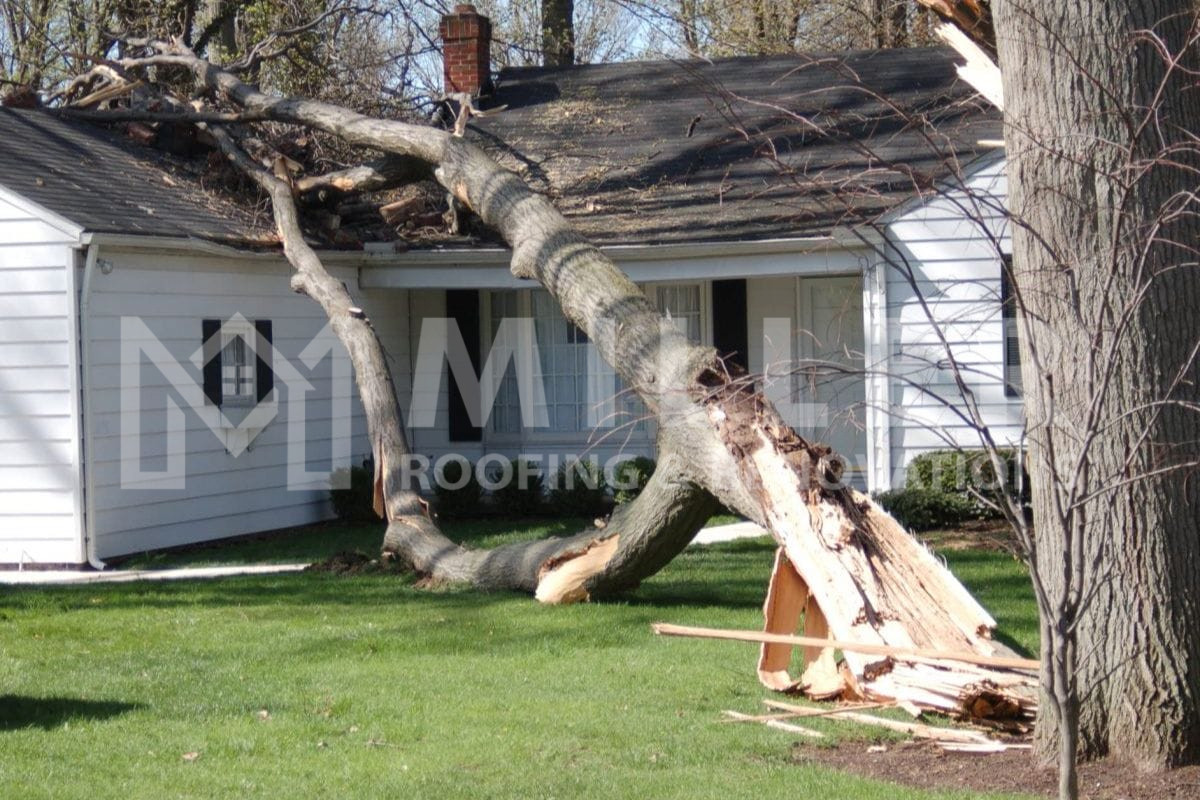
Savannah, TN sits in a region where frequent thunderstorms and strong straight-line winds put roofing systems to the test throughout the year. When these storms roll through, they can lift shingles, crack flashing, and send tree branches crashing onto your roof. The area receives around 50 inches of rain annually, and that heavy rainfall quickly finds any weak spots left behind by hail or wind damage. Once water starts seeping through compromised areas, it saturates decking and insulation, turning minor damage into expensive structural problems. Temperature changes between cold winter mornings and hot summer afternoons add another layer of stress, causing damaged materials to expand and contract until small cracks become serious leaks. For properties near the Tennessee River and regional waterways, fallen debris and overhanging trees create an ongoing threat that can turn a single storm into a roofing emergency.
Professional storm damage roof repair addresses these challenges by identifying hidden damage before it spreads and restoring your roof’s ability to protect your home. Miller Roofing and Renovations understands the unique conditions in Savannah, from navigating saturated soil during wet seasons to working around site access challenges that come with spring and winter storms. Our team provides thorough evaluations that uncover wind-lifted shingles, hail impacts, and water damage that might not be visible from the ground, then completes repairs that restore your roof’s durability and keep your family dry through the next round of severe weather.
After a storm, uncertainty about roof damage can delay decisions and expose your home to additional risk. Our process provides clear direction from the first on-site visit through final verification, so you understand exactly what happened and what actions are required.
Thunderstorms bring a combination of hazards that target different parts of your roofing system, and recognizing the specific type of damage helps you understand what repairs are needed. Wind, hail, falling debris, and heavy rain each leave distinct signs that require different repair approaches. Some damage is obvious from the ground, while other problems hide beneath the surface and only reveal themselves through leaks or deterioration weeks later.
Tennessee’s unpredictable weather patterns demand a roof that can handle everything from sudden downpours to high winds without leaving your home vulnerable. Complete professional roof repair restores your roof’s ability to shed water, resist wind uplift, and maintain structural integrity through seasons of temperature changes and storm cycles. Addressing damage now prevents small problems from spreading into expensive structural issues that affect your property value and require far more work to fix. Scheduling your evaluation before the next period of heavy rainfall gives you confidence that your home is ready for whatever weather comes next.
Miller Roofing and Renovations helps Savannah homeowners restore their roofs after storm damage with honest evaluations and reliable repairs. When you’re ready to address the impacts from recent weather, our team is ready to inspect your roof and complete the work your home needs. Reach out to Miller Roofing and Renovations to schedule your professional evaluation and protect your investment.
Got questions about your roof? We’ve got answers. From maintenance tips to insurance claims and repair timelines, our FAQ section covers the most common concerns homeowners have. Get informed and make confident decisions about protecting your home.
Most storm damage repairs take 1 to 3 days, depending on the extent of the damage and weather conditions. Simple shingle replacement and flashing repairs often finish in a single day, while more extensive work involving decking replacement or structural repairs may require additional time. We schedule repairs during dry periods to ensure proper installation, and Savannah’s frequent afternoon thunderstorms in spring and summer sometimes require us to adjust our timeline to avoid working in wet conditions.
The size of the damaged area, the type of materials needed, and the extent of structural damage beneath the surface all affect repair pricing. Repairs that require replacing decking or structural supports cost more than surface shingle replacement, and matching specialty materials on older roofs can increase material expenses. Roof pitch and accessibility also play a role, since steeper roofs or properties with limited access require additional safety measures and labor time.
Look for visible signs like missing or curled shingles, granules collecting in gutters, dents on metal vents or flashing, and debris on the roof surface. Inside your home, watch for new water stains on ceilings, dripping sounds during rainfall, or damp spots in your attic. Many homeowners miss damage that occurs on the backside of the roof or in valleys, so a professional inspection after severe weather identifies problems before they cause leaks.
We will be happy to assist you
