

 FREE ESTIMATE
 (901) 457-9405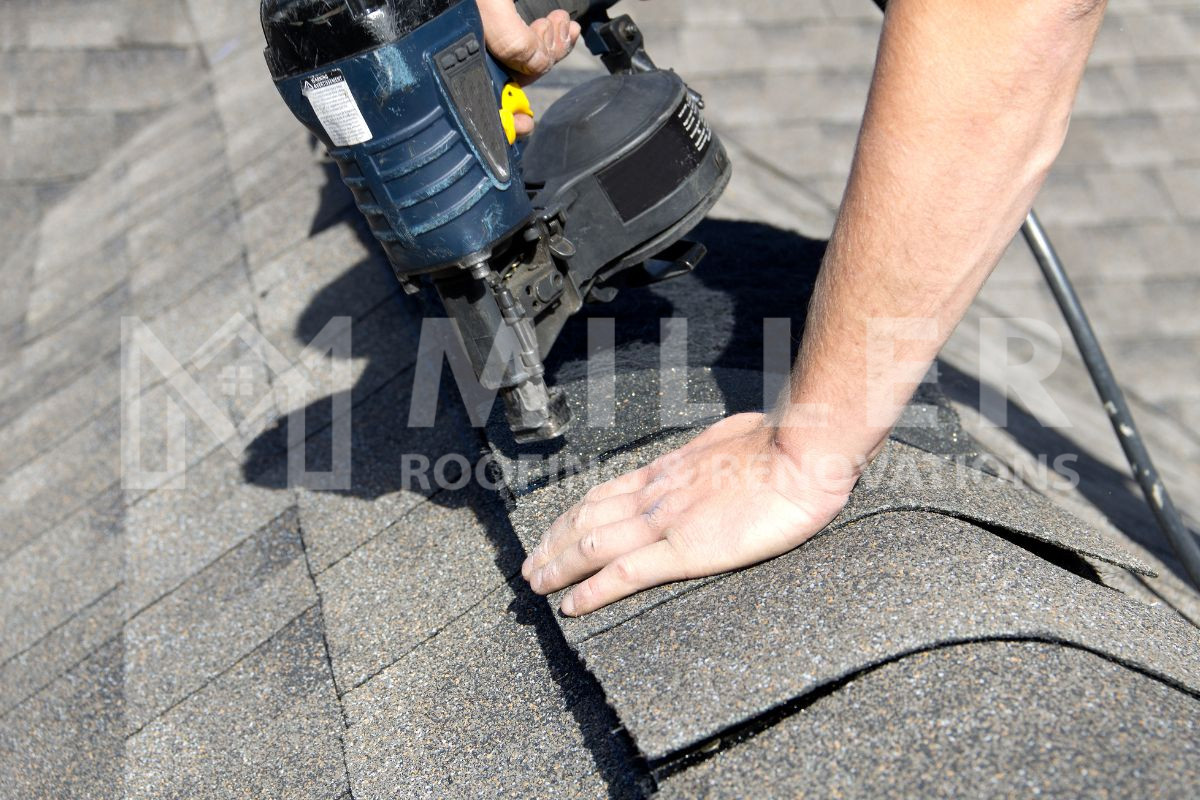









 View All Reviews

consult with an expert
(901) 457-9405

Living in Savannah means your roof takes a beating year-round. Between spring storms that bring strong winds and hail, summer heat that accelerates wear on shingles, and seasonal temperature changes that stress seams and flashing connections, your roof is constantly working against the elements. West Tennessee's humidity adds another layer of pressure, quietly breaking down roofing materials even between major weather. When small issues like a missing shingle or a slight separation around flashing get ignored, the damage has a way of spreading well beyond what a simple repair would have fixed.
That's where Miller Roofing and Renovations comes in. We work with homeowners throughout the Savannah area and understand how local weather patterns affect roofs specifically here, not just in general terms. The combination of heavy spring rainfall, persistent humidity, and year-round temperature changes means the most common repair needs we see, damaged shingles, deteriorating flashing, and leaks in valleys, tend to develop faster than homeowners expect. Catching these problems early keeps your home protected and keeps repair costs manageable.
Whether you noticed a water stain after the last storm or you just want to know where your roof stands heading into the next season, a professional inspection gives you a clear picture of what needs attention and what can wait. Knowing your roof is in good shape means your family and your investment in your property are well protected.
If you have not had roof work done in some time, or this is your first time dealing with it, understanding the process up front helps keep things straightforward from start to finish.
Savannah's weather puts specific pressure on certain parts of your roof more than others. Understanding which repairs come up most often here, and why, helps you know what to watch for before a small issue turns into a bigger one.
| Repair Type | Common Cause in This Region | Why It Needs Quick Attention |
|---|---|---|
| Flashing repair around chimneys and vents | Thermal expansion and contraction loosen seals over time | Gaps let water track directly into the structure below |
| Valley repairs | High annual rainfall concentrates water flow in low points | Deteriorated valleys escalate quickly under persistent moisture |
| Missing or damaged shingles | Wind and hail from spring storms | Exposed roof decking is vulnerable to every rain that follows |
| Granule loss on asphalt shingles | Summer heat cycles and year-round humidity | Bare shingles lose their protective ability and age faster |
One thing that often surfaces during a complete repair inspection is poor attic ventilation. In a region with Savannah's humidity levels, inadequate ventilation accelerates hidden damage to roof decking and structural parts that you'd never spot from outside. Identifying that during a repair visit, before it becomes a larger problem, is one of the more valuable things a thorough inspection can turn up.
When we replace damaged shingles, we work to match your existing roof's color, profile, and weight as closely as possible so repairs blend in rather than stand out. This matters for your home's appearance, but it also matters structurally, since mismatched materials can create vulnerable transition points on a roof that already handles heavy seasonal rainfall.
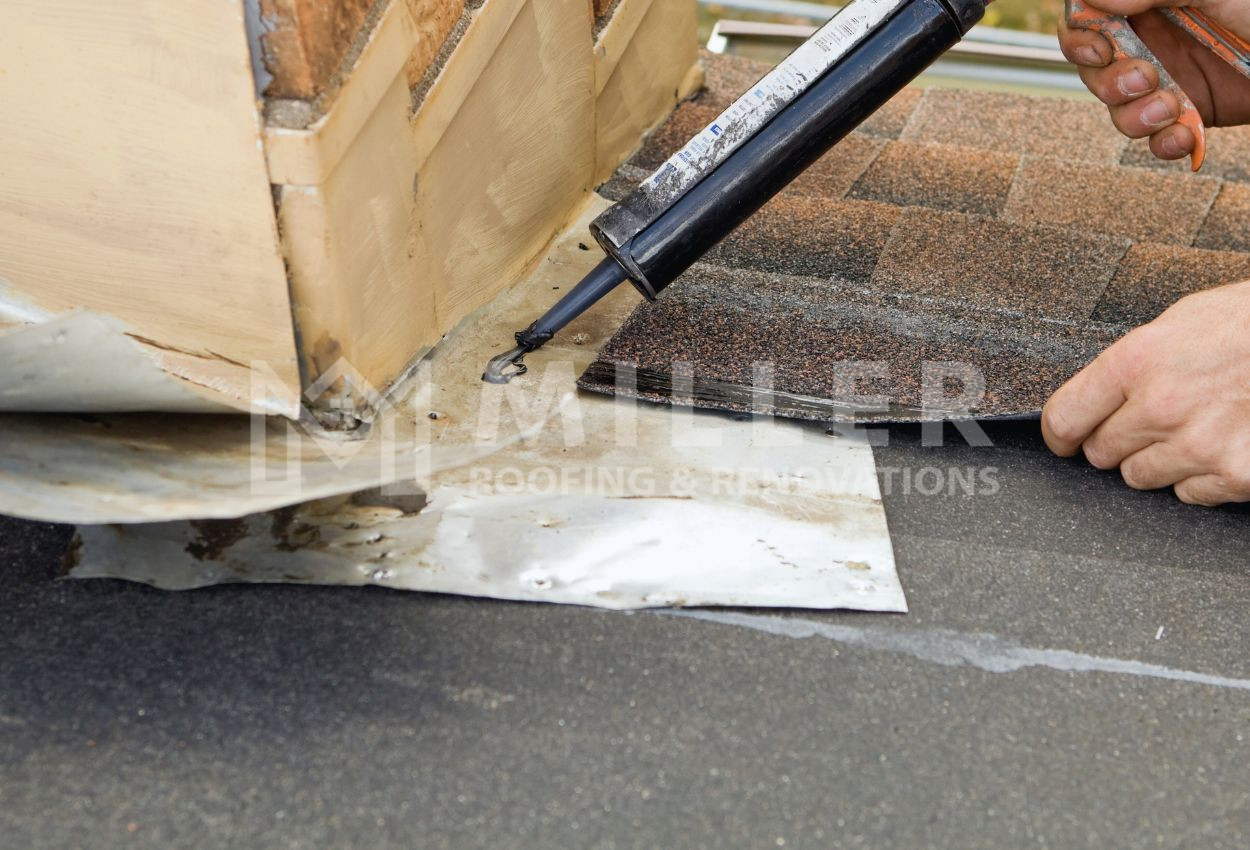
Flashing repairs around chimneys, pipe boots, and roof gaps go beyond simply covering a gap. We remove deteriorated sealant, rebed the flashing where needed, and apply materials suited to the temperature swings common in West Tennessee so the seal holds through seasons rather than failing after the first round of summer heat.
Valley systems take a disproportionate amount of water stress in a region that sees around 50 inches of rain annually, and a compromised liner means that concentrated flow has a direct path into your home. We repair or reinforce valley liners as part of targeted repairs in these areas, addressing the root of the problem rather than just the surface symptoms.
During repair work, if we identify ventilation concerns that are accelerating wear on your roof decking or sheathing, we flag those findings for you directly. In Savannah's humidity, poor ventilation causes hidden damage that won't show up on the outside until it has already become expensive, so knowing about it early gives you options before the problems add up.
Savannah's year-round moisture, seasonal temperature swings, and persistent humidity are hard on roofs in ways that aren't always obvious until damage is already well underway. Keeping up with repairs as issues surface is one of the most practical ways to protect your home, avoid unexpected expenses down the road, and maintain the value of your property over time. Fall is a particularly good window to address anything that developed over spring and summer before winter moisture has a chance to work into any vulnerabilities.
If you have concerns about your roof or just want a clear picture of where things stand, Miller Roofing and Renovations is ready to help. Reach out whenever it works for you, and we'll get a conversation started.
Got questions about your roof? We’ve got answers. From maintenance tips to insurance claims and repair timelines, our FAQ section covers the most common concerns homeowners have. Get informed and make confident decisions about protecting your home.
This is one of the trickier diagnostic questions in a humid region like West Tennessee, because both issues can produce similar symptoms inside your home. An active roof leak typically shows up after a rainstorm, while moisture from poor attic ventilation tends to build gradually and may appear as staining or soft spots even during dry stretches. A hands-on inspection of both the surface of the roof and the attic space is the most reliable way to tell the difference and make sure the right problem gets fixed.
Savannah's seasonal temperature range puts repeated stress on the metal and sealants used in flashing connections. As materials expand in summer heat and contract when temperatures drop into the 30s and 40s in winter, the seals around chimneys, vents, and roof gaps gradually work loose over multiple cycles. That constant movement is harder on flashing than steady climates with less temperature variation, which is why flashing repairs tend to come up more frequently here and why the materials and methods used for resealing need to hold up through those repeated shifts.
Fall tends to be a strong window for repairs because it catches anything that built up through spring storms and summer heat before winter moisture can work into existing vulnerabilities. Spring inspections before the heavy rain season are also worth timing intentionally, since catching weak spots in valleys and flashing before persistent rainfall arrives gives you a much better outcome than reacting after a leak has already developed. That said, repairs shouldn't wait if active damage is present, since Savannah's year-round rainfall means there's rarely a long dry stretch to absorb the delay.
We will be happy to assist you
