

 FREE ESTIMATE
 (901) 457-9405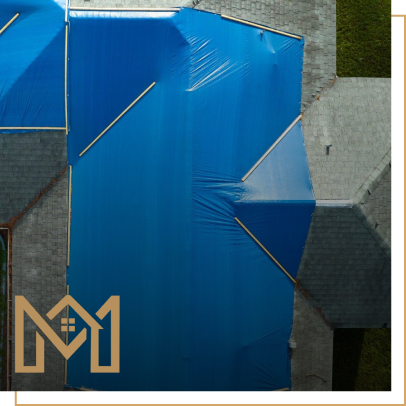









 View All Reviews

consult with an expert
(901) 457-9405

Living in Savannah, TN means your roof takes a beating year-round. This part of western Tennessee sits close to Dixie Alley, where tornadoes can strike in any season, including overnight when most families are asleep. Spring is the most active window, with the stretch from March through June accounting for the large majority of tornado activity across the state, and April alone bringing roughly a quarter of all annual occurrences. On top of that, summer brings daily afternoon thunderstorms with gusty winds, and winter delivers long stretches of front-driven rain that keeps moisture pressing against your shingles and flashing for days at a time. With wind gusts regularly hitting 40 mph during storms, missing shingles and damaged flashing are not occasional problems here. They are a routine reality.
The real danger with storm damage is what happens after the initial hit. Water that gets in through a compromised shingle or a failed flashing joint does not stay in one place. It travels through your attic and into your ceilings and walls before you even realize there is a problem. When damage happens overnight, that delay makes things worse. Getting a qualified crew on your roof quickly is what keeps a manageable repair from turning into something far more expensive.
Miller Roofing and Renovations responds to emergency calls around the clock because storms in Savannah do not wait for business hours, and neither should your repair.
When a damaged roof is allowing water into your home, the priority is controlling the immediate problem before moving into permanent repairs. Miller Roofing and Renovations handles the emergency in stages, from the initial assessment through the final review.
Not every roof problem needs a middle-of-the-night call, but some absolutely do. In Savannah, where storms roll through at all hours, and overnight tornado damage can go unnoticed until morning, knowing the difference between a situation that can wait and one that cannot could save your home from serious interior damage.
| Damage Type | Common Cause in Savannah, TN | Emergency Priority |
|---|---|---|
| Missing or displaced shingles | High wind gusts from thunderstorms or tornadoes | High: exposed roof decking allows water in immediately |
| Visible holes or punctures | Falling debris during severe weather | High: open roof surface requires same-day sealing |
| Failed or separated flashing | Wind-driven rain along roof edges and valleys | High: water travels fast through flashing gaps |
| Active interior leaks | Overnight storm damage discovered at daylight hours | High: water already moving through attic or ceilings |
| Sagging or soft roof decking | Extended leaks from repeated storm exposure | High: structural concern requiring immediate inspection |
Western Tennessee sees a higher concentration of damaging windstorms than much of the state, which means these situations come up more often than homeowners expect. If you are seeing any of the issues above after a storm, do not wait to call. The longer a breach stays open, the further water travels into your home.
Because more than half of Tennessee tornadoes strike at night, Miller Roofing and Renovations keeps crews available around the clock to respond when damage happens while your family is asleep. You should not have to wait until morning to get someone on your roof when water is already moving through your attic.
Every emergency response includes the materials needed to cover and seal a damaged roof section on the spot: heavy-duty tarps, roofing cement, and temporary fasteners that hold up through follow-on rain. This is what keeps a bad situation from getting worse between the initial response and the permanent repair.
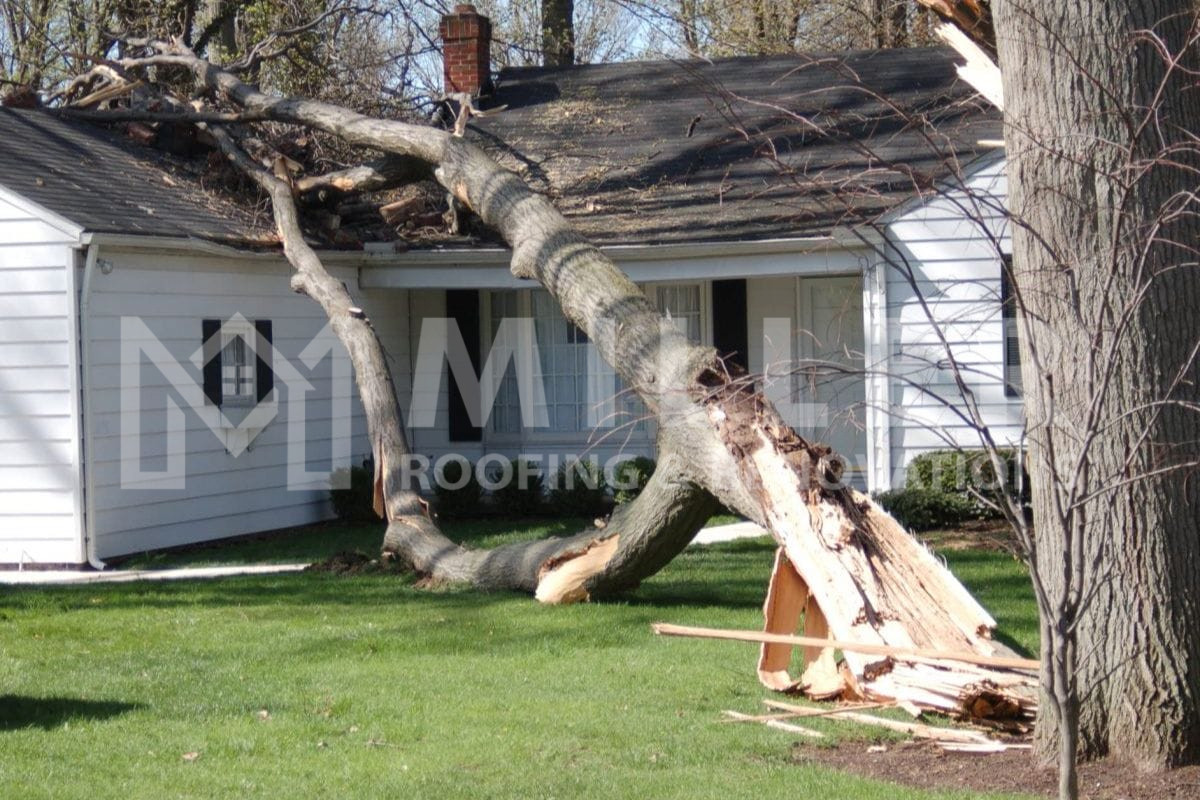
Wind-driven branches, displaced equipment, and airborne debris are some of the most common causes of sudden roof punctures in Savannah, especially during tornadoes and severe afternoon storms. Emergency repairs address these breach points directly, cutting out and replacing damaged roof decking and shingles rather than patching over surface-level damage.
October and November bring a second round of severe weather to western Tennessee as strong cold fronts push through, often generating tornadoes near sunset when people are least likely to be watching the sky. Miller Roofing and Renovations stays fully dispatched through this secondary peak so your home has the same emergency coverage in the fall as it does during spring tornado season.
Western Tennessee keeps your roof under constant pressure. Between the wind-driven rain of winter fronts, the daily summer thunderstorms, and a tornado window that stretches across much of the year, there is rarely a long stretch of truly calm weather. That kind of exposure makes it easy for small breaches to turn into real problems inside your home. Getting damage repaired quickly protects your ceilings, walls, and the investment you have made in your property before water has a chance to spread further than the initial point of entry.
If your roof took a hit recently, or if you noticed something after last night's storm, Miller Roofing and Renovations is ready to help. A quick call is all it takes to get a crew looking at your situation and talking through what needs to happen next. No pressure, just straightforward answers and reliable work from a team that knows what Savannah roofs go through.
Got questions about your roof? We’ve got answers. From maintenance tips to insurance claims and repair timelines, our FAQ section covers the most common concerns homeowners have. Get informed and make confident decisions about protecting your home.
Water rarely stays where it enters. After an overnight storm, a small breach in your shingles or flashing can allow water to travel several feet through your attic before it shows up as a stain on a ceiling or wall. By the time you spot visible evidence during daylight hours, the water has often already reached insulation, wood framing, or drywall. That is why getting a full inspection done quickly matters, even when the visible damage looks small from the ground.
It does, and many homeowners are caught off guard by it. October and November bring strong cold fronts through western Tennessee that can produce tornadoes near sunset, right when most people are wrapping up their day and not watching weather alerts. This second peak in storm activity means your roof faces serious wind and debris risk well outside of the spring window most people think of as tornado season. Staying aware of fall weather patterns in this area is just as important as spring preparedness.
Move any valuables, furniture, or electronics away from areas below the damaged section and place buckets or towels to catch active drips. If you can safely access an interior attic space, look for where water is entering and note the location so the crew can work faster once on site. Do not attempt to get on the roof yourself, especially after a storm when surfaces are wet and structural integrity may be compromised. These small steps can reduce interior damage while you wait for the repair team to arrive.
We will be happy to assist you
