

 FREE ESTIMATE
 (901) 457-9405









 View All Reviews

consult with an expert
(901) 457-9405

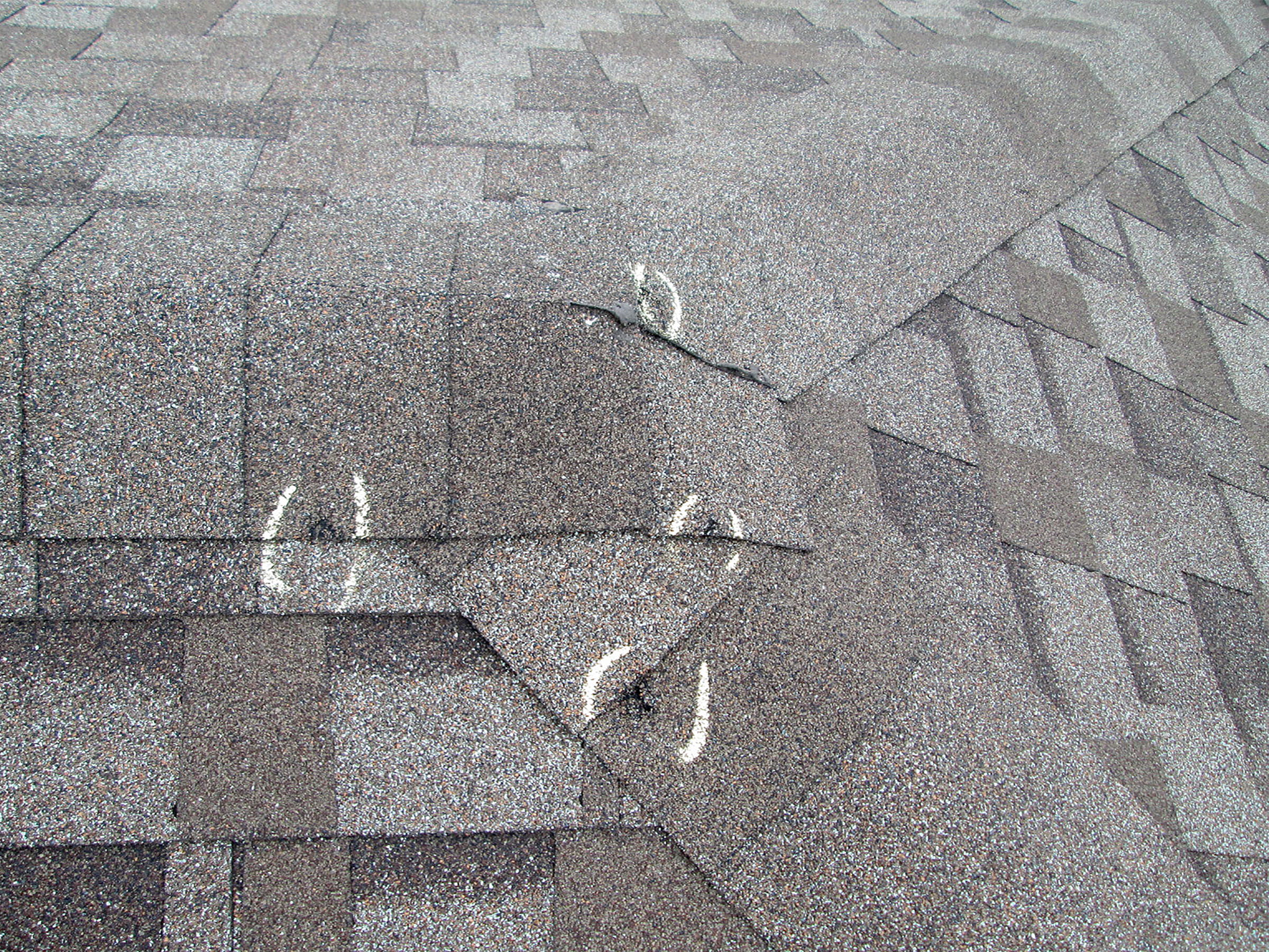
Oakland sits just east of Memphis in a part of Tennessee that sees some of the most active spring and early summer storm weather in the region. When those storms roll through, they often bring more than heavy rain. Hail can crack shingle tabs, knock granules loose, dent metal flashing, and punch through pipe boots, sometimes all in a single storm. What makes this especially frustrating for homeowners is that the most serious damage is not always visible from your yard. A shingle can look intact from the ground, while the flashing around your vents or chimney has already started letting water in.
That combination of visible and hidden damage is exactly why professional hail damage roof repair matters so much in this area. Miller Roofing and Renovations works with Oakland homeowners to do a complete roof-level inspection after storms, identifying not just cracked or bruised shingles but also damage to ridge caps, gutters, and other parts of the roofing system that take a hit during hailstorms. Catching all of it early keeps a repair from turning into something far more expensive down the road. With the warm-season storm window stretching well into summer here, getting your roof inspected quickly after a hailstorm is one of the most practical steps you can take to protect your home.
Uncertainty about what happens after scheduling is common, so the process is laid out in clear stages from inspection through completion. Here is how Miller Roofing and Renovations handles a hail damage roof visit from start to finish.
Hail does not hit every part of your roof the same way, and the damage it leaves behind is not always where you expect it. Oakland homes with asphalt shingle roofs are particularly vulnerable because hail can bruise the shingle mat, strip away protective granules, and crack tabs without leaving any obvious sign from the ground. The trouble is that those same storms often hit multiple roof parts at once.
| Roof Part | Common Hail Impact | Why It Matters |
|---|---|---|
| Asphalt Shingles | Granule loss, bruising, cracked tabs | Exposed mat accelerates wear and allows leaks over time |
| Metal Flashing | Dents, lifted edges, broken seals | Gaps around chimneys and walls let water behind the shingle line |
| Pipe Boots and Vents | Cracked rubber, dented collars | Failing seals around gaps are a common source of delayed leaks |
| Ridge Caps | Cracked or displaced caps | Ridge exposure leaves the highest point of your roof unprotected |
| Gutters | Denting, seam separation | Damaged gutters redirect water toward the fascia board and foundation |
Because damage can span several parts of the roof after a single storm, a complete inspection matters more than a quick visual check. What looks like a minor surface mark on a shingle could point to deeper issues nearby, especially on roofs that have already seen a few storm seasons in this part of Tennessee.
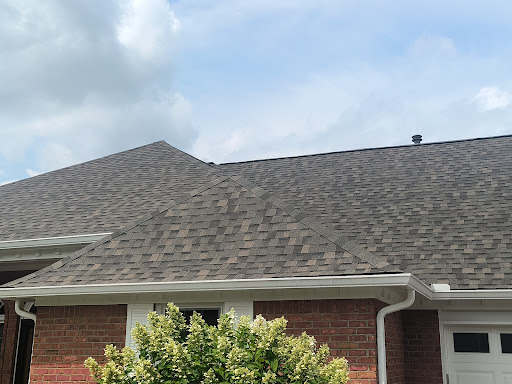
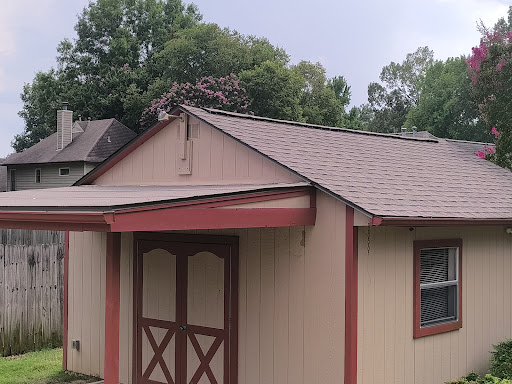
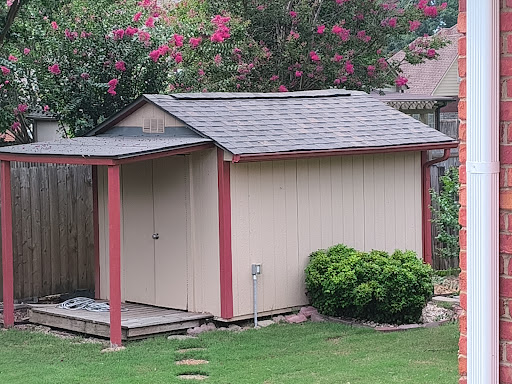
When only a section of your roof needs new shingles, matching the replacement shingles to what's already there matters for both function and appearance. We work to find shingles that align closely with your existing roof so the repaired area blends in rather than standing out as an obvious patch.
The rubber collars around plumbing vents and other roof gaps are some of the first parts to crack after hail impact, and a failed boot seal can let water in long after the storm has passed. Replacing the rubber seal, not just patching around it, is the right fix and one we include when boots show signs of hail-related damage.
Hail impacts can loosen gutter hangers and separate seams, which causes water to spill against your fascia boards and foundation instead of draining away from your home. Where gutter damage is tied to the same storm, we address those repairs as part of the overall roof repair scale rather than leaving them as a separate problem to deal with later.
Ridge caps sit at the peak of your roof and take a direct hit during hailstorms, which can crack, lift, or displace them entirely. Restoring a tight ridge line is a detail that directly affects how well your roof sheds water, and it is one we treat as a necessary part of any complete hail damage repair rather than an optional add-on.
Thunderstorm season across this part of Tennessee can put your roof through a lot in a short stretch of time, and the damage from even one hailstorm can quietly work against your home long after the skies clear. Addressing cracked shingles, compromised flashing, and failed pipe boot seals quickly keeps your repair scale manageable and protects the investment you have in your property. The longer those issues sit, the more likely they are to show up as leaks or interior damage that costs considerably more to fix.
Miller Roofing and Renovations is ready to help homeowners in the Oakland area work through hail damage from start to finish, with a complete roof-level inspection and repairs handled by an experienced local crew. If you have questions about what you saw after a recent storm or just want someone to take a look, reaching out is a straightforward first step.
Got questions about your roof? We’ve got answers. From maintenance tips to insurance claims and repair timelines, our FAQ section covers the most common concerns homeowners have. Get informed and make confident decisions about protecting your home.
Yes, and this is one of the more common situations Oakland homeowners run into after spring storms. Hail can crack pipe boot seals or lift flashing edges in ways that do not show up as a visible leak right away. It often takes a follow-up rainstorm, sometimes weeks later, for water to find its way through those compromised spots and into your home.
Size is one factor, but it is not the only thing that determines how much damage occurred. Smaller hail falling during a long, intense storm can strip granules from asphalt shingles just as effectively as a short burst of larger stones, and wind speed during the storm plays a role in how hard those impacts land. The angle and density of the strike pattern across your roof often tell us more about what needs repair than hail size alone.
Not necessarily. Damage varies from roof to roof based on the age of the shingles, the slope and orientation of each section, and even how much tree coverage a property has. Two homes on the same street can come through the same storm with very different repair needs. A roof-level inspection is the only reliable way to know whether your situation calls for targeted repairs or something more involved.
We will be happy to assist you
