

 FREE ESTIMATE
 (901) 457-9405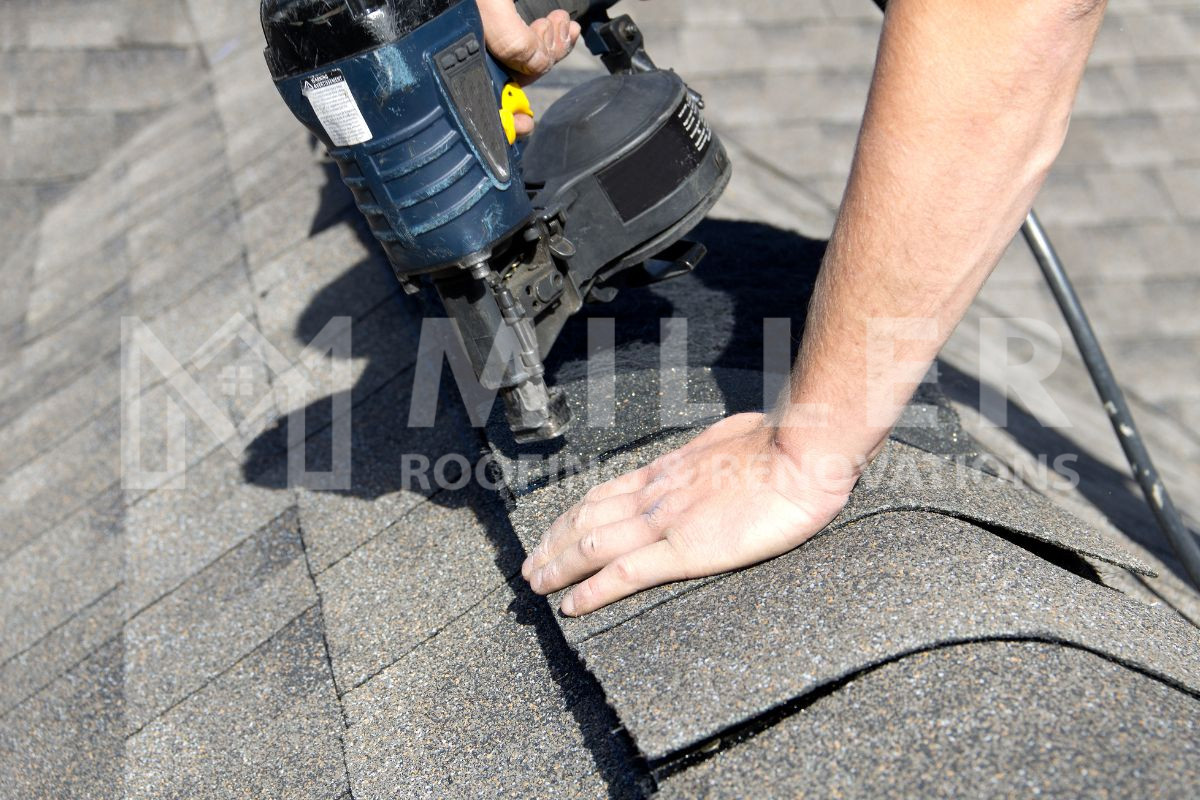










 View All Reviews

consult with an expert
(901) 457-9405

Millington sits in the heart of Shelby County, and the weather here puts roofs through a real workout year after year. Between spring rainfall that pushes close to 50 inches annually, summer heat that gradually breaks down asphalt shingles, and winter cold snaps that cause materials to contract and pull away from seals and flashing, your roof takes a beating from every direction. Most homeowners don't realize damage is building up until a heavy rain reveals a leak or a storm blows off shingles that were already holding on by a thread. By that point, what started as minor wear has often turned into a more involved repair.
That's exactly why addressing roof issues early matters so much in this market. The combination of older residential stock throughout Millington and seasonal weather patterns that shift quickly means small problems don't stay small for long. Damaged flashing around a chimney, a few missing shingles, or a compromised seal near a vent can allow water to work its way in silently before you ever notice a stain on the ceiling. Miller Roofing and Renovations works with Millington homeowners to catch those issues early, make accurate repairs to your home's roof, and protect your home from the kind of damage that gets expensive fast.
Knowing what to expect before anyone arrives helps reduce uncertainty during a roof repair. Below is how Miller Roofing and Renovations handles a residential roof repair from initial inspection through completion.
Understanding what typically goes wrong with residential roofs in this area helps you recognize warning signs before they turn into bigger problems. Millington homes face a specific set of repair needs driven by the local weather patterns and the age of much of the housing stock here.
| Repair Issue | Common Cause | Typical Urgency |
|---|---|---|
| Missing or damaged shingles | Storm winds, aging materials from summer heat exposure | Repair quickly to prevent leaks |
| Flashing failures around chimneys and vents | Temperature changes cause seals to pull away over time | High: direct path for water entry |
| Roof leaks after rainfall | Deteriorated seals, cracked shingles, or failed flashing | Address immediately |
| Sagging roof sections | Long-term water damage weakens the underlying structure | Urgent: indicates more serious damage |
Most of these issues don't appear overnight. They develop gradually through repeated exposure to spring rain, summer heat, and winter cold snaps that cause roofing materials to expand and contract season after season. The good news is that catching any of these problems early typically means a focused repair rather than a larger project. If you've noticed a ceiling stain, granules collecting in your gutters, or shingles that look lifted or curled, those are signs worth getting a professional inspection on your roof sooner rather than later.
When shingles are replaced, the new materials need to match your existing roof in profile, weight, and color as closely as possible. A repair that stands out visually or uses mismatched materials can affect both your home's appearance and how well the repaired section integrates with the rest of the roof over time.
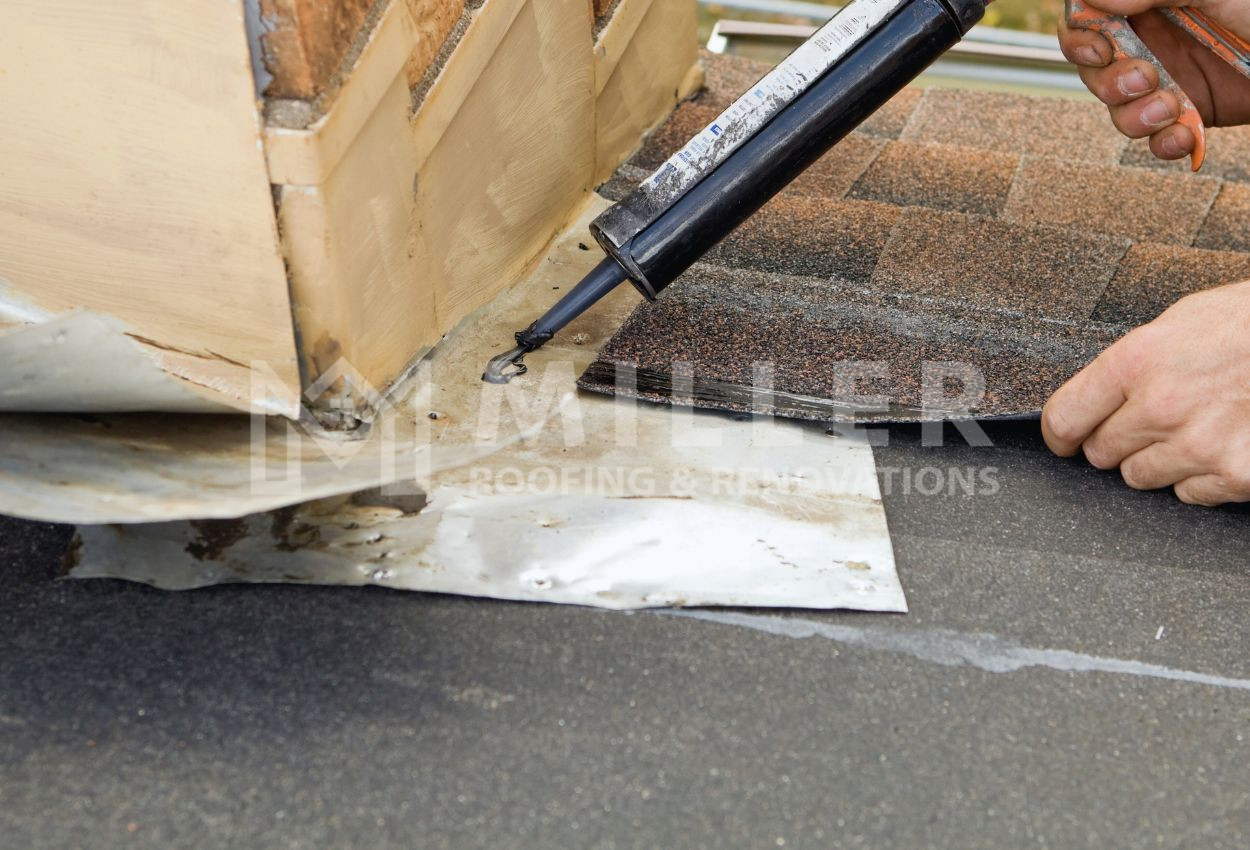
Flashing around chimneys, vents, and roof edges is one of the most common failure points on Millington homes, especially as temperature changes cause seals to pull and separate over the years. Repairing or replacing flashing and resealing those joints properly is one of the most effective ways to stop leaks from returning after a repair is complete.
Before new materials go on, the roof decking beneath the damaged area is checked for soft spots, rot, or deterioration caused by water that worked its way in before the repair. Addressing any deck damage at that stage protects the repair from failing prematurely and keeps your home structurally sound.
Debris buildup near the repair area can redirect water back toward your roof and undo a good repair faster than you'd expect, especially during Millington's heavy spring rainfall. Clearing gutters and drainage points around the work zone is a straightforward step that helps your repair hold up through the seasons ahead.
Millington's seasons don't give roofs much of a break. The wet springs, humid summers, and cold snaps that roll through Shelby County each year put steady pressure on shingles, seals, and flashing, and older homes across the area feel that wear more quickly than most homeowners expect. Taking care of a repair now means you're not dealing with a bigger, more expensive problem after the next round of heavy rainfall or a sharp temperature drop. A roof that's in good shape heading into any season gives you real confidence in your home and protects the investment you've made in it.
Miller Roofing and Renovations is ready to help homeowners in the Millington area get repairs handled correctly and without hassle. If you've noticed something that doesn't look right, or you just want a professional set of eyes on your roof before the next season arrives, reach out when you're ready. We're happy to take a look.
Got questions about your roof? We’ve got answers. From maintenance tips to insurance claims and repair timelines, our FAQ section covers the most common concerns homeowners have. Get informed and make confident decisions about protecting your home.
Spring is when hidden damage tends to reveal itself in this area. The volume of rainfall concentrated over a short stretch of weeks will find every weak point in a roof's surface, including small cracks and failing seals that looked fine all winter. Getting a repair done before or during that window, rather than waiting until water has already found its way through, typically means a simpler fix and less chance of dealing with damaged roof decking or interior water stains.
A few missing shingles or a small leak around a vent is usually a repair, not a replacement. The signs that point toward something more involved are sagging areas, widespread granule loss across large sections, or multiple leaks appearing in different spots at the same time. A professional inspection will give you a straight answer on where your roof actually stands, and a trustworthy contractor will tell you honestly if the scale is minor rather than push you toward more work than you need.
The back-and-forth temperature swings between Millington's warm seasons and winter cold snaps cause metal flashing to expand and contract repeatedly, which breaks down sealant bonds faster than many homeowners expect. If only the visible gap gets patched without addressing the underlying movement or replacing deteriorated flashing material, the same spot tends to open back up within a season or two. A proper flashing repair accounts for why the seal failed in the first place, not just what it looks like on the surface.
We will be happy to assist you
