

 FREE ESTIMATE
 (901) 457-9405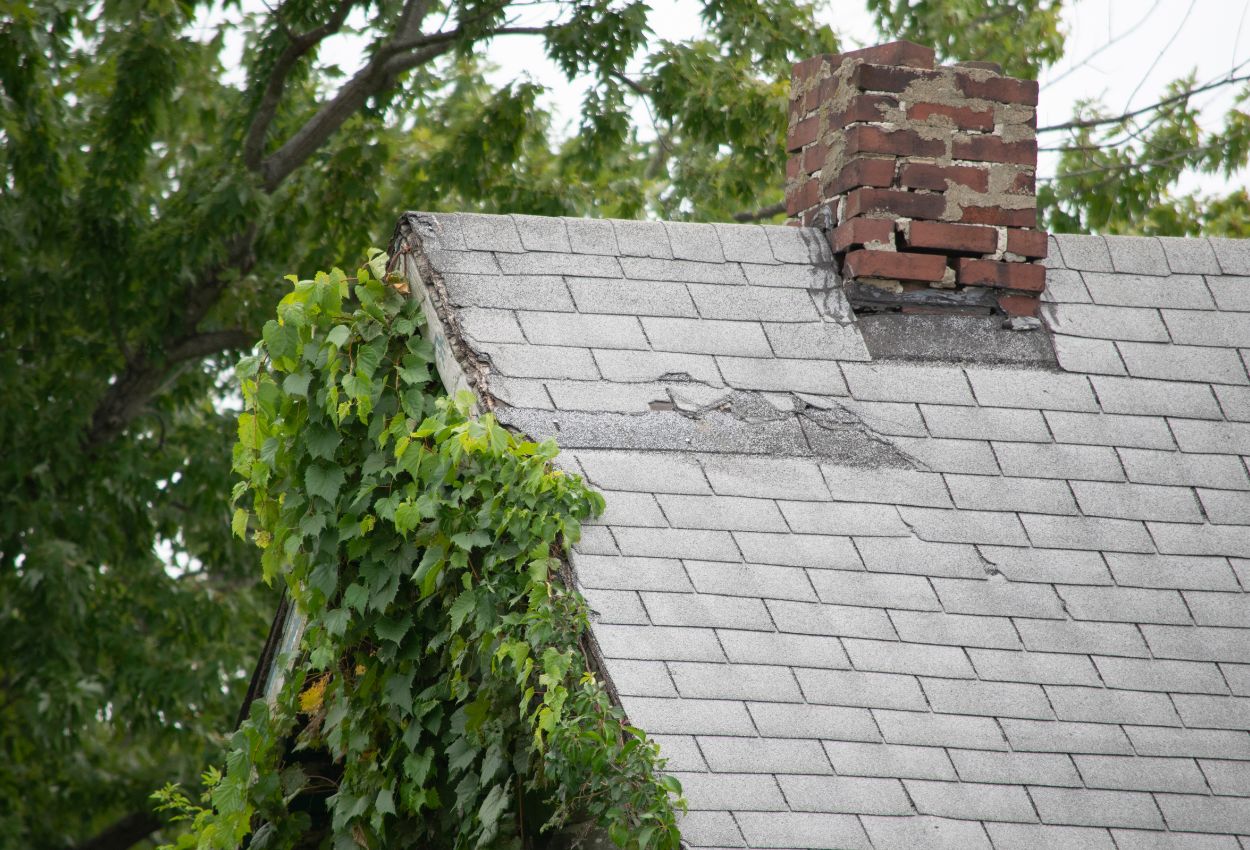







 View All Reviews

consult with an expert
(901) 457-9405

Millington sits in a weather pattern that is genuinely hard on roofs. Summers push temperatures into the 90s, winters dip into the 30s, and the area pulls in close to 50 inches of rain each year. That combination of heat, humidity from the nearby Mississippi River, and heavy seasonal rainfall puts real stress on shingles, flashing, and underlayment over time. Many homes in Millington were built between the 1960s and 1990s, which means a large portion of the local housing stock is working with aging asphalt shingle roofs that are already dealing with years of granule loss, moss growth in shaded spots, and flashing that has shifted from repeated temperature changes. Left unchecked, these issues quietly get worse until what started as a minor problem becomes a much more expensive repair.
A professional roof inspection gives you a clear picture of where your roof stands before small problems grow. Miller Roofing and Renovations works throughout Millington and understands the specific wear patterns common to homes in this area. Rather than a glance from the ground, a thorough inspection covers the shingles, flashing, ridge line, gutters, and underlayment condition, so you know exactly what your home needs.
Scheduling an inspection in late winter or early fall puts you ahead of the seasons that do the most damage, giving you time to act before the rain moves in or the heat builds back up.
Knowing what to expect before someone arrives at your home removes uncertainty. Here is how Miller Roofing and Renovations handles a residential roof inspection from start to finish.
A residential roof inspection covers more ground than most homeowners expect. Because Millington’s combination of humidity, high wind from nearby Memphis storms, and heavy seasonal rainfall puts stress on multiple parts of your roof at once, knowing exactly what gets examined helps you understand the full picture of your roof’s condition.
| Inspection Area | What We Look For | Why It Matters in Millington |
|---|---|---|
| Shingles and Surface | Granule loss, cracking, lifting, or missing tabs | Summer heat and humidity accelerate surface wear on aging asphalt shingle roofs |
| Underlayment | Signs of moisture damage or deterioration beneath the surface layer | High humidity can break down underlayment even when shingles appear intact |
| Flashing and Seals | Gaps, rust, or separation around edges | Repeated temperature changes through the seasons cause flashing to shift and pull away |
| Ridge Caps and Edges | Uplift damage, loose or displaced materials | Storm winds common to this region put the most pressure on ridges and perimeter edges |
| Gutters and Drainage | Blockages, granule buildup, and improper slope | With close to 50 inches of annual rainfall, poor drainage leads quickly to leaks and wood rot |
Homes built in the 1960s through the 1990s, which make up a large share of Millington’s housing stock, often show wear across several of these areas at once. Inspecting each one separately gives you an accurate read on your roof rather than a generalized guess.
Shaded areas on Millington roofs are particularly prone to moss and algae buildup because of the region’s high humidity and tree cover common in older neighborhoods. Your inspection includes a close look at these spots, since unchecked growth traps moisture against the shingles and speeds up deterioration faster than most homeowners realize.
Roof problems often show up inside before they are visible from the surface, so your inspection includes a check for signs of moisture, staining, or inadequate ventilation in the attic space. Poor ventilation is a known issue in homes from the 1960s through 1990s and can quietly drive up heat buildup in summer while contributing to condensation damage through cooler months.
Gaps like chimneys and skylights are common leak points on Millington homes because the sealants and step flashing around them take a beating from seasonal temperature changes year after year. Your inspection covers these areas specifically to catch separating mortar, cracked caulk, or flashing that has started to pull away before water finds a path inside.
If you are preparing to list your home or plan to pull a permit for upcoming roof work, your inspection results give you a documented starting point that reflects your roof’s actual condition. Many Millington homeowners with older ranch and two-story properties use this documentation to move forward with real estate transactions or permit applications with a clear, current record in hand.
Millington’s combination of humid summers, shifting seasons, and consistent annual rainfall means your roof is working harder than it might appear from the ground. For homeowners with older asphalt shingle roofs, that wear tends to build gradually across multiple areas at once, and catching it early keeps repair costs from growing into something far more disruptive. A professional inspection gives you an accurate picture of where things stand so you can make informed decisions about your home on your own terms.
Miller Roofing and Renovations is familiar with the roofing challenges specific to homes in the Millington, TN area and is ready to help you get a clear read on your roof’s condition. Whether you are staying ahead of the rainy season, preparing to list your home, or simply overdue for a closer look, reaching out is a simple first step with no pressure behind it.
Got questions about your roof? We’ve got answers. From maintenance tips to insurance claims and repair timelines, our FAQ section covers the most common concerns homeowners have. Get informed and make confident decisions about protecting your home.
It does, and it is one of the more overlooked factors for Millington homeowners. The elevated moisture in the air accelerates the breakdown of asphalt shingles and the underlayment beneath them, often making roofs in this area age faster than their expected lifespan would suggest. If your home is older and has not had a recent inspection, the condition underneath the surface layer may be further along than what is visible from the ground.
Ground-level appearances are one of the most common reasons homeowners delay getting an inspection, and it often leads to catching problems later than they should have been. Wind damage from storms that track through the Memphis area tends to show up first at the ridge caps and perimeter edges, spots that are difficult or impossible to read accurately without getting up on the roof. What looks intact from the driveway can have lifted tabs, shifted flashing, or compromised seals that will not be obvious until water is already working its way inside.
Late winter or early spring tends to be the most practical window because it puts you ahead of the heavy spring rains before your roof takes on another full season of moisture. Early fall is the second best option, giving you a chance to address anything that the summer heat may have cracked, lifted, or dried out before cooler weather settles in. Timing your inspection around these windows gives you the most actionable lead time to handle repairs without being rushed by an approaching storm season.
We will be happy to assist you
