

 FREE ESTIMATE
 (901) 457-9405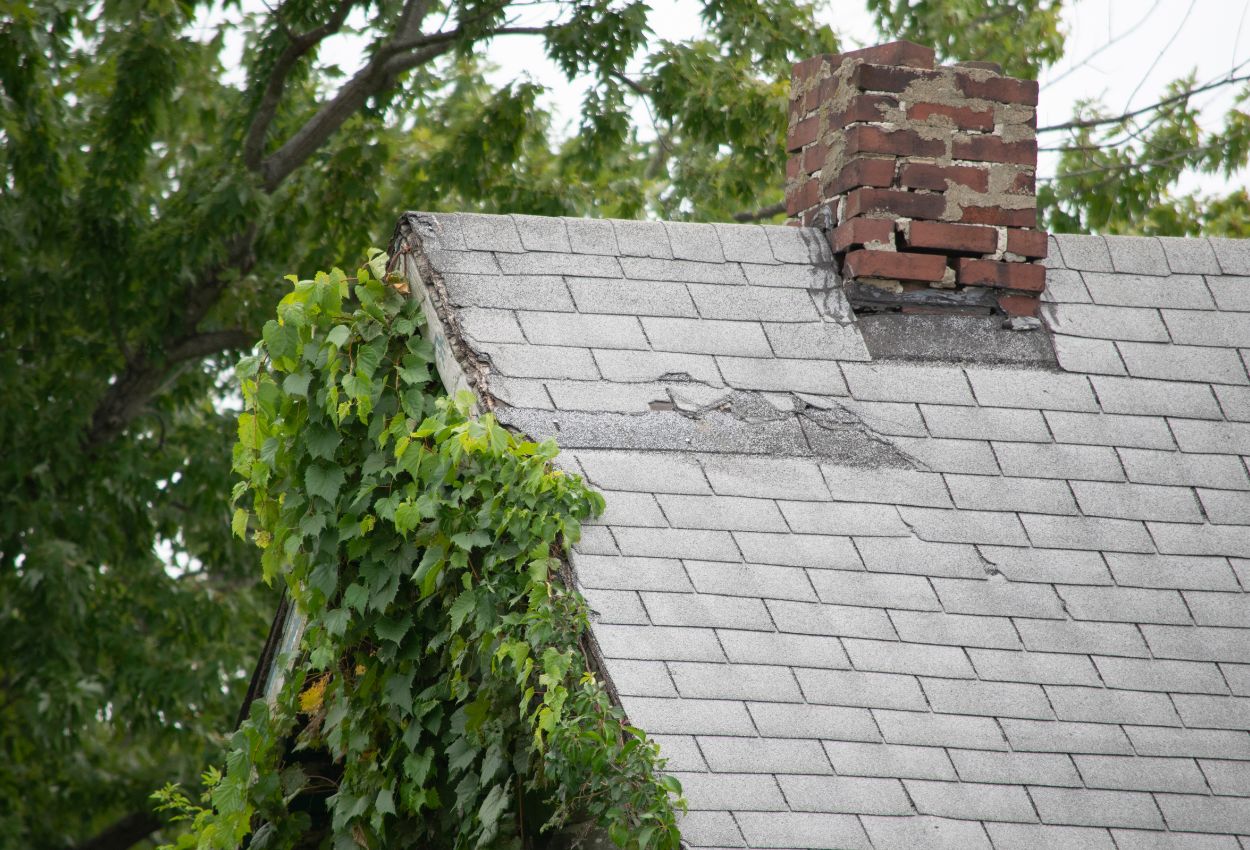




 View All Reviews

consult with an expert
(901) 457-9405

Lakeland sits in the heart of West Tennessee, where the weather puts roofs through a serious workout year after year. Summers bring heat and humidity that bake shingles and accelerate wear, while spring and fall deliver frequent thunderstorms and high winds capable of lifting edges, cracking seals, and forcing water into places it should never reach. The Memphis metro area sees around 50 inches of rainfall annually, spread across well over 100 days of precipitation. That kind of consistent moisture exposure shortens the lifespan of roofing materials and creates the perfect conditions for mold, rot, and leaks to develop quietly over time. When those problems go unnoticed, what starts as a minor issue can turn into a much larger repair that hits your budget hard.
A professional residential roof inspection is one of the most straightforward ways to stay ahead of that kind of damage. Miller Roofing and Renovations works with homeowners across Lakeland on properties ranging from older historic builds to newer suburban homes, each with its own roofing quirks and vulnerabilities. Our inspections are complete and thorough, looking at every part of your roof from the roof decking and flashing to the ridge line and gutters. We know what early wear looks like in this climate, and we know how to spot it before it turns into something that threatens your home and your investment in your property.
Knowing what to expect from start to finish makes the whole experience easier, so here is exactly how Miller Roofing and Renovations handles every residential roof inspection.
Lakeland’s older historic homes, 1960s resort-style builds, and newer suburban construction each present different challenges during a residential roof inspection. Understanding what gets examined and why helps you know exactly what you are getting when Miller Roofing and Renovations shows up at your door.
How often you need an inspection depends on your roofing material. Asphalt shingle roofs benefit from annual checks, while metal, tile, and slate roofs typically hold up well with inspections every 2 to 3 years.
Tennessee’s seasonal swings are hard on roofing materials, and the consistent rainfall this region sees means even small vulnerabilities can quietly grow into bigger problems. A routine residential roof inspection gives you a clear picture of where things stand before minor wear turns into water damage, rotted roof decking, or repairs that strain your budget. Scheduling an inspection before the heaviest weather seasons hit is one of the most practical steps you can take to protect your home and maintain its value over time.
Miller Roofing and Renovations helps homeowners across Lakeland, TN stay ahead of roofing problems with honest, complete inspections and straightforward answers. When you are ready to get a clear look at the condition of your roof, reach out to schedule your inspection.
Got questions about your roof? We’ve got answers. From maintenance tips to insurance claims and repair timelines, our FAQ section covers the most common concerns homeowners have. Get informed and make confident decisions about protecting your home.
Late winter or early spring tends to be the ideal window, right before storm season picks up and before summer humidity is in full force. Scheduling then gives you enough time to address anything found before the heaviest weather arrives. Fall is also a solid option if you want to confirm your roof is in good shape heading into winter.
Yes, and this is something homeowners often overlook. Staining on attic sheathing, daylight visible through small gaps, or soft spots in the roof decking can signal problems that have not yet shown up on the exterior surface. Catching these signs early during an inspection can prevent a repair from turning into a full deck replacement down the road.
Clay soils expand when wet and contract when dry, which causes gradual foundation movement that many homeowners never connect to their roof. Over the years, that subtle shifting can crack ridge tiles, loosen flashing, and create small gaps where water gets in. Properties with older construction or those near low-lying areas are especially worth inspecting regularly for this kind of wear.
We will be happy to assist you
