

 FREE ESTIMATE
 (901) 457-9405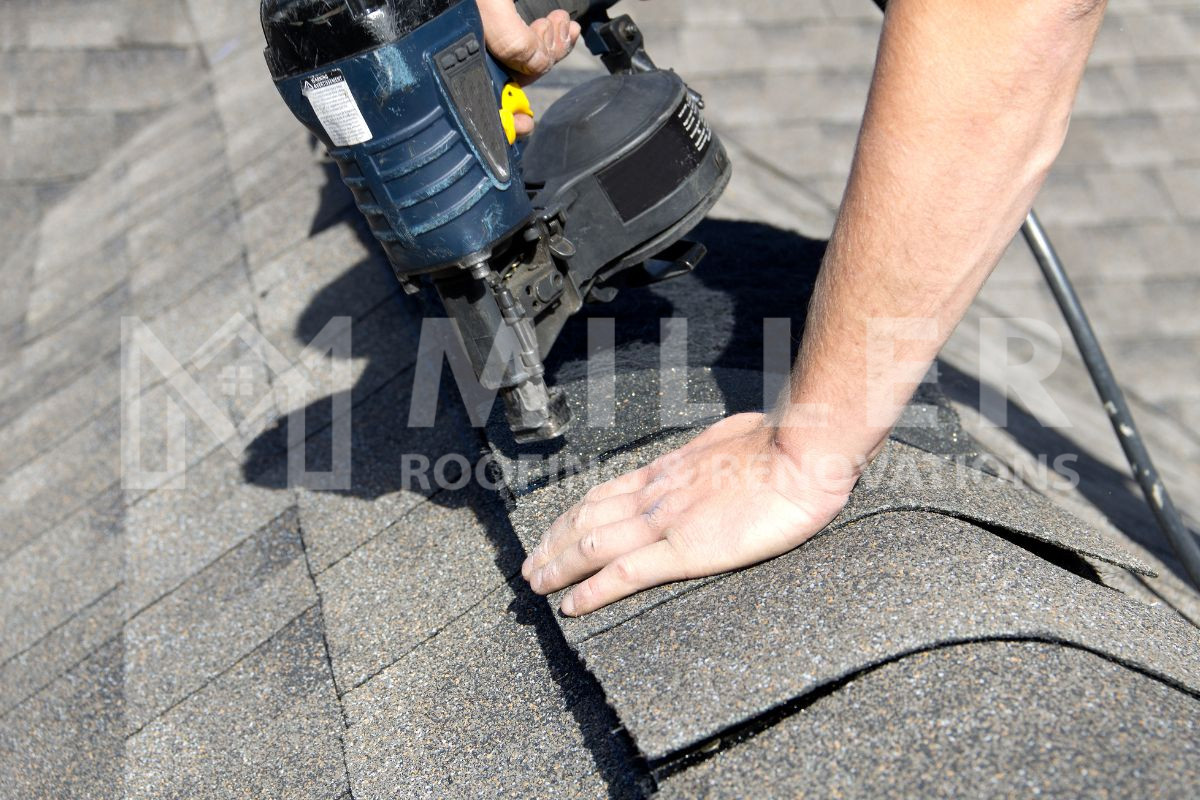










 View All Reviews

consult with an expert
(901) 457-9405

Germantown homeowners deal with a lot when it comes to keeping a roof in good shape. Spring storms roll through with heavy rain and strong winds, summer brings heat that bakes roofing materials for months, and winter occasionally drops temperatures low enough to stress aging shingles and flashings. With around 50 inches of rainfall spread across much of the year, water finds every weak point, and in a community known for larger, more established homes with complex roofing systems, those weak points can turn into expensive problems fast. Flashing failures, damaged shingles, and slow leaks are among the most common issues local homeowners face, and waiting on any of them rarely ends well.
Professional roof repair services are how you stay ahead of that kind of damage. A repair done right, by someone who understands the needs of Germantown's weather patterns and the specifics of the roofing structures common in this area, protects your home and your investment in your property. Miller Roofing and Renovations works with homeowners across Germantown to inspect roofing systems thoroughly, identify the full scale of what needs to be fixed, and complete repairs that hold up to what this region throws at them. Whether it is a handful of missing shingles or a flashing problem that has been quietly letting water in, the goal is always the same: get your roof back to doing its job before the next storm has a chance to make things worse.
Not having a clear picture of the process is often the most difficult part of scheduling home repairs. The outline below explains how Miller Roofing and Renovations handles residential roof repair from the initial call through final review.
Germantown's weather puts real pressure on residential roofs year-round, and the larger, more established homes in this area often have roofing systems where one problem can quietly affect multiple areas. Knowing which issues come up most often helps you recognize warning signs before they get out of hand.
| Common Repair Issue | Typical Cause | Why It Needs Quick Attention |
|---|---|---|
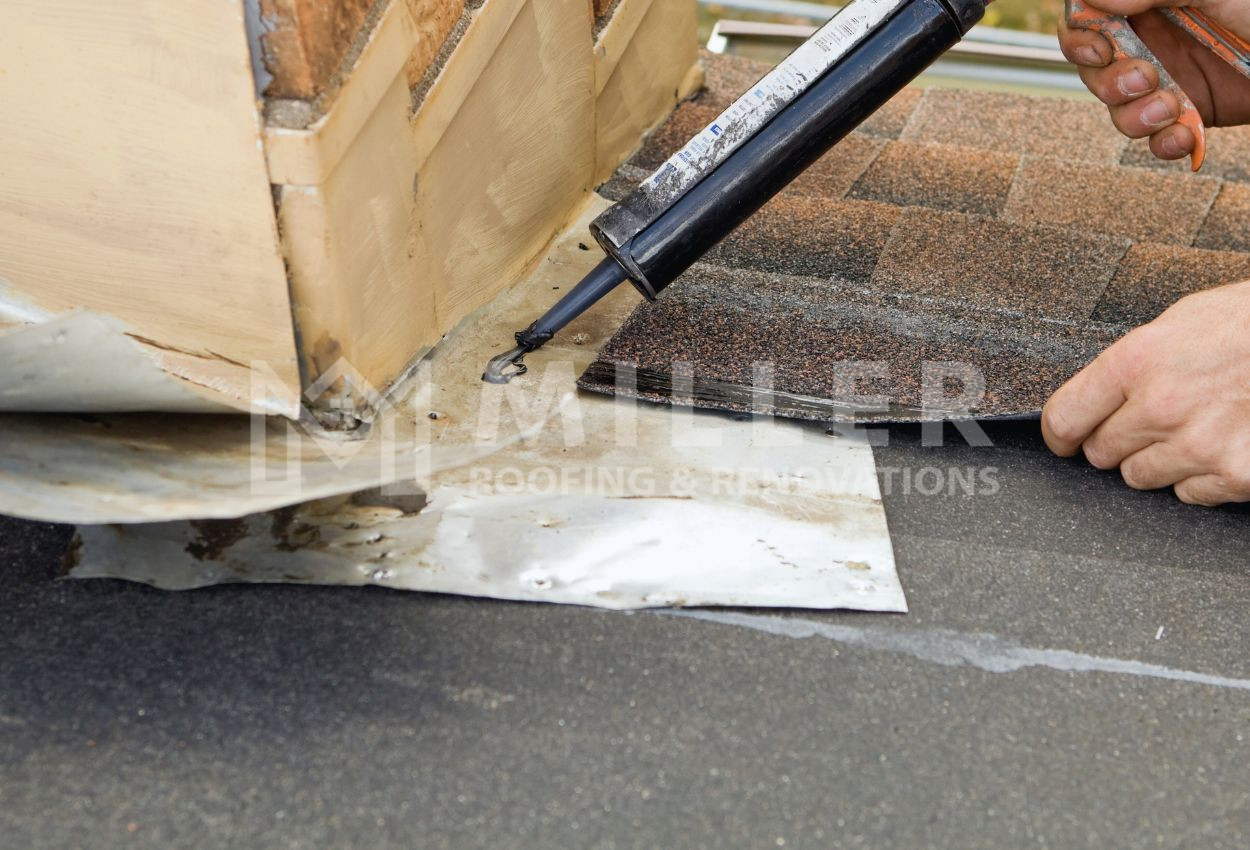
| Flashing damage | Temperature changes and age cause flashing to separate or corrode around chimneys, vents, and roof joints | Failed flashing is one of the leading entry points for leaks and can affect the interior structure over time |
| Missing or damaged shingles | High winds and spring storm activity lift or crack shingles, leaving the underlayment exposed | Exposed roof decking deteriorates quickly and leads to leaks that spread beyond the original damage |
| Roof leaks and water damage | Aging materials, failed seals, or storm impact allow water to leak into the roofing system | Water that reaches the roof decking or attic creates rot, mold risk, and structural repair needs |
| Flat or low-slope area deterioration | Standing water and heat exposure break down roofing membranes on sections common in complex roof designs | Ponding water accelerates wear, and leaks can develop gradually without visible exterior signs |
Many of these issues share something in common: they start small and become expensive when left alone. Scheduling a complete inspection at the first sign of trouble gives you the clearest picture of what your roof actually needs, and it puts you in control of the repair timeline rather than reacting to a larger problem later.
Chimneys, skylights, vents, and pipe boots all require properly sealed flashing to keep water out, and these spots take a beating from Germantown's temperature swings and frequent rainfall. Repairing or replacing flashing around these gaps is a standard part of residential roof repair and one of the most effective ways to stop leaks at their most common source.
When shingles are damaged or missing, the underlayment beneath them takes the hit, and if that layer is compromised, your roof decking is next. Addressing underlayment damage as part of the repair protects the structural integrity of your roof and keeps a manageable fix from turning into a much larger project.
Improper attic ventilation traps heat and moisture that quietly break down roofing materials from the inside out, shortening the life of an otherwise solid roof. While your roof is open for repair, checking that ventilation is working as it should is a practical step that protects the work being done and helps the repaired areas hold up longer.
Germantown and Shelby County have specific building requirements that affect which materials can be used and how repairs must be completed, and older, more complex homes sometimes require specialized matching to keep the repaired area consistent with the existing system. Using materials that meet local code and align with your current roof keeps the repair clean, functional, and up to standard.
Homes in Germantown tend to carry more roofing complexity than average, and that means small issues rarely stay small on their own. The same seasonal weather patterns that make this area so livable also put steady pressure on roofing materials year after year. Addressing repairs on your schedule, before conditions push a minor fix into major territory, is one of the most practical things you can do to protect your home and your investment in your property.
Miller Roofing and Renovations is ready to help you figure out exactly where your roof stands and what it needs. If you have noticed a leak, spotted damaged shingles, or just want a complete inspection before another round of spring weather arrives, reaching out to our Germantown team is a straightforward first step. There is no pressure and no obligation, just a clear look at what your roof needs from a team that knows this area well.
Got questions about your roof? We’ve got answers. From maintenance tips to insurance claims and repair timelines, our FAQ section covers the most common concerns homeowners have. Get informed and make confident decisions about protecting your home.
It can, yes. Homes in Germantown tend to have more architectural detail than average, which means more valleys, transitions, and gaps where problems can originate or spread. A repair that looks straightforward from the ground may involve additional flashing work or material matching once a thorough inspection is done. Getting a complete picture of the damage before work begins is the best way to avoid surprises.
Timing does matter. Spring is when storm damage peaks in this area, so scheduling a repair quickly after a storm prevents water from reaching your roof decking before the fix is in. Extreme summer heat can also affect how well sealing materials cure, so repairs completed in milder conditions tend to set more reliably. Staying ahead of the storm season rather than reacting to it gives the repair the best possible conditions to perform long-term.
Local code affects which materials are permitted and how certain repairs must be completed, and not every contractor who works in the broader Memphis area is familiar with Germantown's specific requirements. If a repair is done with non-compliant materials or methods, it can create problems when you sell your home or if a follow-up inspection is ever required. Working with a contractor who understands the local regulatory landscape protects you from having to redo work down the road.
We will be happy to assist you
