

 FREE ESTIMATE
 (901) 457-9405








 View All Reviews

consult with an expert
(901) 457-9405

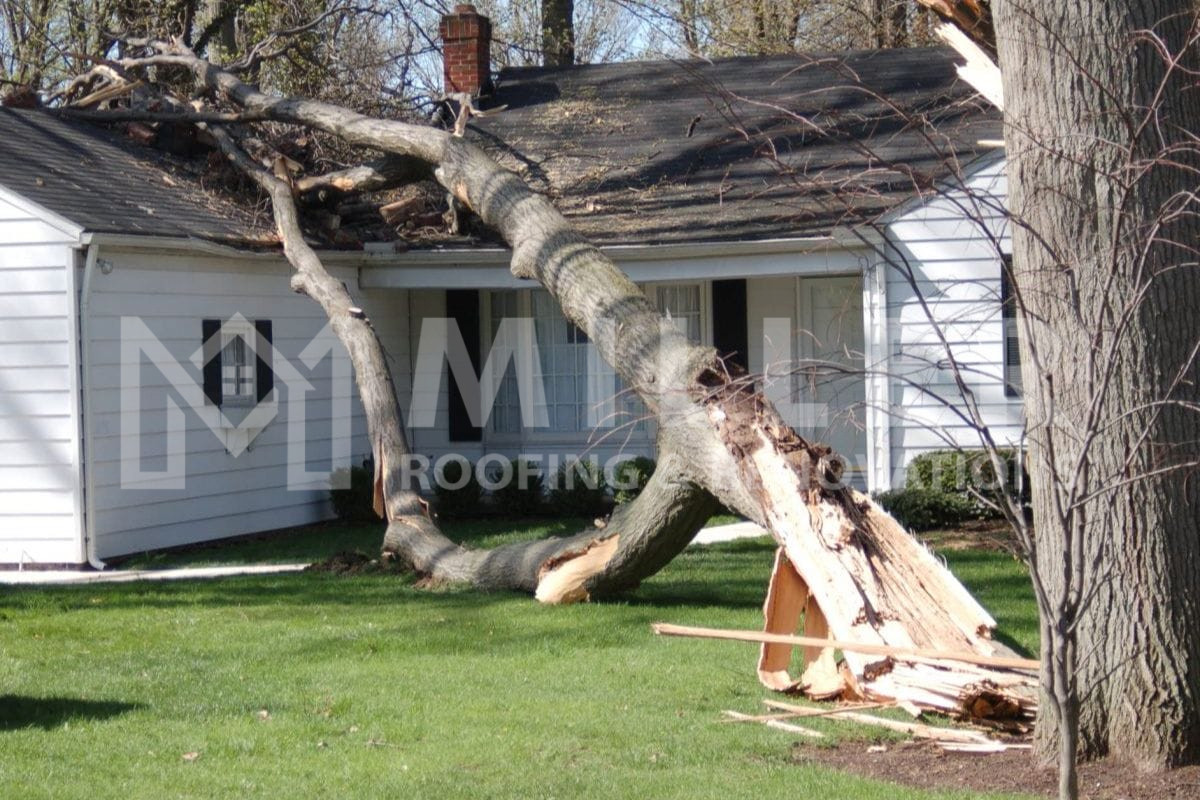
Eads sits in a part of West Tennessee where severe weather is not an occasional inconvenience but a regular reality. The flat terrain near the Mississippi River gives storms an open runway, and when spring thunderstorms roll through, they often bring the kind of straight-line winds, hail, and tornadic activity that can strip shingles, bend flashing, and leave entire roof sections compromised in minutes. Older wood-frame homes with asphalt shingle roofs are especially vulnerable, and many properties in this area were built before modern wind-resistance standards became common practice. When storm damage goes unaddressed, even a small opening in the surface of the roof can let water reach the roof decking, insulation, and ceiling below, turning a minor repair into something far more involved.
That is where Miller Roofing and Renovations comes in. We work with homeowners throughout Eads and the surrounding area to repair storm damage quickly and correctly, from replacing missing or lifted shingles to resealing torn flashing around chimneys and vents. We know what a storm-hit roof looks like here, and we know the difference between fresh impact damage and gradual wear. That distinction matters when you are trying to protect your home and make informed decisions about what your roof actually needs. Getting the right repair done right away keeps your home dry and prevents the kind of secondary damage that becomes far more expensive to fix down the road.
Storm damage can leave your roof vulnerable quickly, making it important to understand what needs attention and how repairs move forward. Miller Roofing and Renovations evaluates the damage, explains the recommended solution, and restores affected areas with a clear process.
After a severe storm passes through, knowing what to look for on your roof can make a real difference in how quickly you get the right help. Some damage is obvious, but a lot of what storms leave behind hides in places you wouldn't think to check right away.
| Damage Type | Where to Look | Why It Matters |
|---|---|---|
| Missing or lifted shingles | Roof surface: visible from ground level | Exposes roof decking directly to rain and debris |
| Hail bruising or soft spots | Asphalt shingle surface | Accelerates granule loss and shortens shingle life |
| Torn or separated flashing | Around chimneys, vents, and roof edges | Creates openings where leaks develop quickly |
| Granule buildup in gutters | Gutters and downspout runoff areas | Signals shingle deterioration after impact |
| Wet spots or light gaps in the attic | Attic plywood and insulation | Confirms active leaks that aren't visible outside |
A pair of binoculars is a safe and effective way to get a closer look at your roof surface without climbing up. If you spot any of these signs after a storm, a professional inspection is the right next step. Catching damage early keeps repairs manageable and protects the structural integrity of your home before another round of severe weather arrives.
When a storm leaves your roof open to the elements, waiting on permanent repairs is not always an option. Temporary tarping covers breached areas to stop water from reaching your roof decking, insulation, and interior until materials are sourced and the full repair can be completed safely.
Flashing is one of the most vulnerable parts of your roof during high winds, and a torn or lifted seal around a chimney or vent can let water in faster than a missing shingle. We reseal or replace damaged flashing as part of the repair to close those entry points completely.
If your current shingles took the brunt of a hailstorm, replacing them with higher wind-rated or Class 4 impact-resistant options gives your home a better chance of coming through the next storm with less damage. Eads gets hit with hail and straight-line winds regularly, so the material you put back matters.
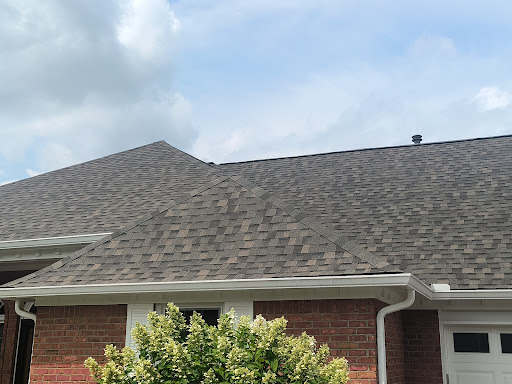
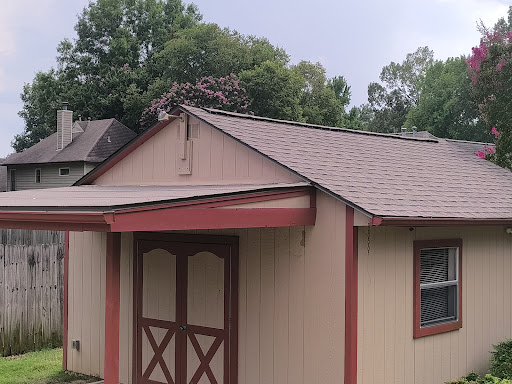
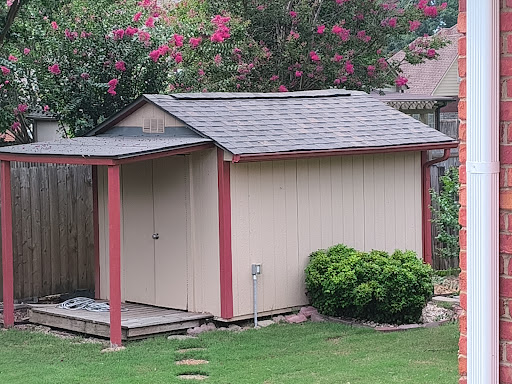
A repair that stands out visually is a sign that corners were cut on material selection. We work to match your existing shingle style, color, and profile so the repaired section blends with the rest of your roof and your home looks the way it should when the work is done.
Storms in this part of West Tennessee can move fast and hit hard, and the damage they leave behind doesn't wait for a convenient time to become a problem. Getting repairs handled quickly after a storm protects your home from the secondary damage that follows when water finds its way past a compromised roof surface. Whether the storm knocked off a handful of shingles or tore flashing loose around a chimney, addressing it now keeps a manageable repair from growing into something far more expensive before the next round of severe weather arrives.
Miller Roofing and Renovations is here to help Eads homeowners get their roofs back in shape with repairs done right the first time. If your roof took a hit recently, reaching out is the natural first step. We'll take a look, tell you honestly what your roof needs, and handle the work so you can move forward with confidence in your home.
Got questions about your roof? We’ve got answers. From maintenance tips to insurance claims and repair timelines, our FAQ section covers the most common concerns homeowners have. Get informed and make confident decisions about protecting your home.
Some of the most significant storm damage never shows up at ground level. Hail can knock granules loose across a wide section of your roof without visibly cracking a single shingle, and that granule loss quietly shortens the life of your shingles by years. Checking your attic after a major storm is one of the best things you can do: look for any light filtering through the roof decking or new damp spots on the insulation, both of which point to openings that aren't obvious from the yard.
This is actually very common in Eads and the surrounding area. The flat terrain near the Mississippi River allows storm wind fields to shift direction quickly, and tornado or severe thunderstorm paths can cause heavy damage to one property while leaving a house two doors down completely untouched. Debris carried by wind also plays a role, since a branch or piece of material can strike one roof at just the right angle and miss another entirely. If your street took a hit, it's worth having your roof looked at even if damage isn't obvious, because the storm's path does not always follow a straight or predictable line.
After any major storm, out-of-town crews often show up quickly in affected neighborhoods offering fast, low-cost repairs. These contractors typically move on once they've collected payment, leaving homeowners with subpar work and no one to call if a problem surfaces later. Sticking with an established local contractor who has a verifiable presence in the Eads area gives you someone accountable to contact if anything needs to be addressed after the job is done.
We will be happy to assist you
