

 FREE ESTIMATE
 (901) 457-9405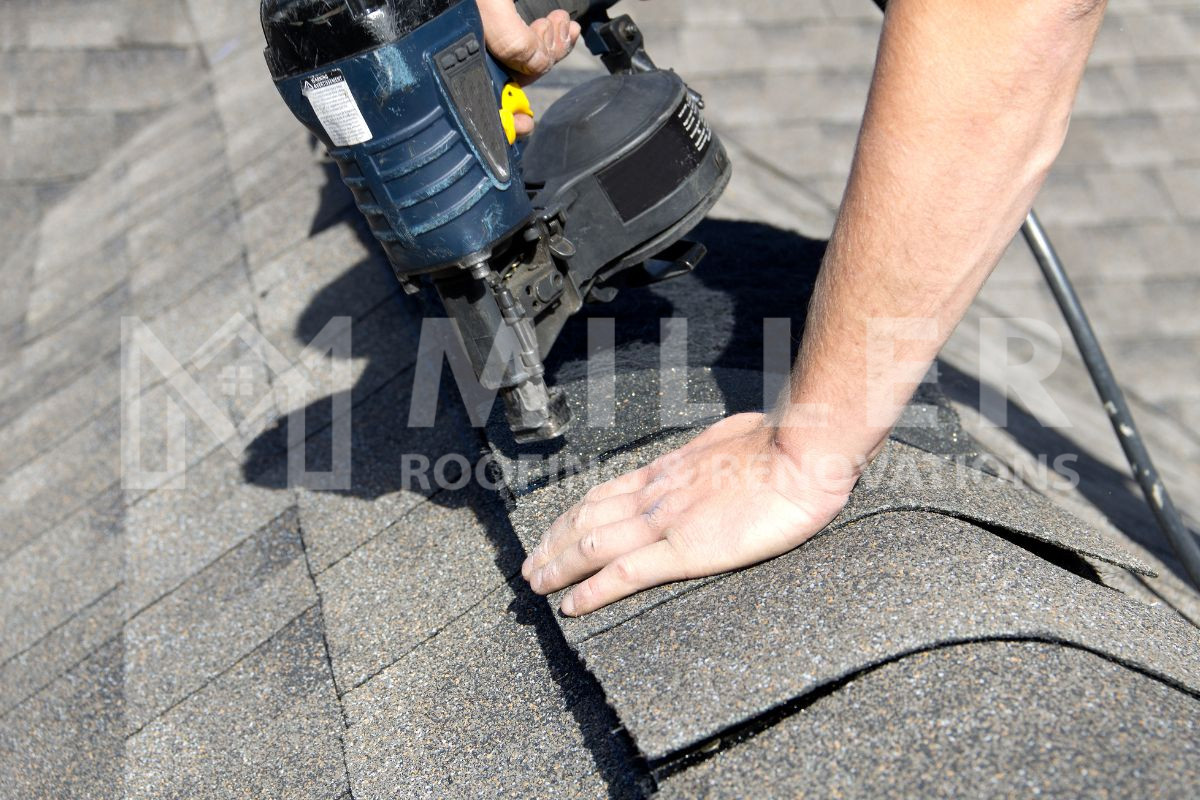










 View All Reviews

consult with an expert
(901) 457-9405

Living in Eads means your roof takes a beating year-round. Summers bring intense heat that causes shingles to expand and contract day after day, slowly making materials brittle and breaking down the protective granules that keep water out. When fall and winter arrive, temperatures can swing dramatically within hours, and those rapid changes put real stress on flashing seals around chimneys and pipe boots. Add in the heavy rainfall, hail, and occasional tornadoes that sweep through West Tennessee each spring, and it becomes clear why roofs here wear out faster than in more temperate parts of the country. A small problem ignored after a storm or a rough winter can quietly grow into something much more expensive to fix.
That is where Miller Roofing and Renovations comes in. As a local contractor serving the Eads area, we understand the specific weather patterns your roof faces and what it takes to keep your home protected through all of it. Whether you are dealing with missing shingles, a slow leak, damaged flashing, or wear that has built up over years of tough seasons, professional roof repair done right makes a real difference for your home and your family. Getting a qualified set of eyes on your roof after a storm or at the first sign of a water stain inside your home can save you from facing a far bigger repair bill down the road.
Roof repairs are easier to navigate when you know what happens at each stage of the process. Miller Roofing and Renovations begins by identifying the source of the problem, then repairs only what your roof actually needs.
Eads homeowners deal with a wide range of roof problems, and knowing what you are looking at helps you act before a small issue becomes a bigger expense. The weather here is hard on roofs of every type, from standard asphalt shingles to architectural styles and metal roofing systems, and certain problems show up again and again across the area.
| Common Issue | Likely Cause | What to Watch For |
|---|---|---|
| Missing or cracked shingles | Wind uplift, hail, or brittle aging materials | Visible gaps, exposed roof decking, granules in gutters |
| Flashing failures | Rapid temperature changes at chimneys and pipe boots | Water stains on ceilings, rusted or lifted metal edges |
| Cracked or broken tiles | Storm impact, foot traffic, or long-term weather exposure | Cracked surfaces, missing pieces, leaks below affected areas |
| Metal roof damage | Hail dents, fastener issues, or sealant breakdown | Visible dents, rust spots, water around vents or seams |
| Exposed or backing-out nails | Thermal expansion and contraction over time | Raised nail heads, small punctures, localized leaks |
Catching these problems early keeps repair work straightforward. Once water gets into your roof decking or attic insulation, the scale of work grows quickly. A twice-a-year inspection, plus a check after any significant storm, goes a long way toward keeping your roof solid and your home protected.
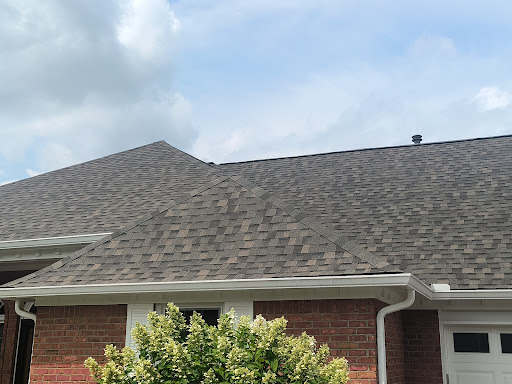
When we replace damaged shingles, we work to match the existing material as closely as possible in style, weight, and color. Aged shingles can vary from new stock even within the same product line, so we set clear expectations upfront and source materials that blend as well as possible with what is already on your home.
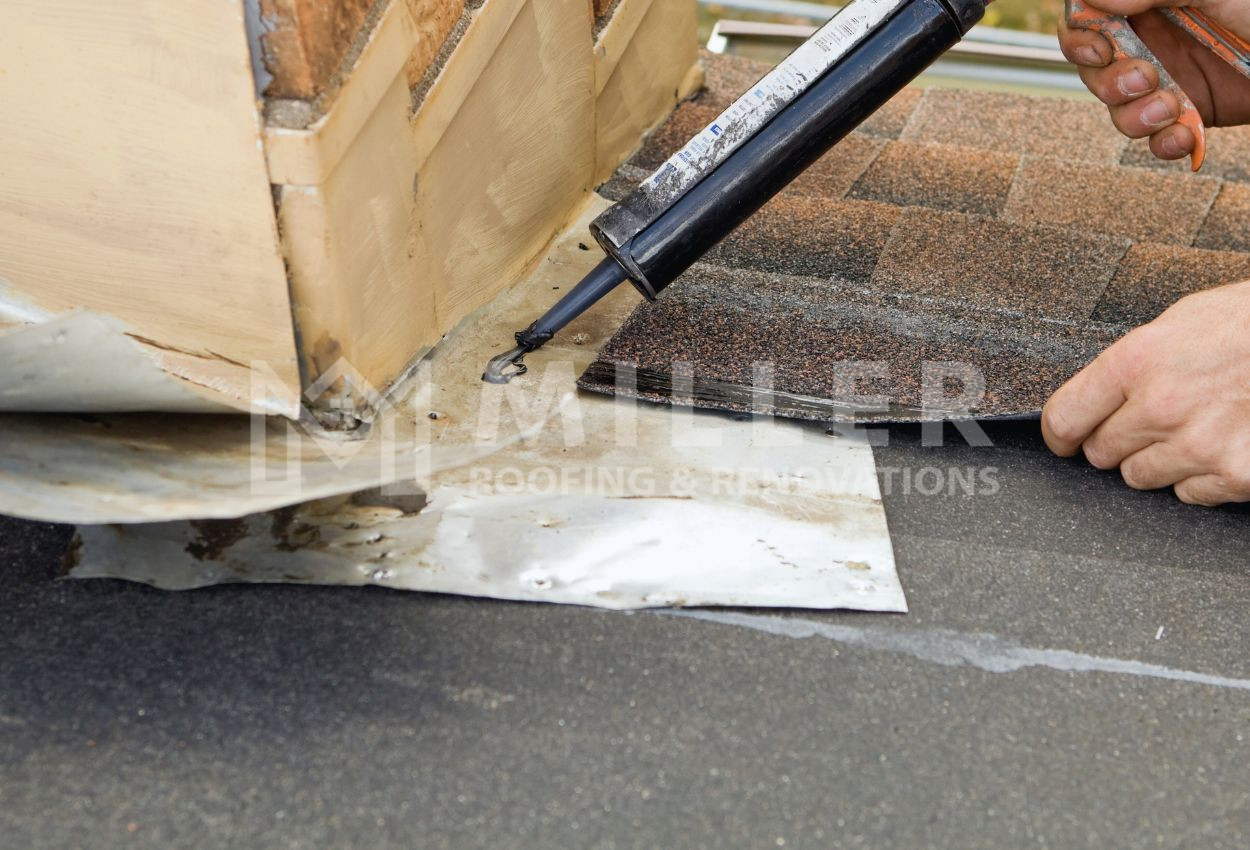
The seals around chimneys, pipe boots, and step flashing along walls are among the most common failure points on Eads roofs, especially after the rapid temperature swings West Tennessee sees in winter. We reseal or replace these parts as part of the repair rather than leaving vulnerable spots behind once the main work is done.
Nails that have worked loose or pushed through shingle surfaces over years of thermal expansion are a quiet source of leaks that often go unnoticed until water damage shows up inside your home. We identify and address these during repair so they do not continue to let moisture work into your roof decking.
For small gaps, loose seams, and localized flashing, we apply high-grade, UV-resistant roofing sealants beneath and around vulnerable components to create a watertight seal that holds up against the heavy rain and wind that move through West Tennessee. This step protects spots that might otherwise fail again after the first significant storm.
Your roof handles a lot living in West Tennessee. The heat builds up through summer, temperatures swing hard in winter, and heavy rain moves through fast enough to find any weak spot in your roofing system. A roof that has been properly repaired holds up through all of it, keeps your home dry, and protects the investment you have made in your property. Staying ahead of small problems is almost always simpler and less expensive than waiting until the damage has had time to spread.
If you have noticed a water stain, a shingle that looks out of place, or something that just does not look right after a recent storm, it’s worth having a qualified roofer take a look. Miller Roofing and Renovations is here to help homeowners in Eads get honest answers and solid repairs. Reach out whenever you are ready, and we will take it from there.
Got questions about your roof? We’ve got answers. From maintenance tips to insurance claims and repair timelines, our FAQ section covers the most common concerns homeowners have. Get informed and make confident decisions about protecting your home.
Hail damage is not always obvious from the ground, but there are things you can check without getting on the roof. Look at your gutters, downspouts, and any metal vents for dents or dings. If soft metals took hits, your shingles likely did too, and granule loss from hail bruising shows up fast in your gutters after rain. When in doubt, having a roofer take a look after any storm with significant hail activity is the right call, especially during West Tennessee's active spring storm season.
It does, more than most homeowners realize. Poor attic ventilation traps heat in summer, which accelerates shingle aging from below while the sun works on them from above. In winter, that same trapped heat and moisture leads to internal attic condensation, which can soak your insulation, rot roof decking from the inside out, and foster mold growth long before you ever spot a leak inside. Keeping your attic properly ventilated reduces the wear your roofing materials take from both sides of the seasonal cycle here.
Exposed and backing-out nails are a more common source of leaks than most people expect, and they are easy to overlook during a basic visual check. Each raised nail head is a small opening where water can enter your roof decking, and over time the surrounding shingle material breaks down around that spot as well. Because Eads sees heavy rainfall that hits fast and hard, even a small opening like that can let in enough moisture to stain ceilings or soften roof decking before the damage becomes visible inside your home.
We will be happy to assist you
