

 FREE ESTIMATE
 (901) 457-9405







 View All Reviews

consult with an expert
(901) 457-9405

Spring and early summer in Eads bring the kind of storms that don't just rattle windows; they leave marks on your roof that aren't always obvious from the ground. Middle Tennessee sits in a weather pattern that produces severe thunderstorms with real regularity, and May tends to be the most active month for large hail in this region. Hailstones can range from small pellets to stones the size of a golf ball or larger, and even a single storm can strip protective granules from your shingles, crack the underlying mat, and set the stage for leaks. With the area's humidity, that kind of damage doesn't stay minor for long.
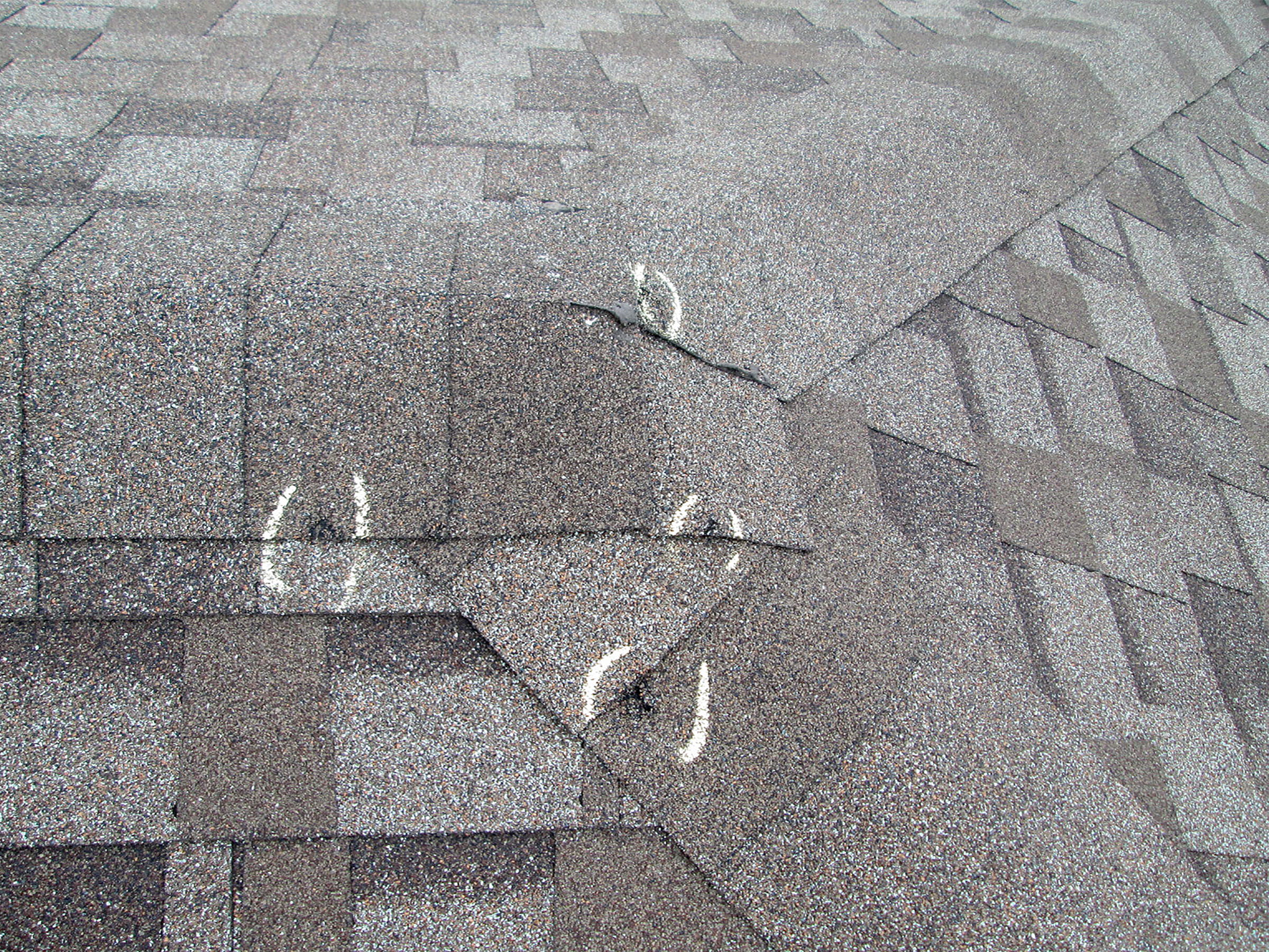
What makes hail damage tricky is that the most serious problems are often hidden. A shingle that looks intact from the street may have a bruised surface or a hairline crack that lets moisture in with every passing rainstorm. Left unaddressed, that hidden damage works its way deeper into your roof decking, and what started as a localized repair turns into a much larger project. The temperature changes that come with Tennessee's hot summers and cold winters only push already weakened shingles closer to failure.
Miller Roofing and Renovations works with homeowners across Eads to inspect storm damage and determine the right course of action, whether that means targeted repairs or a full replacement. Getting a professional set of eyes on your roof quickly after a storm is the most reliable way to protect your home and your investment in your property.
If you've never dealt with hail damage before, the process can feel unclear. Here's exactly what to expect when you work with Miller Roofing and Renovations.
Hail damage rarely announces itself with a leak right away. In Eads, where humidity is a constant factor, a compromised shingle surface can deteriorate quickly, so knowing what to look for before water shows up inside your home gives you a real advantage.
| Damage Indicator | Where to Look | What It Signals |
|---|---|---|
| Granules collecting in gutters | Gutters and downspout outlets | Protective surface layer breaking down |
| Round dents or dark spots | Shingle surface | Direct hail impact bruises the mat |
| Dented metal surfaces | Gutters, downspouts, AC unit | Hailis large enough to damage roofing |
| Soft or spongy feel underfoot | Surface of the roof deck | The underlying mat may be cracked or weakened |
| Missing or curling shingle edges | Roof field and edges | The shingle’s structural integrity compromised by impact |
One thing worth knowing: dents on your gutters, downspouts, or AC unit are not just cosmetic issues. They serve as reliable indicators that hailstones were large enough to cause real damage above. Because temperature changes through Tennessee's summers and winters put added stress on already weakened shingles, getting a professional inspection shortly after any storm is the most effective way to catch problems before they grow into something far more expensive to fix.
When hail bruises asphalt shingles, the damage goes deeper than the surface. We replace cracked, split, or granule-stripped shingles with materials matched to your existing roof, restoring the protective layer that keeps moisture from reaching your roof decking and framing.
Hail impacts around chimneys, vents, and roof edges can loosen or crack the flashing and sealants that keep those joints watertight. We address these vulnerable spots as part of the repair so you're not left with hidden entry points that develop into leaks after the next heavy rain.
If sections of your roof are being replaced, we can install Class4-ratedd shingles in those areas, a practical upgrade for Eads homeowners given the region's active spring storm seasons. These materials are designed to hold up better against future hailstorms and reduce the risk of repeating this same repair down the road.
Not every hailstorm calls for a full roof replacement, but some do, and getting that call wrong in either direction costs you money. We factor in the density of impacts across your roof, the age of your shingles relative to their expected lifespan, and the condition of the underlying mat to give you a clear, honest recommendation for your specific situation.
Tennessee's storm seasons are unpredictable, and the stretch between late spring and early summer brings the highest risk of hail large enough to do real damage. Humidity here works against you once shingles are compromised, speeding up the kind of deterioration that turns a small repair into a much bigger one. Addressing hail damage quickly is the most practical way to protect your home, hold onto your property's value, and avoid the expense that comes with putting repairs off too long.
Miller Roofing and Renovations is ready to get on your roof, give you a straight answer about what's there, and take care of it correctly. If you've had a storm come through recently and you're not sure what condition your roof is in, reaching out for an inspection is a simple next step with no obligation attached. We're here when you're ready.
Got questions about your roof? We’ve got answers. From maintenance tips to insurance claims and repair timelines, our FAQ section covers the most common concerns homeowners have. Get informed and make confident decisions about protecting your home.
The answer depends on two things working together: how concentrated the impacts are across your roof and how much life your shingles have left. A newer roof with isolated damage in a few areas is usually a good candidate for targeted repairs, but an older roof that absorbed a heavy storm may be close enough to the end of its lifespan that replacement is the more practical call. Getting those two factors looked at together is the only way to make that decision accurately.
It does, and this is something most homeowners don't think about until they're already dealing with a leak. Once hail strips granules or cracks a shingle's surface, the underlying mat is exposed to Eads's consistently high humidity levels, which accelerate breakdown far faster than it would in a drier climate. What might take weeks to become a problem elsewhere can show up here in days. That's a big part of why getting a roof inspection right after a storm matters more in this region than in many other parts of the country.
For limited repairs, such as replacing a section of shingles or fixing flashing, you typically fall below the permit threshold in most local jurisdictions. A full roof replacement is a different story and generally does require a building permit through the local building department. The scale of work determines whether a permit applies, so it's worth confirming with your contractor before any significant work gets started.
We will be happy to assist you
