

 FREE ESTIMATE
 (901) 457-9405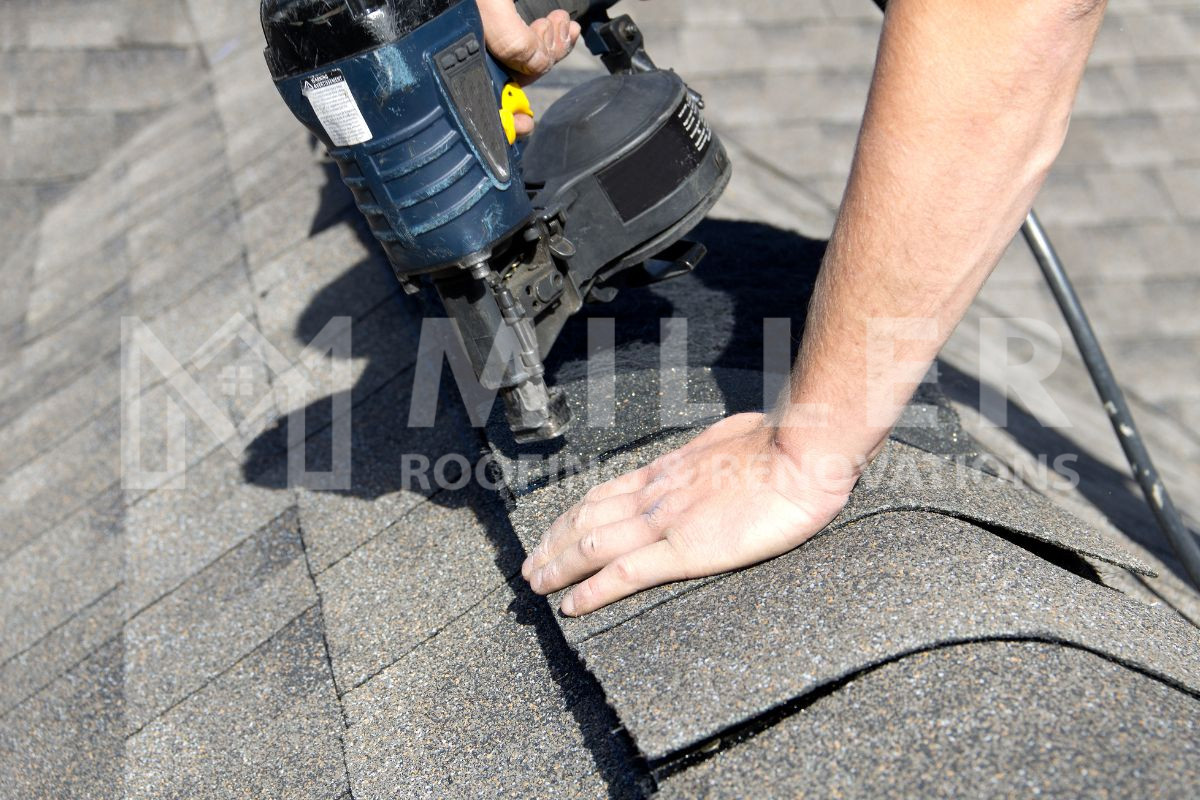










 View All Reviews

consult with an expert
(901) 457-9405

Collierville sits in a stretch of West Tennessee where the weather keeps your roof working hard year-round. Summers push temperatures well into the 90s, spring arrives with heavy rainfall and storms that can strip shingles or crack flashing overnight, and winter cold snaps put stress on materials that have already taken a beating through the warmer seasons. Factor in the humidity that lingers through much of the year, and you have conditions that quietly accelerate wear on even a well-installed roof. Algae growth, deteriorating shingles, and failing flashing around chimneys and vents are common results. Left unaddressed, what starts as a minor issue can work its way into your attic, your walls, and your home's structure before you notice anything wrong.
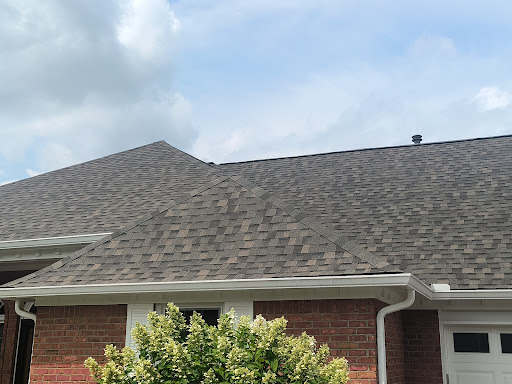
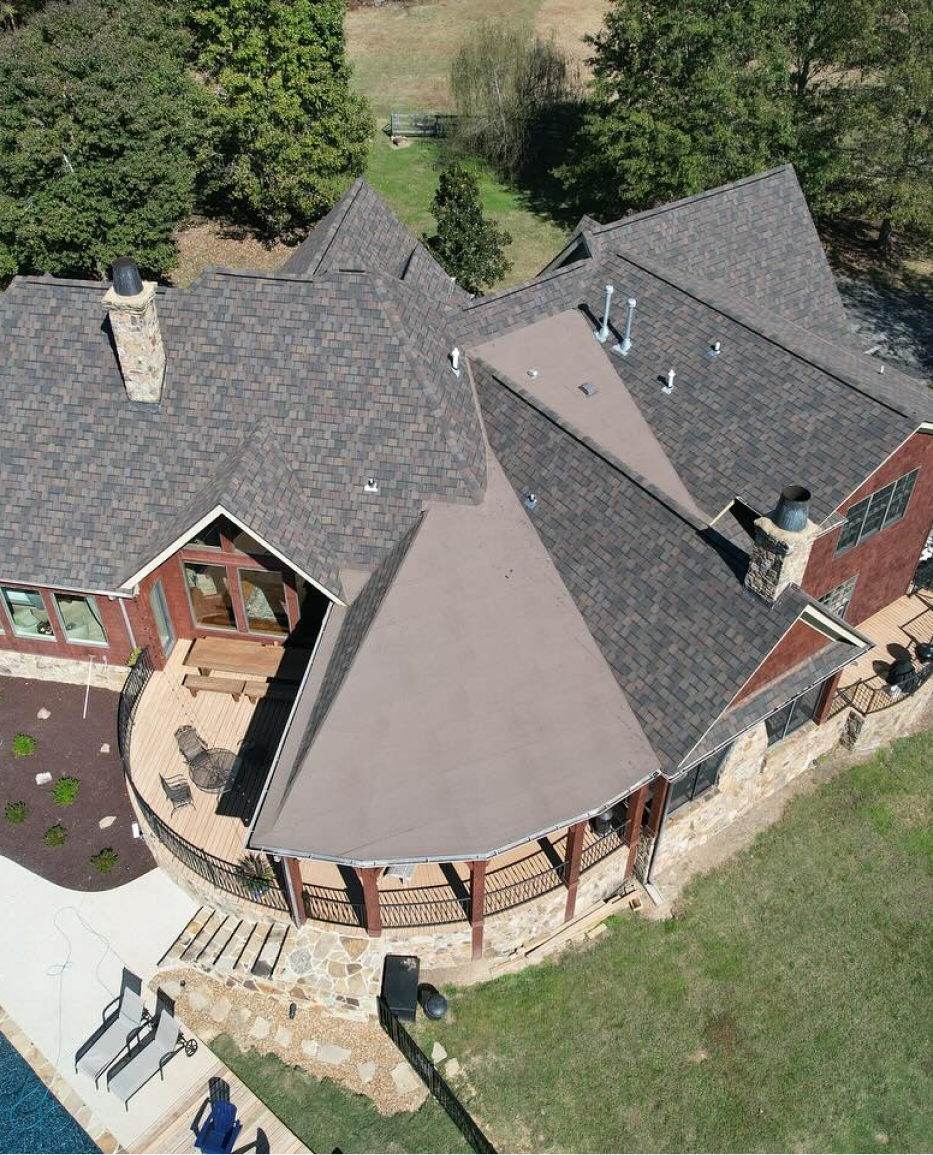
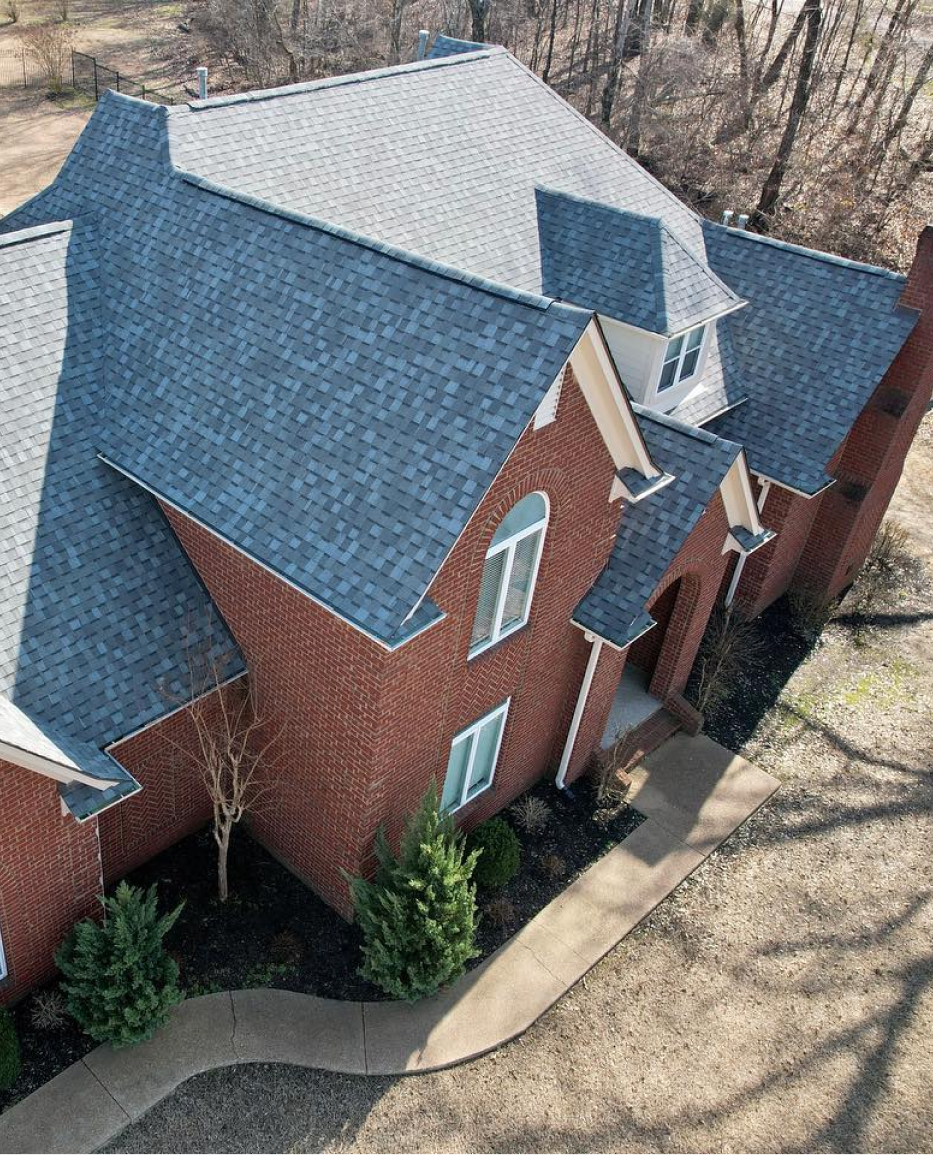
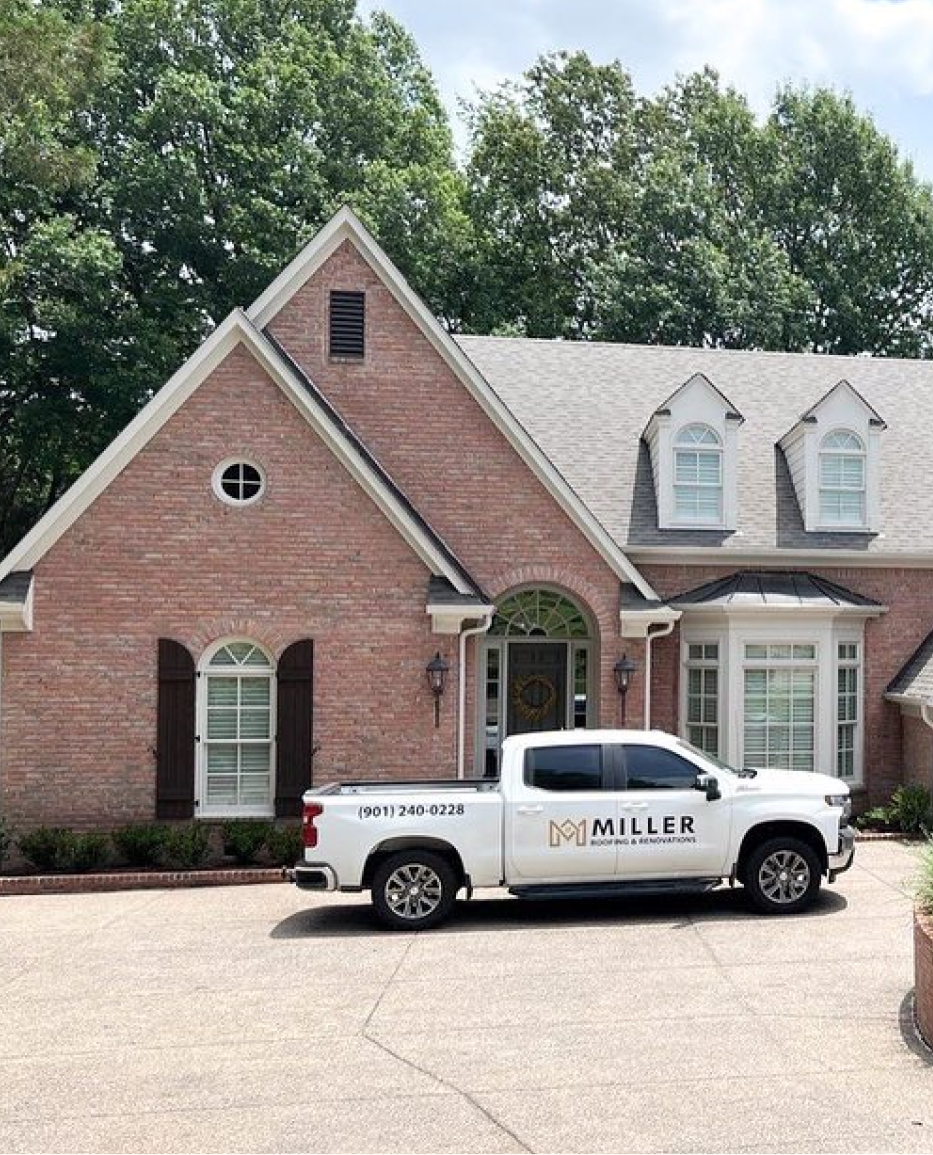
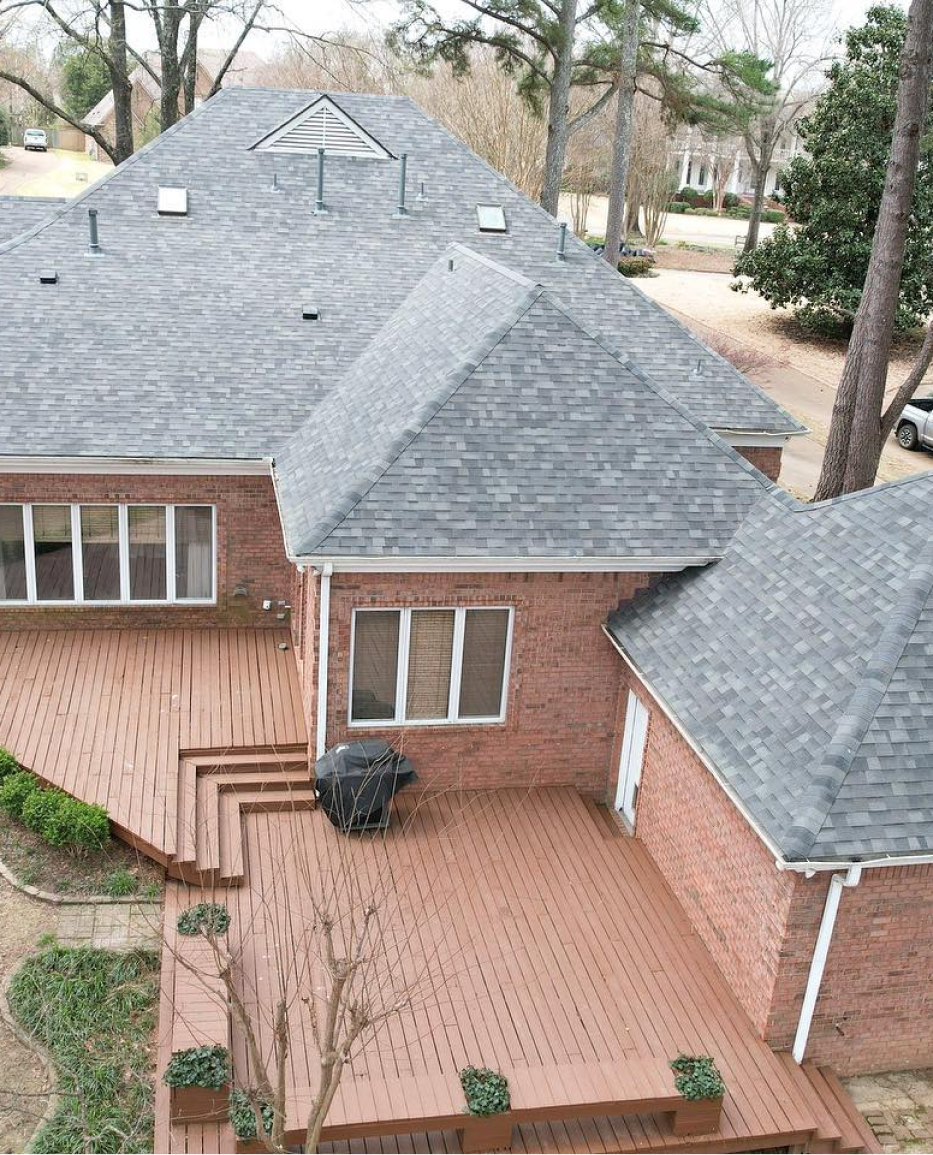
Collierville's housing stock adds another layer to the picture. Many homes here are larger with more complex roof designs, meaning more valleys, more flashing points, and more places where water can find a way in. That kind of complexity calls for a contractor who knows what to look for and how to fix it correctly the first time. Miller Roofing and Renovations works in this market every day, and that local experience shows in how we approach each residential roof repair, from a straightforward shingle replacement to tracking down a slow leak that has been developing for months. Your home deserves that level of attention, and that is exactly what we bring to every job.
Knowing how the process works upfront helps remove uncertainty when scheduling roof work. Below is how Miller Roofing and Renovations handles a residential roof repair from initial contact through completion.
Collierville's humidity does not just show up during a rainstorm. It works on your roof quietly between storms, loosening flashing, trapping moisture under shingles, and creating conditions where small problems grow into larger ones. Knowing what to watch for helps you catch issues before they reach your interior walls or attic structure.
| Common Issue | Typical Cause | Why It Matters |
|---|---|---|
| Flashing separation at chimneys and vents | Humidity cycling and temperature changes over time | Creates a direct path for water to enter around gap points |
| Underlayment buckling | Prolonged moisture exposure beneath shingles | Compromises the protective barrier between your shingles and the roof deck |
| Missing or curling shingles | Storm impact and seasonal material stress | Leaves sections of your roof deck exposed to rainfall and UV damage |
| Ventilation-related moisture buildup | Poor airflow traps warm, humid air in the attic | Accelerates shingle deterioration and can invite mold growth |
| Algae and moss growth | Shaded areas retain humidity on the surface of the roof | Degrades shingles over time and signals excess moisture on your roof |
Most repair calls in this area involve moisture-related damage that has been developing gradually rather than a single dramatic storm. A thorough inspection that looks beyond the obvious damage point is the only reliable way to understand what your roof actually needs.
When shingles are damaged, the repair goes beyond swapping out what is visibly broken. We address the shingle surface, the underlayment beneath it, and the deck condition underneath to make sure the fix holds rather than masking a deeper problem that will show up again next season.
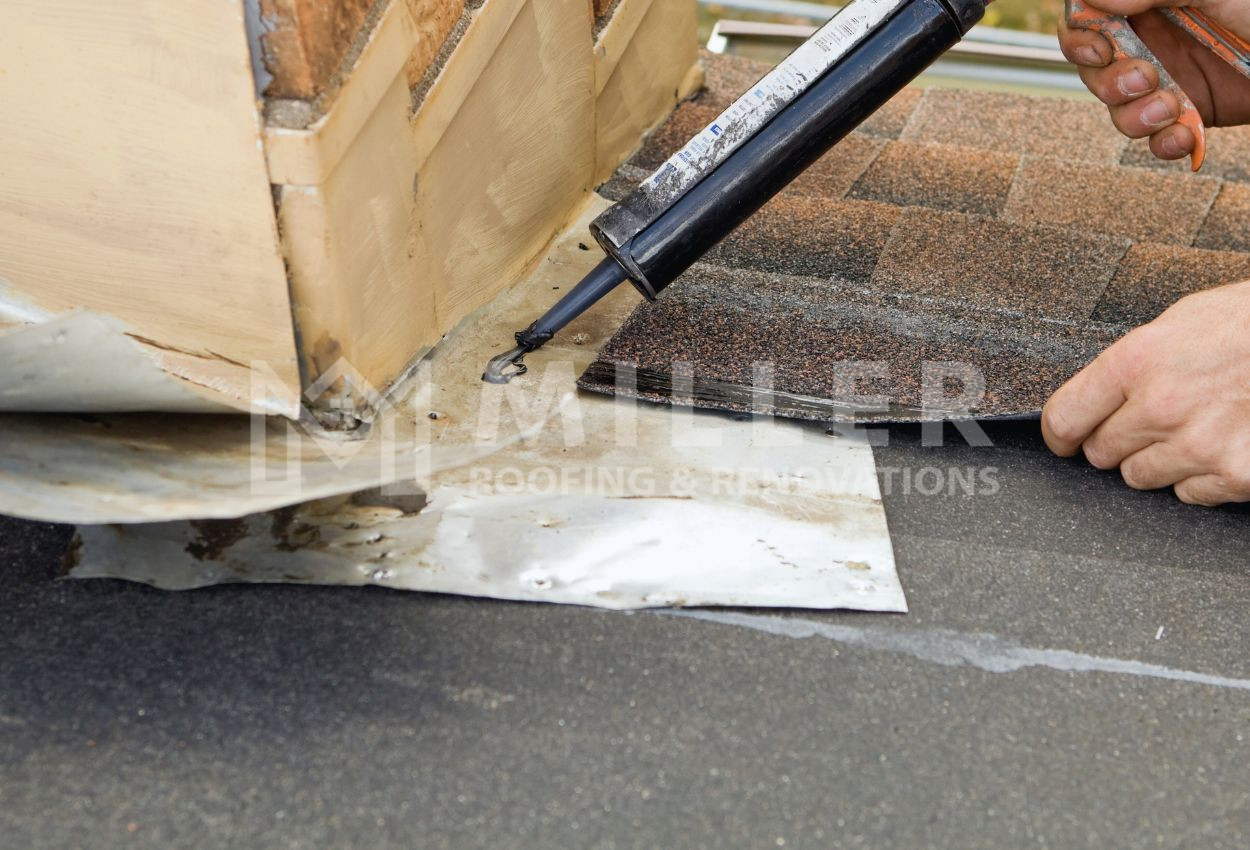
Chimneys, vents, and skylights are the most common entry points for water on Collierville homes, and failing flashing is often the reason. We reseal and refit flashing at these points using materials suited to the humidity and temperature changes this area brings, so the repair holds through multiple seasons rather than just the next few months.
A repair that fixes visible damage without addressing airflow problems in the attic often leads to repeat calls. When poor ventilation is contributing to moisture buildup or shingle deterioration, we factor that into the repair scale so the underlying condition gets resolved, not just the surface result.
Algae and moss growth is common on Collierville roofs, particularly in shaded areas that stay damp between rainstorms. As part of the repair process, we clear affected surfaces so growth does not continue to degrade the surrounding shingles or trap additional moisture against your roof.
Collierville's mix of humid summers, wet springs, and unpredictable cold snaps means your roof rarely gets a long break from the elements. That steady wear adds up over time, and a roof that handles it well gets attention before small problems have a chance to reach your interior. Keeping your home protected and avoiding expensive repairs down the road is exactly what a fast, well-executed repair is designed to do.
Miller Roofing and Renovations is local to this market and familiar with the roofing challenges that come with it. If your roof has been on your mind lately, reaching out to our Collierville team is a simple first step. We will take a look, tell you honestly what we find, and help you decide on the right path forward.
Got questions about your roof? We’ve got answers. From maintenance tips to insurance claims and repair timelines, our FAQ section covers the most common concerns homeowners have. Get informed and make confident decisions about protecting your home.
It can, if the repair is not done with local conditions in mind. The persistent moisture in this area means flashing sealants and underlayment materials need to be suited for humidity exposure, not just general use. A repair that holds in a drier climate may break down faster here if the wrong materials or methods are used. Choosing a contractor familiar with how West Tennessee's weather patterns affect roofing materials makes a real difference in how long the work holds up.
Newer construction does not automatically mean trouble-free roofing. Some of Collierville's newer subdivisions have homes with complex rooflines that include more valleys and gap points, which means more places where flashing and sealing need to be done precisely. If those details were rushed during the original build, issues can show up within a few years. An early inspection can catch developing problems before they turn into something that requires significantly more work.
The area directly surrounding the visible damage is where most people stop looking, but water rarely stops where you first notice it. A leak that appears near a vent or chimney may actually be entering a few feet away through a flashing gap or a buckled section of underlayment. Ventilation in the attic space is another detail that often gets skipped, and if airflow is restricted, moisture continues building up even after the surface repair is complete. A thorough inspection of the full repair zone, not just the obvious spot, is what separates a lasting fix from one that comes back next season.
We will be happy to assist you
