

 FREE ESTIMATE
 (901) 457-9405




 View All Reviews

consult with an expert
(901) 457-9405

Spring storms and frequent hailstorms across Shelby County create ongoing threats to a roof’s structural integrity throughout Collierville. Even minor hail impacts can bruise asphalt shingles and knock away protective granules, leaving your roof vulnerable to the heavy rainfall and afternoon thunderstorms that follow. What looks like surface damage often hides deeper problems, and once rainwater finds its way through compromised shingles, you're facing interior leaks that spread quickly through ceilings and walls. The real concern isn't just the shingles you can see from the ground but the underlying roof decking that may have suffered cracks or splitting during severe weather, weakening your home's defense against high winds and future storms.
Professional restoration work after storm damage addresses these local challenges by identifying both visible and hidden impacts before they turn into expensive structural repairs. Miller Roofing and Renovations understands how Collierville's neighborhood roofing styles respond to local weather patterns, from the older ranch homes near the historic district to newer builds in growing subdivisions. We inspect shingle surfaces for bruising and granule loss, check flashing around chimneys and vents where hail often causes secondary damage, and examine roof decking for signs of impact that compromise your home's protection. Quick repairs restore your roof's ability to shed water properly and maintain the structural durability your family depends on year-round.
Understanding how hail damage repairs are handled reduces uncertainty and supports informed decision-making. The process prioritizes accurate findings and clear communication.
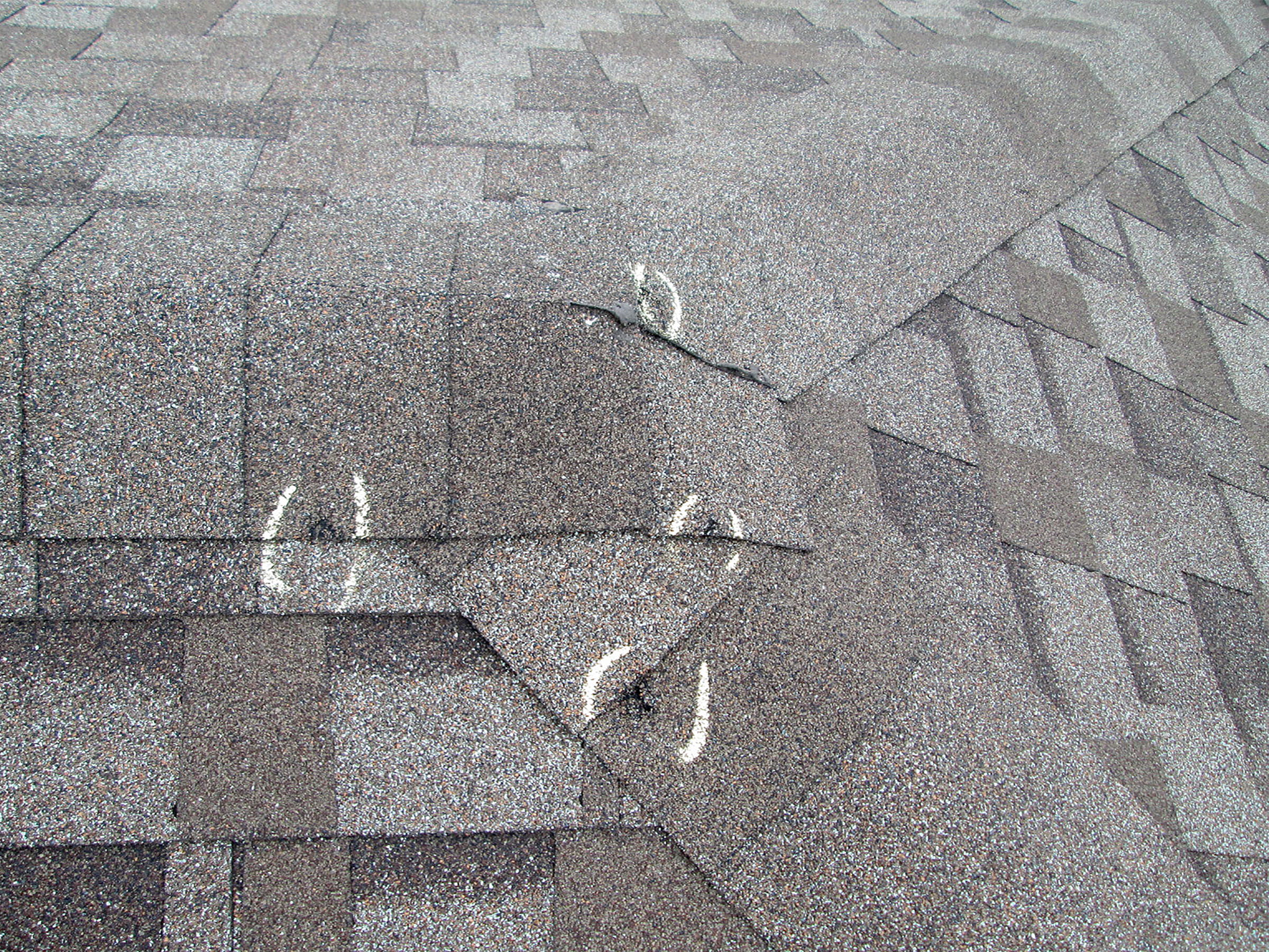
Hail affects different roofing materials in distinct ways, and understanding these patterns helps you spot damage early. Asphalt shingles develop circular bruising where hail strikes remove protective granules, exposing the underlying mat to UV rays and moisture. Metal roofs show denting that disrupts water flow, while tile roofs may crack or chip along edges. On commercial buildings with low-slope TPO or EPDM membranes, hail creates punctures or weakens seams where water pools after storms. Capturing this damage through detailed photos provides important documentation for your property records and helps track how impacts progress over time.
| Roof Type | Hail Impact Signs | Repair Priority |
|---|---|---|
| Asphalt Shingles | Circular bruising, granule loss, mat exposure | High if granules are gone |
| Metal Roof | Visible denting, paint chipping, and disrupted drainage | Moderate unless leaks develop |
| TPO Membrane | Punctures at seams, surface cracking, and pooled water | Urgent to prevent interior damage |
| EPDM Membrane | Seam separation, membrane tears, trapped moisture | Urgent for business operations |
Hail rarely limits its damage to shingles alone. Velux skylights require seal inspections after storms to catch cracks that let moisture in during temperature changes. Fascia boards and gutters often show denting or detachment where large hailstones strike, and these secondary problems need addressing during your roof repair to maintain complete protection for your property.
Collierville's weather conditions, including frequent thunderstorms and seasonal temperature shifts, make it essential to maintain a roof that performs reliably year-round. Professional hail damage roof repair prevents small issues from expanding into larger problems, keeping your home dry during rainy seasons and preserving the value you've built in your property. Addressing damaged shingles and weakened areas now means your roof continues to perform when the next storm arrives.
Miller Roofing and Renovations helps homeowners in this growing community restore roof durability after hail impacts. When you're ready to evaluate your roof's condition, we're here to provide a thorough inspection and clear recommendations. Reach out to schedule your free roof inspection and take the next step toward protecting your home.
Got questions about your roof? We’ve got answers. From maintenance tips to insurance claims and repair timelines, our FAQ section covers the most common concerns homeowners have. Get informed and make confident decisions about protecting your home.
Check your attic for new daylight coming through the roof boards or fresh water stains on the underside of the roof decking. Look at your ceilings for discoloration or soft spots that weren't there before the storm. These interior signs often reveal damage that isn't visible from the ground and help us understand the full scale of the repairs needed when we inspect your roof.
The deciding factor usually comes down to how many shingles sustained impacts and whether the roof decking underneath stayed intact. If hail bruised a section of your roof but left most areas undamaged, targeted repairs restore full protection without replacing the entire system. When impacts cover more than half the roof or leak through to the roof deck in multiple areas, replacement becomes the more practical solution.
Yes, because bruised shingles lose their ability to shed water properly, and exposed areas let moisture work into the roof deck below. Once water reaches the wooden deck materials, it can spread quickly during our wet spring season and cause rot that requires more involved structural repairs. Scheduling repairs soon after a storm prevents that progression and keeps the work straightforward.
We will be happy to assist you
