

 FREE ESTIMATE
 (901) 457-9405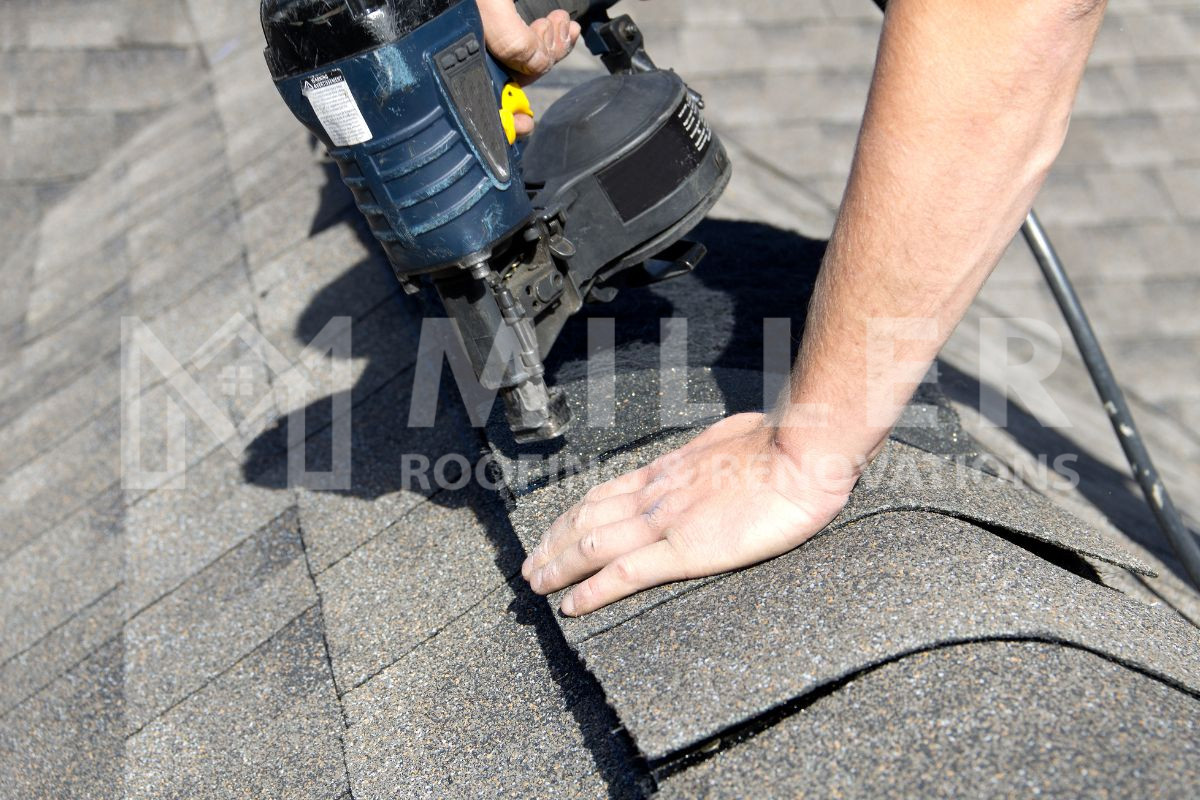







 View All Reviews

consult with an expert
(901) 457-9405

Bartlett sits in the heart of the Memphis metro, where the weather puts roofs through a real workout year after year. Spring storms roll through with strong winds and heavy rain, summer brings heat that pushes into the 90s, and winter dips below freezing often enough to stress even well-maintained shingles. With around 50 inches of rain spread across the year, your roof rarely gets a long break from moisture exposure. For homes built in the 1980s, 90s, and early 2000s, which make up a large share of Bartlett's neighborhoods, that kind of ongoing exposure adds up fast. Many of those roofs are now old enough that small problems like curling shingles, worn flashing, or minor leaks around vents and valleys are no longer a matter of if but when.
Catching those issues early is what separates a quick fix from a much larger project. When shingles lose their granules, flashing pulls away from a chimney, or a ridge cap loosens after a windy stretch, water finds its way in gradually. By the time a stain appears on your ceiling, damage has usually been building for a while. That's where Miller Roofing and Renovations comes in. As a local contractor serving Bartlett and the surrounding Shelby County area, the team understands how these specific weather patterns and housing conditions drive the repair needs here, and how to address them the right way the first time.
Understanding the sequence of steps before any work begins helps make roof repairs more straightforward. The outline below explains how Miller Roofing and Renovations manages a residential roof repair from the initial visit through final review.
Bartlett's mix of aging housing stock and active storm seasons creates a fairly predictable set of repair needs. While every home is different, certain problems show up again and again in neighborhoods throughout the area, and knowing what to watch for can help you catch trouble before it reaches your ceiling.
| Repair Issue | Common Cause | Typical Urgency |
|---|---|---|
| Shingle blow-off or curling | High winds along roof edges and ridges | Repair quickly to prevent leaks |
| Flashing failure at joints and vents | Sealant breakdown from heat and repeated moisture | High: a frequent source of hidden leaks |
| Granule loss on asphalt shingles | Age and prolonged sun and rain exposure | Moderate: accelerates further deterioration |
| Algae or moss growth | High humidity and limited airflow across the surface of the roof | Address before it compromises shingles |
| Soft or damaged roof decking | Long-term moisture seeping under worn shingles | Must be corrected during any open roof stage |
Many of these issues develop quietly over multiple storm seasons rather than from a single storm. Homes with layered shingle installations, which are common in older Bartlett neighborhoods, can hide underlying deck damage that only becomes visible once a repair is underway. Catching these problems during a targeted repair, rather than waiting for a full replacement conversation, keeps your investment in your property protected and your repair scale manageable.
Not every repair requires pulling up your entire roof. When damage is isolated to a specific area, such as a section of blown-off shingles along a ridge or a cluster of curled shingles near an eave, targeted replacement addresses the problem without disturbing the surrounding surface, saving you time and keeping the repair scale reasonable.
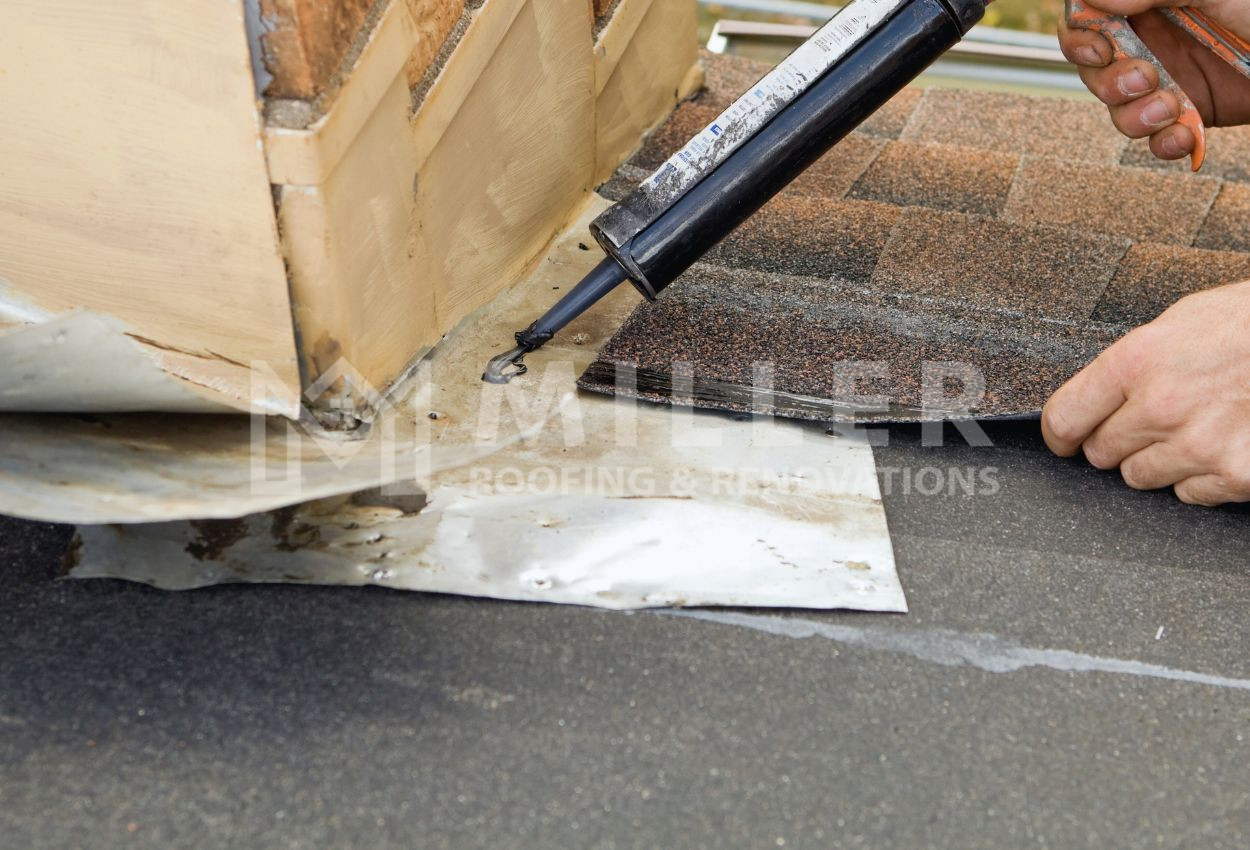
Chimneys, pipe boots, skylights, and roof valleys are among the most common entry points for water in Bartlett homes. Flashing at these joints is re-secured and resealed during repairs, closing off the gaps that heat, humidity, and repeated rain exposure tend to open up over time.
When shingles come up during a repair, what's underneath gets a close look. If the underlayment shows wear or sections of the roof decking have softened from long-term moisture exposure, those issues are addressed at the same time rather than covered back up, protecting your home from the same problem returning in a few months.
Windstorms in the Memphis metro frequently lift shingles along roof edges and ridges first, and homes at the ends of subdivisions or on elevated lots are especially vulnerable. Ridge caps and perimeter shingles are refastened to current standards during repairs, reinforcing the areas most likely to lift again in the next storm season.
Bartlett's combination of frequent rainfall, seasonal temperature swings, and an older housing stock means roof problems here tend to add up quietly over time. A loose ridge cap or worn flashing joint that seems minor in the fall can let moisture work its way into your roof decking well before spring arrives. Staying ahead of those issues protects your home and keeps a small repair from turning into a much larger project down the road.
Miller Roofing and Renovations is a local contractor who understands the conditions your roof faces here and how to address them properly. If you have noticed something that doesn't look right, or just want a clear picture of where your roof stands, reaching out to our Bartlett team is a straightforward first step. There is no pressure and no obligation, just an honest conversation about what your home actually needs.
Got questions about your roof? We’ve got answers. From maintenance tips to insurance claims and repair timelines, our FAQ section covers the most common concerns homeowners have. Get informed and make confident decisions about protecting your home.
Bartlett's combination of high humidity and warm temperatures creates near-ideal conditions for algae regrowth, especially on asphalt shingles with reduced granule coverage. Once granules wear thin, the shingle surface holds moisture longer after rain, giving algae a foothold it did not have when the roof was newer. Addressing the underlying granule loss during a repair, rather than just treating the surface growth, is what breaks that cycle and protects the shingles beneath.
It can, and it is worth knowing before work starts. Layered installations are common in older Bartlett neighborhoods, and they can make it harder to trace a leak back to its actual source since water sometimes travels between layers before showing up inside. If roof decking issues are present, they also require more work to reach and correct. A thorough inspection up front accounts for this, so there are no surprises once the roof is open.
Fall and early spring tend to be the most practical windows for scheduled repairs in this area. Temperatures are moderate enough for materials to set properly, and getting work done before winter or ahead of the spring storm season means your roof is in better shape when the weather gets tough again. If you have a minor issue that has not caused visible damage yet, those shoulder seasons are the right time to act rather than waiting to see how it holds up through another round of storms.
We will be happy to assist you
