

 FREE ESTIMATE
 (901) 457-9405









 View All Reviews

consult with an expert
(901) 457-9405

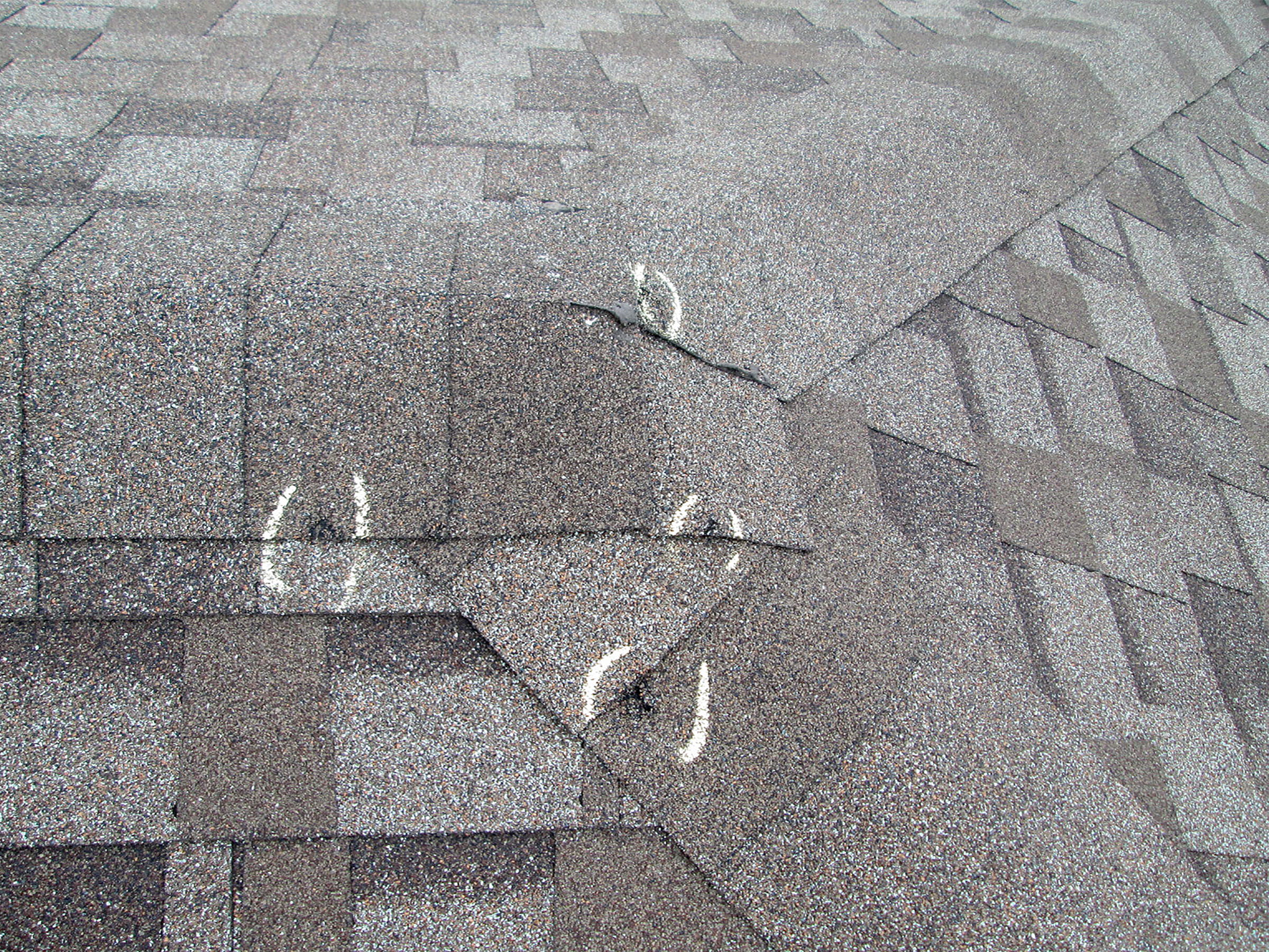
Bartlett sits in an area where severe thunderstorms roll through regularly, bringing high winds and hail that can strike your roof with surprising force. The flat terrain across this part of Shelby County means there's little to slow down storms before they reach your neighborhood, and hailstones that might seem small can crack shingles, dent flashing, and create openings where water starts to seep in. When you combine that storm activity with the temperature changes between hot summers and cold winters, damaged shingles deteriorate even faster. What starts as a few broken tabs can quickly turn into leaks in your attic, staining insulation and encouraging mold growth that spreads through spaces you can't easily see.
Professional hail damage roof repair stops that progression before it affects the interior of your home. Miller Roofing and Renovations works with homeowners throughout Bartlett to inspect storm damage, replace broken shingles, seal vulnerable areas, and restore the protective barrier your roof provides. We understand how local weather patterns affect roofing materials, and we focus on repairs that address both the visible damage and the hidden vulnerabilities that develop after hail impact. The goal is straightforward: get your roof back to full strength so you can trust it to protect your family and your investment in your property through the next storm season.
You shouldn't have to guess what happens next after a storm. We walk you through each step so you know exactly what to expect and understand the work your roof actually needs.
Different roofing materials respond to hail impact in different ways, and understanding those differences helps you know what kind of repair your roof actually needs. Asphalt shingles may lose protective granules that leave the underlying mat exposed to UV rays, while metal roofs resist punctures but can show denting. Flat roofs with membrane systems need specialized patching to preserve waterproof seals. The material on your roof determines both how vulnerable it is to hail and what repair approach will restore full protection.
| Roof Type | Common Hail Damage | Repair Method |
|---|---|---|
| Asphalt Shingles | Granule loss and cracked tabs that expose the mat to sunlight and moisture | Replace damaged shingles through precise color matching and reseal edges |
| Metal Roof | Surface dents that rarely penetrate but may affect water shedding on panels | Inspect seams and fasteners, replace sections if denting disrupts drainage |
| Tile or Slate | Cracked or broken tiles that require exact replacements to maintain the overlap | Source matching tiles and install with proper underlayment repair |
| TPO or EPDM (Flat) | Membrane punctures or seam separation that compromise waterproofing layers | Patch damaged areas with heat-welded seams to restore membrane integrity |
Your roof takes the brunt of every storm that moves through this area, and keeping it in sound condition means you avoid the kind of interior damage that turns a small repair into a major headache. Broken shingles and damaged flashing let moisture work its way into places you can't see, where it quietly undermines insulation, wood framing, and ceilings. Addressing those vulnerabilities now gives you confidence that your home stays dry and protected through the next round of severe weather.
Miller Roofing and Renovations helps Bartlett homeowners restore their roofs after hail strikes. When you're ready to inspect your roof and confirm it's ready to handle whatever the weather brings next, reach out to schedule a professional inspection. We'll give you a clear picture of what your roof needs and make sure the repairs hold up for years to come.
Got questions about your roof? We’ve got answers. From maintenance tips to insurance claims and repair timelines, our FAQ section covers the most common concerns homeowners have. Get informed and make confident decisions about protecting your home.
You should schedule an inspection within a week or two of a severe storm, even if you don't see obvious damage from the ground. Hail impact creates vulnerabilities that worsen quickly once rain and temperature changes start working on compromised shingles. Getting a professional inspection early lets you address problems before they turn into leaks that affect your attic and interior spaces.
Wind damage typically shows up as lifted or missing shingles along edges and ridges, while hail damage creates circular impact marks, dents in flashing, and random patterns of granule loss across the entire roof’s surface. Hail strikes leave bruise-like spots where the protective granules are knocked off, exposing the underlying mat. A professional inspection identifies which type of damage you're dealing with, so the repair targets the actual problem.
We source replacement shingles that match your current roofing material as closely as possible, but slight color variation is normal because your existing shingles have weathered and faded over time. Most color differences blend in within a few months as the new shingles weather naturally. If your roof sustained extensive damage across multiple sections, we'll discuss whether blending will be noticeable or if a full replacement makes more sense for a consistent appearance.
We will be happy to assist you
