

 FREE ESTIMATE
 (901) 457-9405








 View All Reviews

consult with an expert
(901) 457-9405

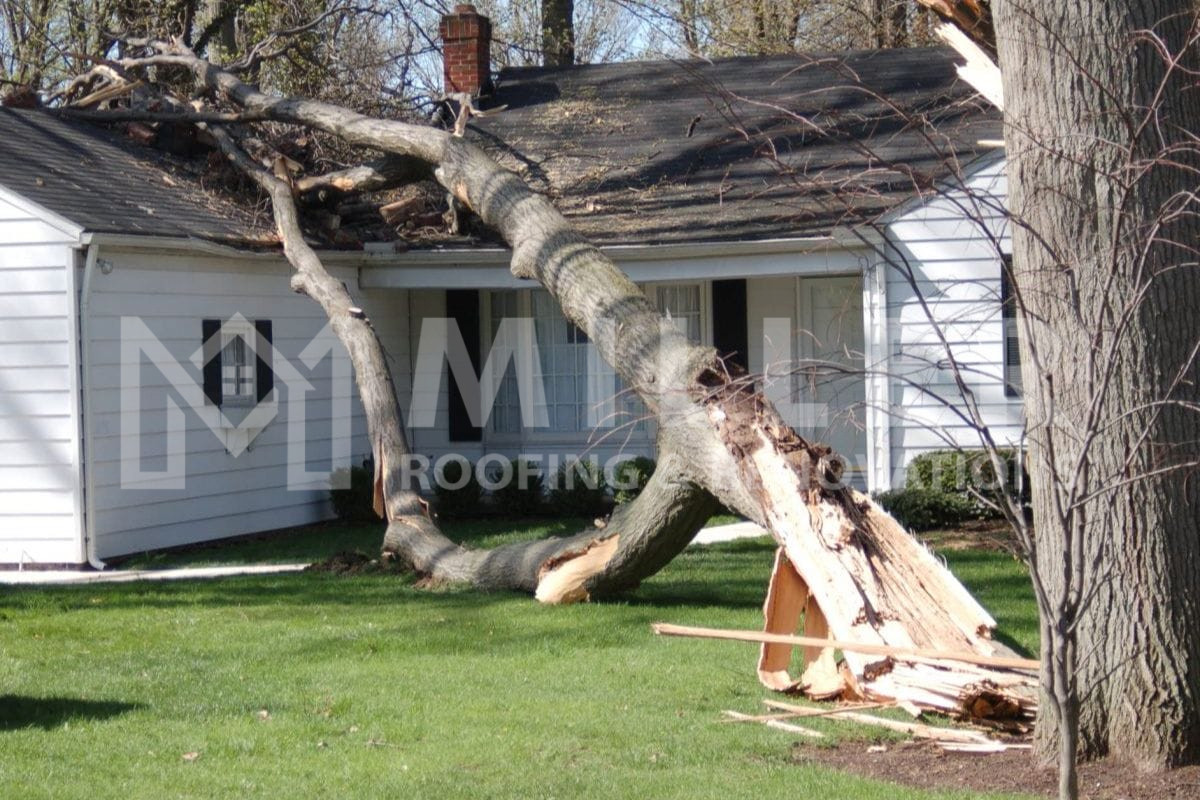
Atoka sits squarely in a part of West Tennessee that sees frequent spring and summer thunderstorms, and that means high winds, hail, and heavy rain are a regular part of life here. Those storms do real damage to roofs, and not all of it is obvious right away. Hail can crack or dent shingles in ways that look minor at first but allow water to seep in long after the storm has passed. High winds can lift or tear shingles entirely, leaving the underlayment exposed and your home vulnerable to leaks with every rain that follows. On top of that, temperature changes in winter can stress a roof that was already weakened earlier in the year, turning a small problem into a much bigger one before you even realize it started.
Getting storm damage repaired quickly is the best way to protect your home from the kind of water damage that add up over time. A damaged shingle here, a loose piece of flashing there, these are the gaps that let water find its way inside. Miller Roofing and Renovations works with Atoka homeowners to identify exactly what the storm affected and get it repaired correctly, whether that means replacing a section of shingles, patching a small leak, or addressing flashing that took a hit. The goal is to get your roof back to doing its job before the next round of storms moves through.
Storm damage can leave a lot of unanswered questions, which is why a clear repair process matters. Here is how Miller Roofing and Renovations approaches storm-related roof repairs from the initial assessment through completion.
Storms in this part of West Tennessee can leave behind damage that ranges from obvious to nearly invisible. Knowing what to look for after a major wind or hail storm helps you catch problems early, before the next round of rain turns a small issue into a much larger repair.
If your roof took a hit recently, a complete inspection is worth scheduling sooner rather than later. Winter temperature changes can push weakened areas past the point where a simple repair is still enough.
When storm damage is limited to a specific section of your roof, replacing only the affected shingles is often all that is needed to restore protection. This targeted approach keeps your repair focused and avoids unnecessary work on areas of your roof that are still in good shape.
Wind and hail can shift or loosen the metal flashing around chimneys, vents, and pipe boots without leaving obvious visible damage from the ground. Properly resealing and realigning that flashing closes off one of the most common entry points for water in an asphalt shingle roof.
When shingles are torn away by high winds, the underlayment beneath them is left exposed and takes the full force of any rain that follows. Repairing or reinforcing that layer before new shingles are installed gives your roof a complete barrier again, not just a surface fix.
Storm debris and granule buildup can clog gutters and prevent water from draining away from your roofline correctly. Checking drainage as part of the repair visit helps make sure water moves away from your home the way it should after the next storm rolls through.
West Tennessee storms are not a once-in-a-while event, and a roof that has taken a hit from wind or hail is more vulnerable with every rainstorm that follows. Getting the damage repaired while it is still limited to a manageable area protects your home from the kind of water damage that quietly grows behind walls and ceilings. Staying ahead of repairs also helps you avoid the bigger expense that comes when a small problem is left alone through the rest of storm season and into winter.
Miller Roofing and Renovations is here to help homeowners in the Atoka area get their roofs back in shape after a storm. If you noticed something after the last round of weather, or just want to know what shape your roof is in, reaching out for an inspection is a simple first step. We are happy to take a look and give you a straight answer about what, if anything, needs attention.
Got questions about your roof? We’ve got answers. From maintenance tips to insurance claims and repair timelines, our FAQ section covers the most common concerns homeowners have. Get informed and make confident decisions about protecting your home.
Getting an inspection scheduled within a few days of a major storm is the right move, even if nothing looks obviously wrong from the ground. Hail and wind damage in this region often creates hidden weak spots that hold up through a few dry days but fail quickly once the next round of rain arrives. The longer those problem areas sit unaddressed, the more likely water is to find its way in and spread beyond the roof itself.
Size plays a role, but it is not the only factor. Smaller hailstones at high velocity can still crack or bruise shingles enough to break down their water-shedding ability over time, especially on a roof that already has some age on it. In West Tennessee, fast-moving storm cells can push hail at angles that concentrate impact on specific sections of a roof while leaving others nearly untouched, which is part of why a close-up inspection tells you more than a visual scan from the yard ever will.
Yes, and this is something a lot of homeowners do not think to ask. Wind and hail rarely damage a roof in a perfectly contained area, and problems like loosened flashing, cracked shingles, or compromised gutter connections often turn up in spots that do not catch your eye at first. Checking the full roof surface, including gaps and edge details, is the only way to know that you are not leaving a hidden issue behind after the visible repairs are done.
We will be happy to assist you
