

 FREE ESTIMATE
 (901) 457-9405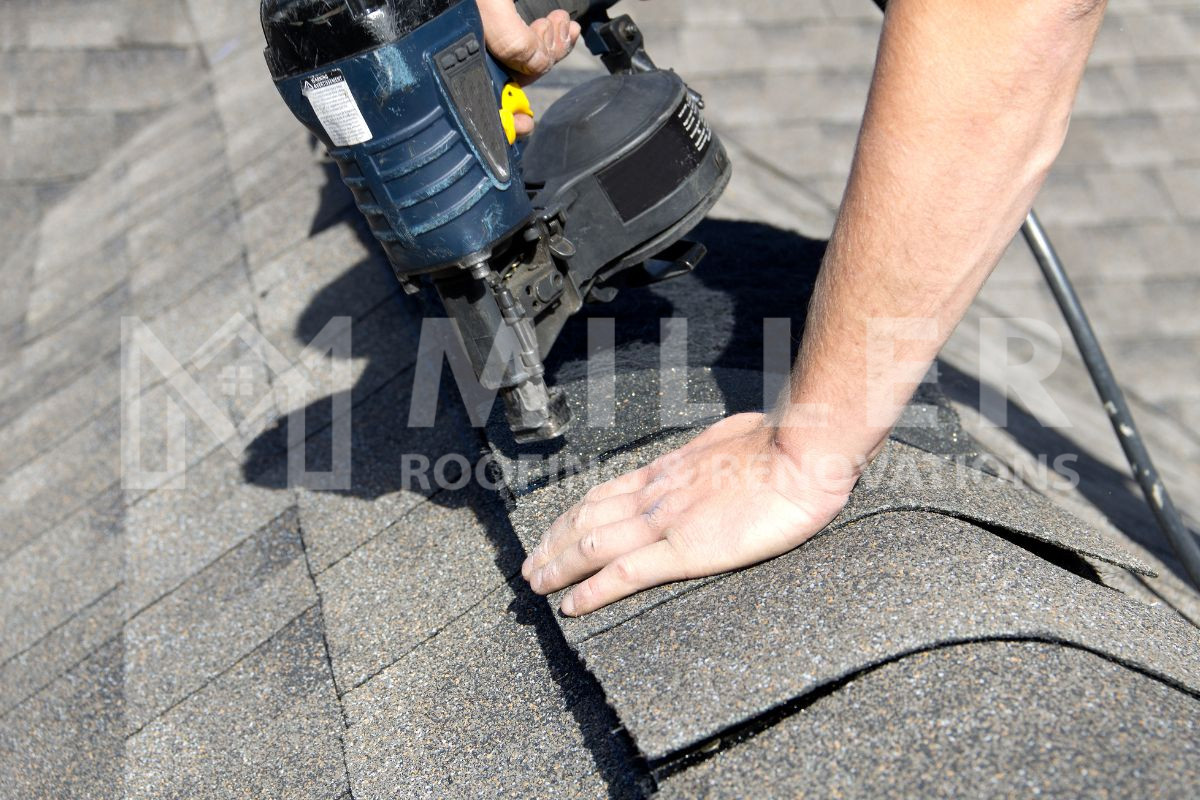








 View All Reviews

consult with an expert
(901) 457-9405

Atoka summers are no easy thing for a roof to endure. Temperatures regularly push into the 90s for weeks at a stretch, and that sustained heat does real damage over time. Shingles dry out, sealants soften, and any weak spot that survived the winter becomes a liability by the time the first summer storm rolls through. Atoka also sits in a part of West Tennessee where rainfall is a year-round reality, and the Memphis-area climate delivers enough wind, moisture, and seasonal temperature swings to stress roofing materials in ways that often go unnoticed until water starts showing up where it shouldn't. A water stain on your ceiling or moisture creeping into your attic after a heavy rain is rarely a sudden problem. It usually means something smaller went unaddressed long enough to get worse.
That's exactly why catching roof issues early matters so much for Atoka homeowners. A missing shingle, a lifted flashing edge, or a failed seal around a vent might seem minor, but left alone through another season of heat and rain, a small repair can become an expensive one. Miller Roofing and Renovations works with homeowners across Atoka to identify where damage is actually happening, repair it correctly, and protect the home you've put your investment into. From storm-damaged shingles to leaks around chimneys and roof edges, the goal is always to fix the problem at its source and keep your roof doing its job through whatever the season brings next.
Every roof repair starts with identifying the actual cause of the problem rather than focusing only on the visible symptoms. A clear process helps ensure repairs address the source of the issue and not just the damage it created.
Not every roof in Atoka is built the same way, and the type of roofing material on your home shapes how repairs are approached and what to watch for. Understanding the most common repair situations by material type helps you know what a good repair actually involves.
| Roof Type | Common Repair Issues | What are the Repair Targets |
|---|---|---|
| Asphalt Shingles | Lifted, cracked, or missing shingles after wind and storm exposure | Shingle replacement, resealing edges, and flashing around gaps |
| Metal Roofing | Loose fasteners, open seams, and flashing failures that allow water under panels | Fastener resetting, seam sealing, and flashing repair at transitions and edges |
| Flashing and Sealants | Failed seals around vents, chimneys, and roof edges from heat and moisture exposure | Removing old sealant, reseating flashing, and applying fresh waterproof seals |
| Roof Edges and Trim | Lifted or separated edge material that lets water run behind the drip edge | Resecuring and resealing edge material to restore a clean, watertight barrier |
Metal roofing repair deserves particular attention in this area because seam gaps and failing fasteners can be easy to overlook until a steady rain reveals the problem. Whether your home has a full metal roof or metal parts mixed with other materials, those connections need the same careful attention as any shingle repair. Getting the right fix for your specific roof type is what keeps a repair from becoming a repeat call.
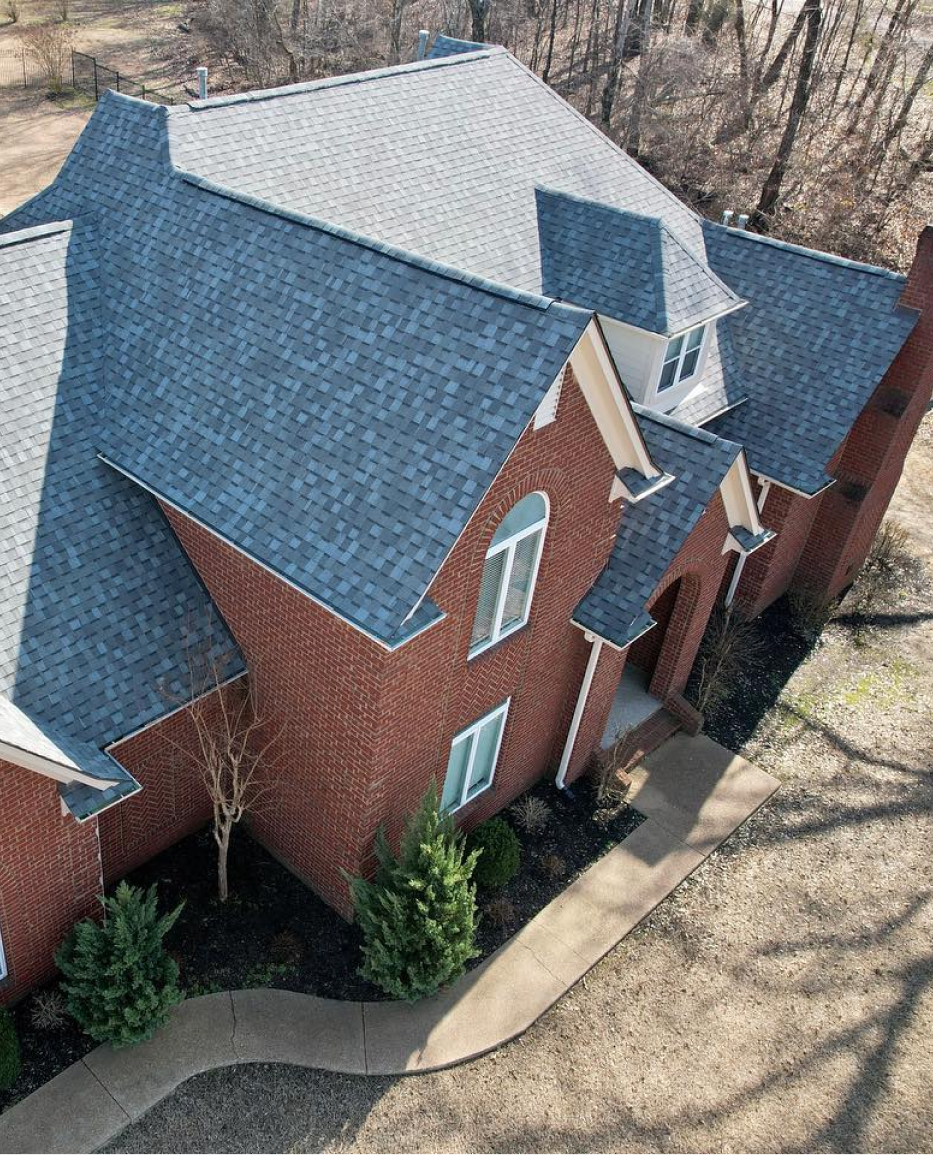
High winds from Memphis-area storms regularly lift shingle edges, crack tabs, or pull fasteners loose, leaving your roof vulnerable to leaks during the next heavy rain. Replacing only the damaged shingles while matching the existing color and profile keeps your roof functional and your home's curb appeal intact.
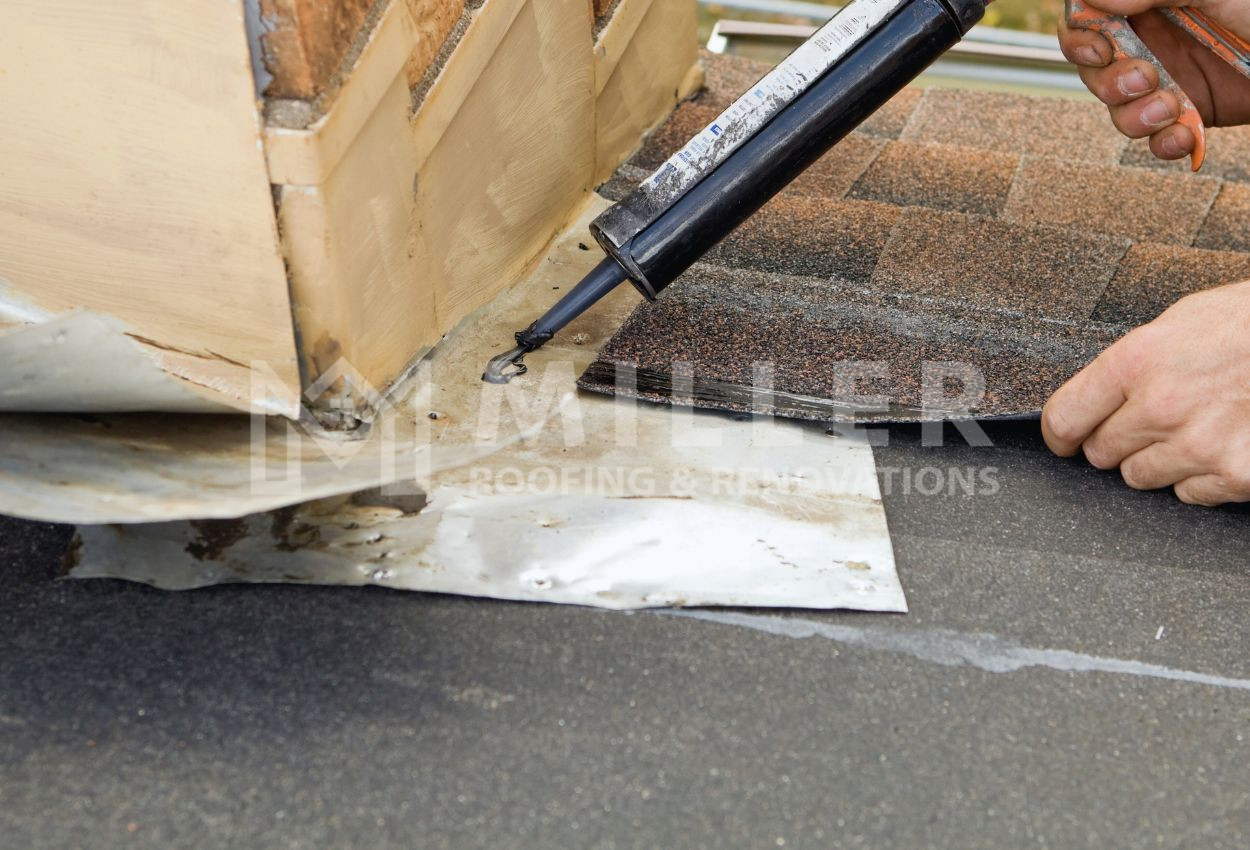
Chimneys, pipe boots, and roof vents are common entry points for water because the seals around them take the most abuse from Atoka's heat and repeated rainfall cycles. Pinpointing exactly where the water is entering, rather than just patching the visible wet spot, is what keeps the same leak from coming back after the next storm.
Water stains on your ceilings or damp spots in your attic are often the first signs that a roof problem has been developing longer than you realized. Tracing that moisture back to its origin on the surface of the roof helps protect your insulation, framing, and interior finishes before the damage spreads further into your home.
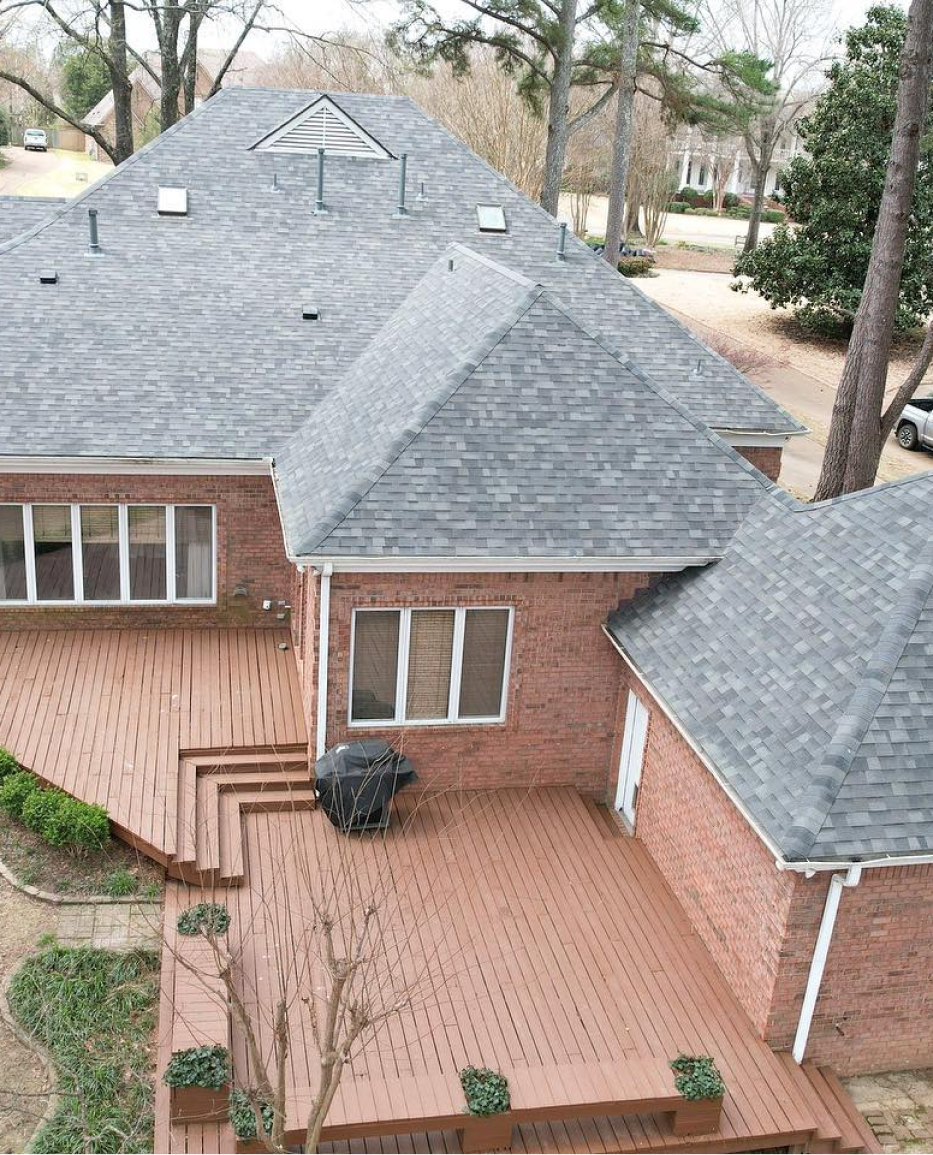
When gutters overflow or pull away from the fascia board, water can pool along the roof edge and work its way underneath roofing materials over time. Repairing the drip edge, resecuring loose sections, and clearing the path for proper drainage protect one of the most overlooked parts of your roofing system.
West Tennessee weather is not particularly forgiving to roofing materials, and homes in Atoka take their share of wear from long, hot summers, steady rainfall, and the kind of seasonal temperature changes that gradually work on sealants and shingles over time. Staying ahead of that wear is one of the more practical things you can do as a homeowner, not just to avoid a bigger repair bill down the road, but to protect the value and comfort of the home your family lives in. A small repair done correctly now is almost always the better path forward.
Miller Roofing and Renovations is ready to help when you notice something wrong or simply want a closer look at how your roof is holding up. Reach out whenever you're ready, and we'll take it from there.
Got questions about your roof? We’ve got answers. From maintenance tips to insurance claims and repair timelines, our FAQ section covers the most common concerns homeowners have. Get informed and make confident decisions about protecting your home.
Yes, and the timing matters more than most homeowners expect. Lifted shingles expose the underlayment and fasteners to direct sun and moisture, and Atoka's summer heat can dry out and curl that exposed material quickly. What starts as a shingle that just needs to be reseated can turn into a more involved repair if another round of rain gets underneath it before it's addressed. Catching it while the damage is still isolated is almost always the less expensive and less disruptive path.
In most cases, it isn't. Water that enters the roof at a flashing gap, a failed pipe boot, or a lifted shingle edge can travel along rafters or sheathing for several feet before it drips down and shows up on a ceiling or attic floor. This is one of the more common surprises homeowners run into, and it's exactly why tracing the problem to its actual entry point on the surface of the roof matters before any repair work begins. Patching the visible wet spot without finding the source is one of the main reasons the same leak comes back after the next heavy rain.
It can, particularly around sealants and flashing. The combination of high humidity and heat that Atoka sees through a typical summer accelerates sealant breakdown faster than it would in a drier climate, which is why the quality of the material used and how carefully it's applied make a real difference in how long a repair lasts. Repairs done with materials rated for high-humidity environments and properly seated flashing hold up significantly better than a quick patch job. Checking those sealed areas after a season or two is a reasonable habit for any homeowner in this part of West Tennessee.
We will be happy to assist you
