

 FREE ESTIMATE
 (901) 457-9405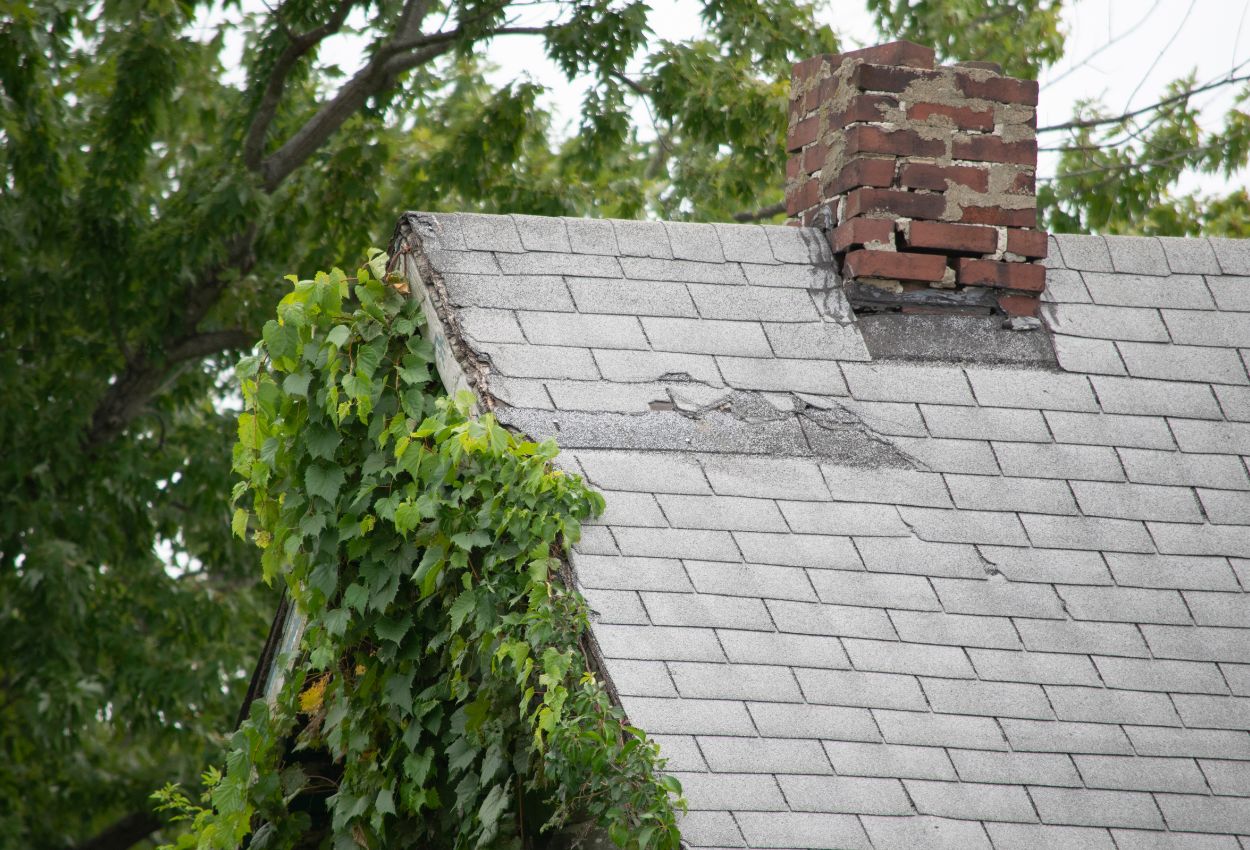









 View All Reviews

consult with an expert
(901) 457-9405

Atoka sits just north of the Memphis metro in West Tennessee, and the weather here is not easy on roofs. Summers bring heat and humidity that can dry out and curl shingles over time, while spring storm season rolls through with heavy rain, strong winds, and the kind of storm activity that leaves damage you may not spot from the ground. With rainfall totaling around 50 inches or more each year across this region, moisture works its way into small vulnerabilities fast. A lifted shingle edge, a section of loose flashing, or a minor drainage issue that seems minor in October can quietly turn into a leak by the time winter arrives.
That is exactly why a professional roof inspection in Atoka, TN matters, and why timing it right makes a real difference. Getting a complete inspection after the spring storm season or before colder weather sets in gives you a clear picture of where your roof stands before conditions make repairs harder to schedule. Miller Roofing and Renovations knows what local roofs face here, from aging asphalt shingles showing wear after years of humid summers to flashing failures on rooflines that are harder to inspect without the right experience. Whether your home is newer or has been standing for decades, knowing the actual condition of your roof is one of the most practical steps you can take to protect your investment in your property.
A roof inspection process works best when each stage is clearly defined, from scheduling through the final discussion of findings. Here is how Miller Roofing and Renovations handles a residential roof inspection from start to finish.
A complete residential roof inspection looks at the parts of your roof most likely to show wear or hide early signs of trouble. In Atoka, that means paying close attention to the conditions that local weather creates over time, especially on roofs that have been through several years of humid summers and active spring storm seasons.
| Inspection Area | What We Look For | Why It Matters Here |
|---|---|---|
| Shingles | Lifting, edge wear, curling, or deterioration | Humidity and heat accelerate shingle breakdown on older roofs |
| Flashing | Loose, cracked, or failing seals around edges and gaps | Heavy rain makes flashing failures a leading cause of leaks |
| Drainage points | Blockages, pooling risk, or slope issues | With high annual rainfall, poor drainage creates persistent moisture problems |
| Complex rooflines | Valleys, transitions, and hard-to-see sections | These areas collect debris and trap moisture that ground-level checks miss |
| Hidden moisture | Soft spots, staining, or early signs of leak damage | Humid conditions allow moisture to spread before visible damage appears |
Your roof does not have to show obvious damage to benefit from a closer look. Inspections and proper roof leak detection can uncover smaller issues, such as lifted shingle edges, minor flashing gaps, and drainage concerns, before they grow into something more expensive to fix.
Whether your home has asphalt shingles or a metal roof, the inspection is tailored to what that material actually shows when it starts to wear. Asphalt shingles and metal panels each fail in different ways, and knowing what to look for on each type means problems get spotted accurately rather than overlooked.
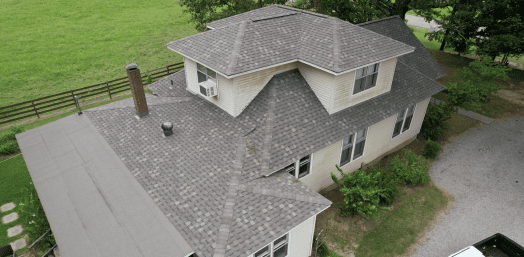
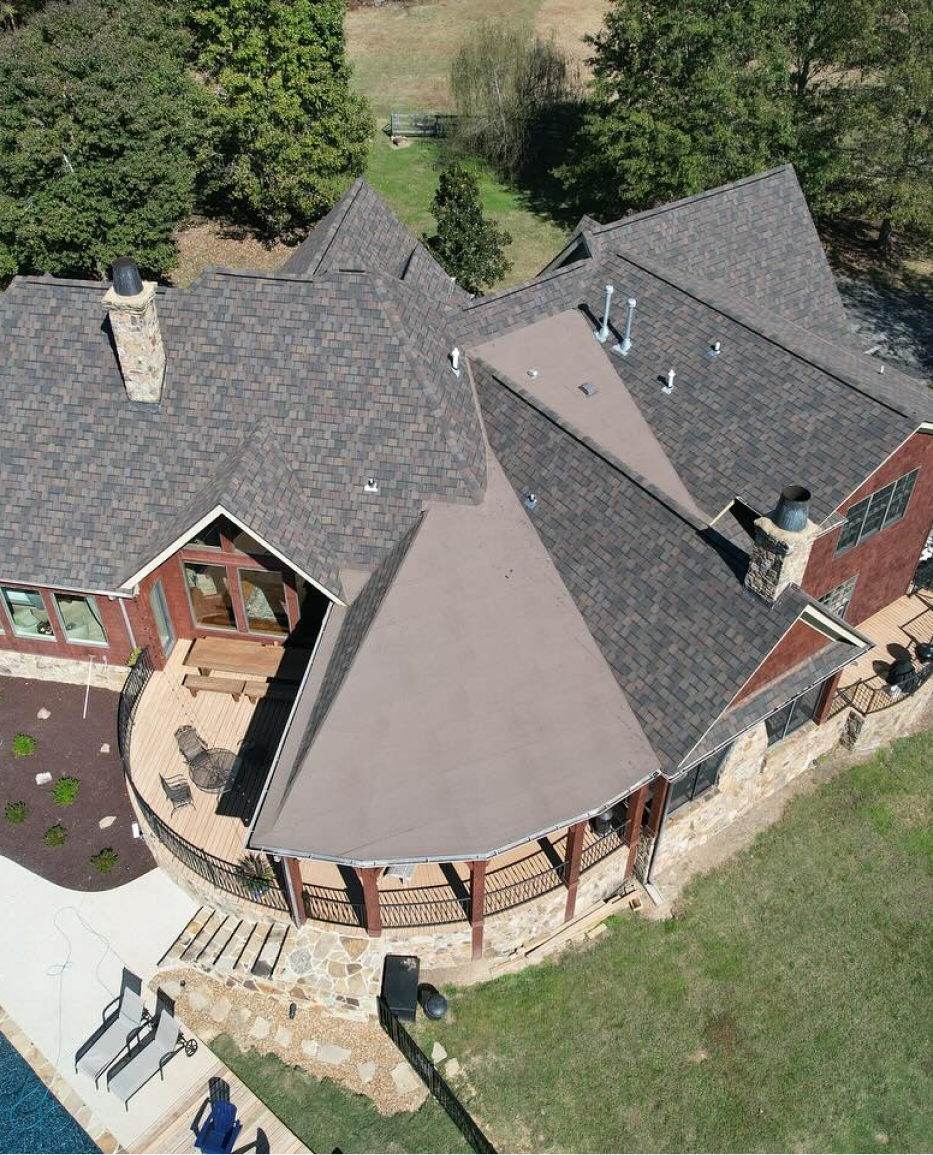
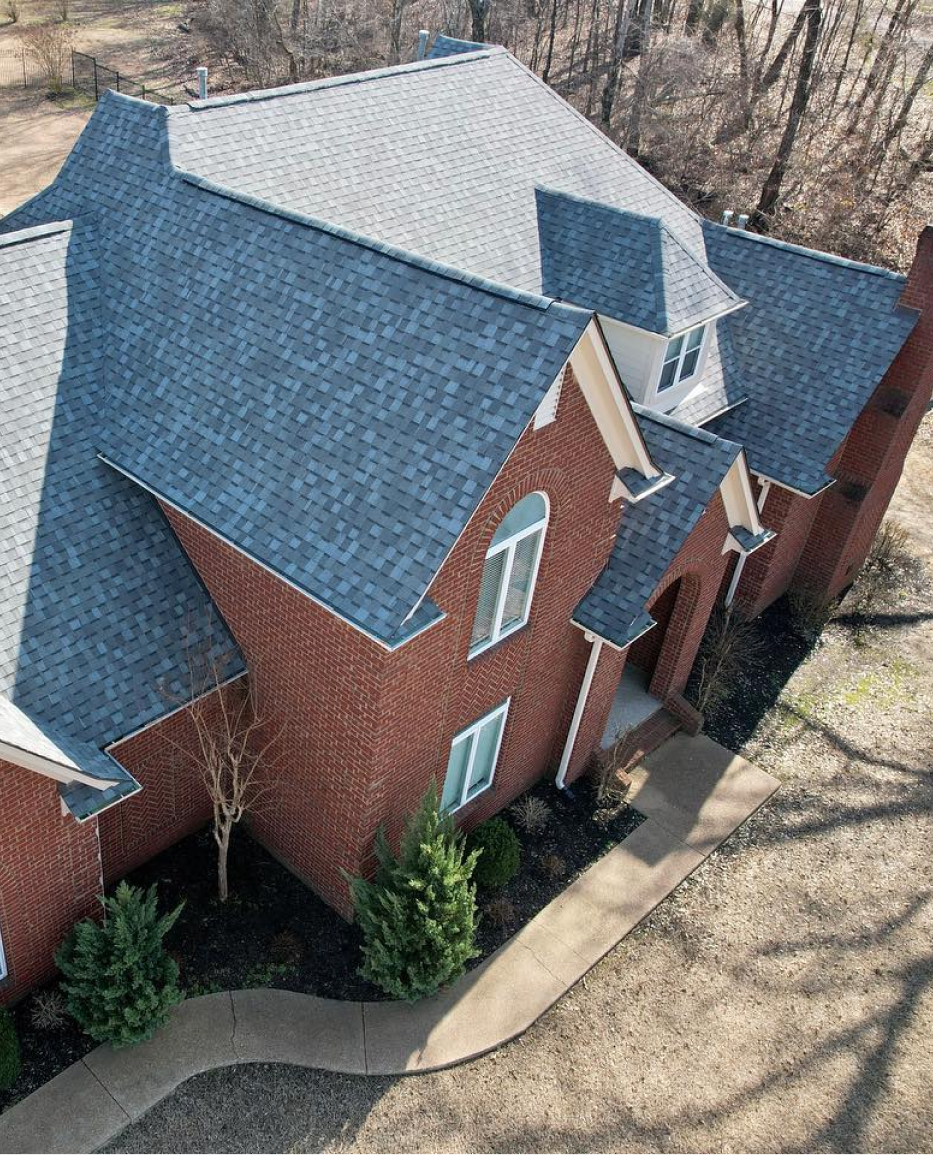
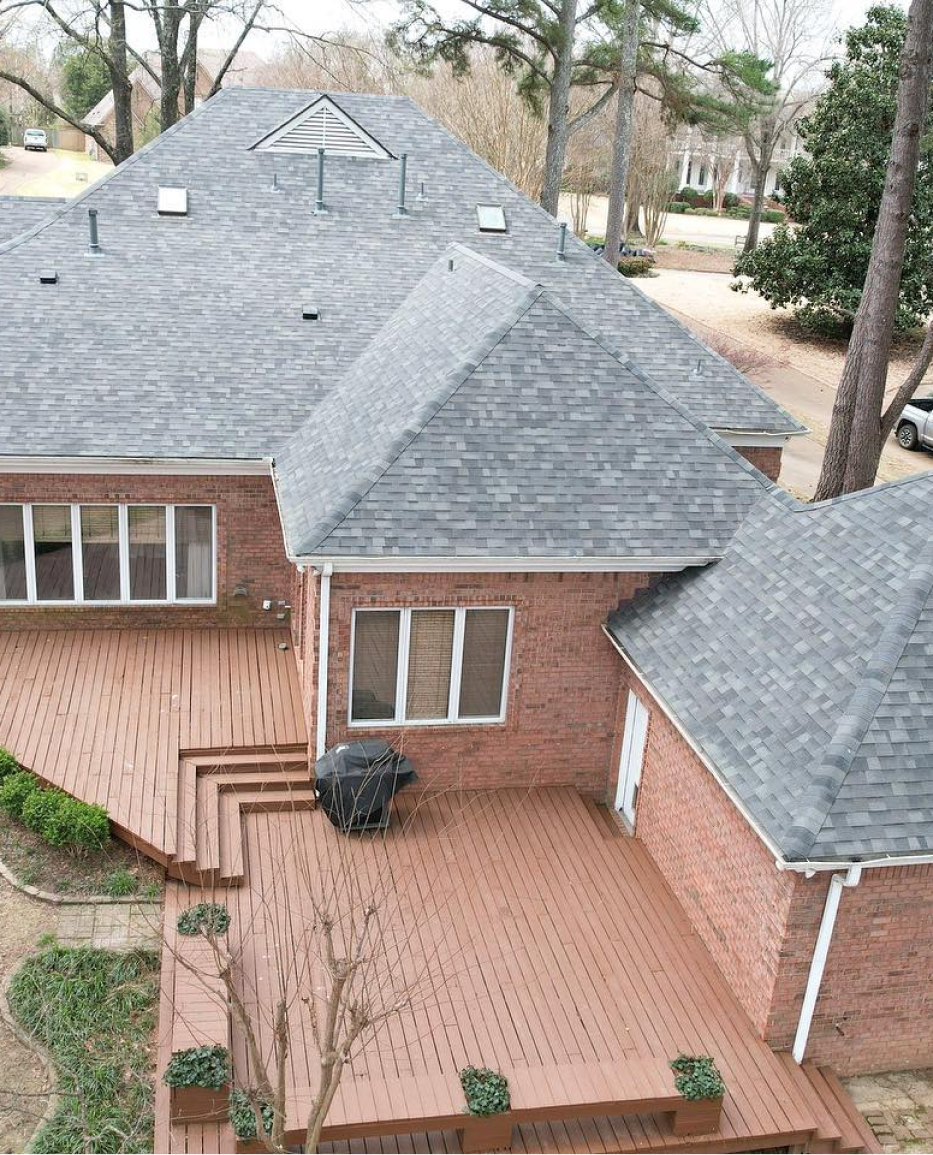
Steeper rooflines and hard-to-reach sections take more time and care to inspect properly, and that extra attention is built into how we approach your home. Roofs with complex angles or limited ground visibility are exactly where wear and damage tend to hide longest, so those areas get the closest look.
After the inspection, you receive a documented record of your roof’s condition that you can hold onto for your own reference, whether you are planning repairs, preparing to sell, or simply keeping track of your roof’s history over time. Having that record in hand gives you something concrete if questions come up later.
Part of the inspection accounts for how your roof’s age lines up with the wear patterns typical for Atoka-area weather conditions. A roof that has been through years of humid summers and active spring storm seasons ages differently than the calendar alone suggests, and understanding that gap helps you make better decisions about timing and next steps.
Roofs in this part of West Tennessee take a steady beating across the seasons, and the wear tends to build gradually rather than announce itself all at once. Fall is a natural time to get a clear picture of where your roof stands, especially after a full summer of heat and humidity working against shingles and seals. Catching a flashing gap or a soft spot now is far less expensive than discovering a leak after the weather turns. A professional inspection gives you accurate information about your roof’s actual condition so you can make decisions based on facts, not guesswork.
Miller Roofing and Renovations is familiar with what Atoka-area roofs go through and how to inspect them thoroughly. If you have been putting off a closer look at your roof, or if it has simply been a while since the last inspection, reaching out is an easy first step. We are glad to answer questions and help you find a time that works.
Got questions about your roof? We’ve got answers. From maintenance tips to insurance claims and repair timelines, our FAQ section covers the most common concerns homeowners have. Get informed and make confident decisions about protecting your home.
Most roof problems in this region develop quietly long before water shows up inside your home. Atoka’s frequent rainfall and humid summers create conditions where small flashing gaps or lifting shingle edges can allow moisture to spread through underlying layers without any obvious sign at the ceiling level. By the time you notice something inside, the issue has usually been building for a while. An inspection catches those problems at the stage where a repair is still straightforward.
Atoka sits in a stretch of West Tennessee that sees a consistent mix of heavy spring storms, high summer humidity, and rain spread fairly evenly across the year. That combination puts more cumulative stress on flashing seals and shingle edges than drier climates do, and it means moisture-related wear tends to advance faster on older roofs. Local inspectors who understand those specific weather patterns know where to look and what patterns of wear are common here rather than applying a generic checklist.
Steeper pitches and rooflines with multiple valleys or transitions are harder to see from the ground and take longer to inspect properly, but they are also the areas where debris collects, and damage tends to go unnoticed the longest. Valleys where two roof planes meet are especially prone to flashing failures and moisture buildup after heavy rain. A thorough inspection accounts for those harder-to-reach sections rather than focusing only on what is visible from street level.
We will be happy to assist you
