

 FREE ESTIMATE
 (901) 457-9405







 View All Reviews

consult with an expert
(901) 457-9405

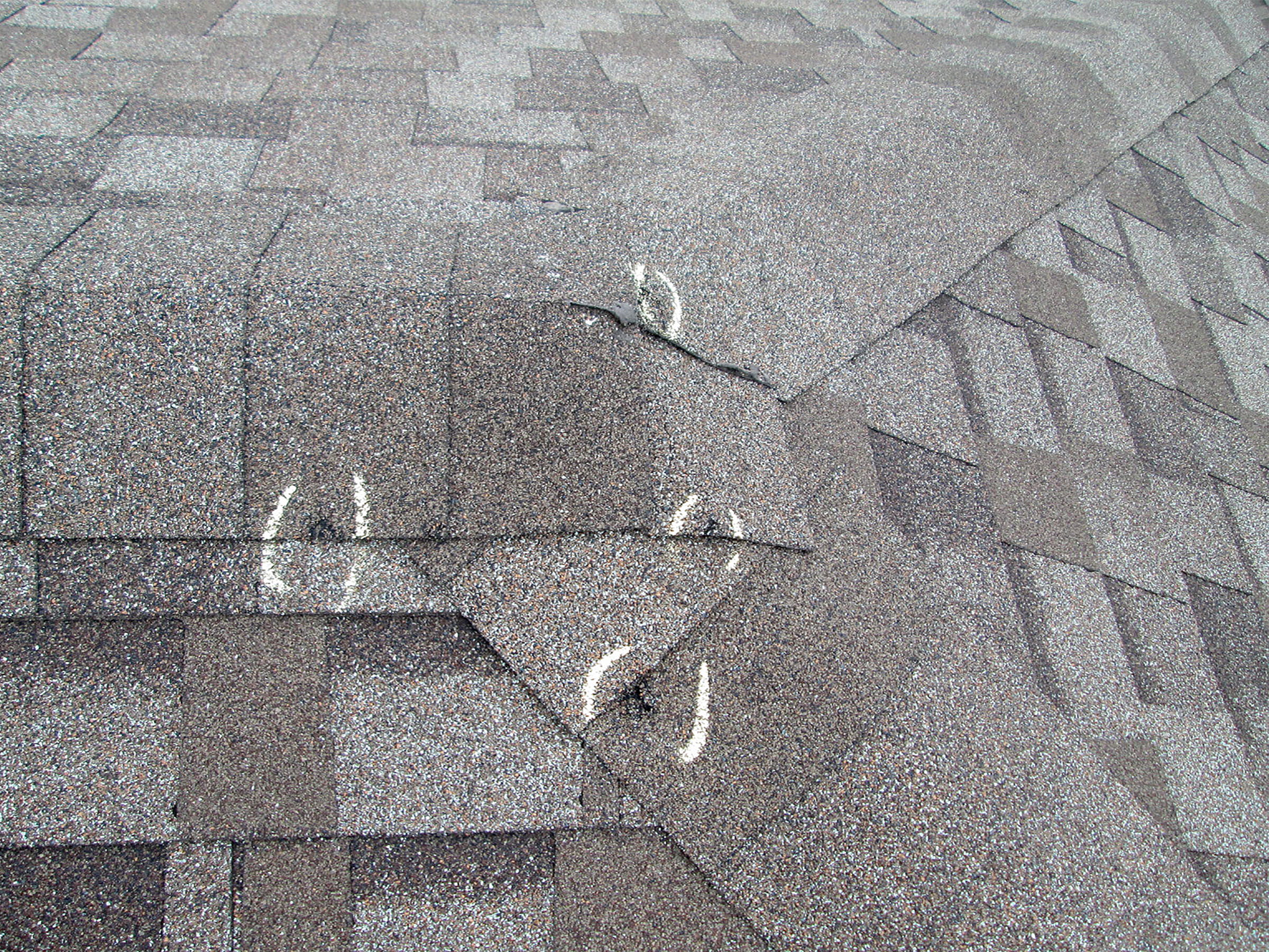
Atoka sits squarely in a part of West Tennessee where spring and summer storms roll through with real force. Hail, high winds, and heavy rain are a seasonal reality here, and asphalt shingle roofs take the brunt of it year after year. What makes hail damage particularly tricky is that it rarely announces itself. A storm passes, the sun comes back out, and your roof looks fine from the driveway. But up on the surface, shingles can be cracked, granules stripped away, and flashing compromised in ways that won't show up as a leak until the next round of heavy rain. With Tennessee seeing dozens of thunderstorm days each year, that next storm is never far off.
Granule loss is one of the most common issues homeowners in Atoka deal with after a hailstorm. Asphalt shingles can appear intact while quietly losing the mineral surfacing that protects them from UV exposure and moisture. Once that protection is gone, the shingle breaks down faster, especially through summer heat and the temperature changes that come with colder winter periods. Damage that starts small can work its way down through the underlayment and into the roof deck if it goes unaddressed long enough.
Miller Roofing and Renovations works with Atoka homeowners to inspect storm-affected roofs and make targeted repairs before minor impact damage turns into a larger problem. From replacing cracked shingles to resealing damaged flashing and lifting compromised edges, the focus is on protecting your home and extending the life of your roof through whatever the next storm season brings.
A clear process helps remove uncertainty from hail damage repairs, from the first inspection through the final review of completed work. Here is how Miller Roofing and Renovations handles hail damage roof repair from start to finish.
Hail does not hit every part of your roof equally. Certain areas absorb the most impact, and those are the spots most likely to develop leaks if repairs get delayed. Understanding where damage concentrates helps you know what a thorough inspection is really looking for.
| Roof Area | Common Hail Damage | Why It Matters |
|---|---|---|
| Ridges and hips | Cracked or displaced cap shingles | Exposed peak location takes direct impact with no overlapping shingles above for protection |
| Valleys | Granule loss, punctures, compromised seals | Water channels through valleys with every rain, so even minor damage speeds up the leak rthe |
| Flashing around vents and gaps | Lifted edges, broken seals, small cracks | Metal flashing flexes under impact and can separate from the surrounding shingles |
| Shingle field | Bruising, soft spots, surface granule loss | Damage here is rarely visible from the ground, but weakens the shingle's ability to shed water |
| Roof edges | Lifted tabs, bent drip edge | Edge areas catch wind and hail together, making them prone to both impact and uplift damage |
Older asphalt shingle roofs tend to show these effects more quickly after a storm. Once granules are gone and a shingle is bruised or cracked, temperature changes through summer heat and cooler winter periods accelerate the breakdown. Catching damage in these specific areas early keeps repairs focused and prevents the problem from spreading to the deck below.
When individual shingles are cracked, bruised, or stripped of granules, they are replaced rather than patched over, so the repair holds up through the next round of storms. Matching shingle type and profile to what is already on your home keeps the finished repair clean and consistent across the surface of the roof.
Metal flashing around vents, chimneys, and roof gaps is resecured and resealed where hail impact has lifted edges or broken the bond between metal and shingle. This is one of the most common sources of delayed leaks after a storm, and addressing it during the repair prevents water from finding its way in through gaps that are easy to miss.
Where shingles are being replaced, the underlayment and deck surface underneath are checked for moisture damage, soft spots, or compromised material before new shingles go down. Catching any hidden damage at the open roof stage means the repair is built on a solid foundation rather than layered over a problem that will surface later.
Roof edges take a combined hit from hail and wind during storms, which can bend drip edge metal and lift shingle tabs along the perimeter of your home. Repairing and resecuring these edge details protects the fascia board and deck from water running behind the drip edge, which is a small fix that prevents a much bigger repair down the road.
West Tennessee's storm seasons are consistent, and your roof faces that exposure every year. Addressing hail damage after it happens is what keeps a manageable repair from quietly growing into something that affects the deck, the underlayment, and eventually the interior of your home. The longer cracked shingles, lifted flashing, and surface bruising sit unrepaired heading into the next stretch of heavy rain, the more ground that damage can cover. Taking care of it now protects both your home and your investment in the property over the long run.
Miller Roofing and Renovations is ready to inspect your roof and make the repairs your home needs. If you have had a recent hailstorm or noticed signs of storm wear and want a closer look, reaching out to our Atoka team is a simple first step toward knowing exactly where your roof stands.
Got questions about your roof? We’ve got answers. From maintenance tips to insurance claims and repair timelines, our FAQ section covers the most common concerns homeowners have. Get informed and make confident decisions about protecting your home.
Yes, and this is one of the most important things to understand about hail impact on asphalt shingles. Once granules are knocked loose, the shingle surface is exposed to direct UV and moisture without its protective layer. Atoka summers are hard on roofing material even in good condition, so a shingle that has already taken a hit tends to break down significantly faster than an undamaged one, even if it never lets water through in a noticeable way.
Time does matter, but not in the way most people assume. Hail damage does not disappear or become irrelevant after a few weeks, but delayed repairs do give small cracks and compromised seals more opportunities to get worse through rain and temperature changes. In Atoka, where storms can come in clusters during spring and summer, a roof that went uninspected after one storm may be carrying hidden damage into the next one, which is when problems tend to escalate quickly.
Ridges sit at the highest exposed point of your roof with no overlapping shingles above them for any protection, so hail lands on them directly and with full force. Valleys are a different issue entirely: they funnel water from every rainstorm across the same surface, so even minor granule loss or a small crack in that area gets tested repeatedly with every storm that follows. A repair that overlooks these two areas while fixing the field of the roof is leaving the most vulnerable spots unaddressed.
We will be happy to assist you
