

 FREE ESTIMATE
 (901) 457-9405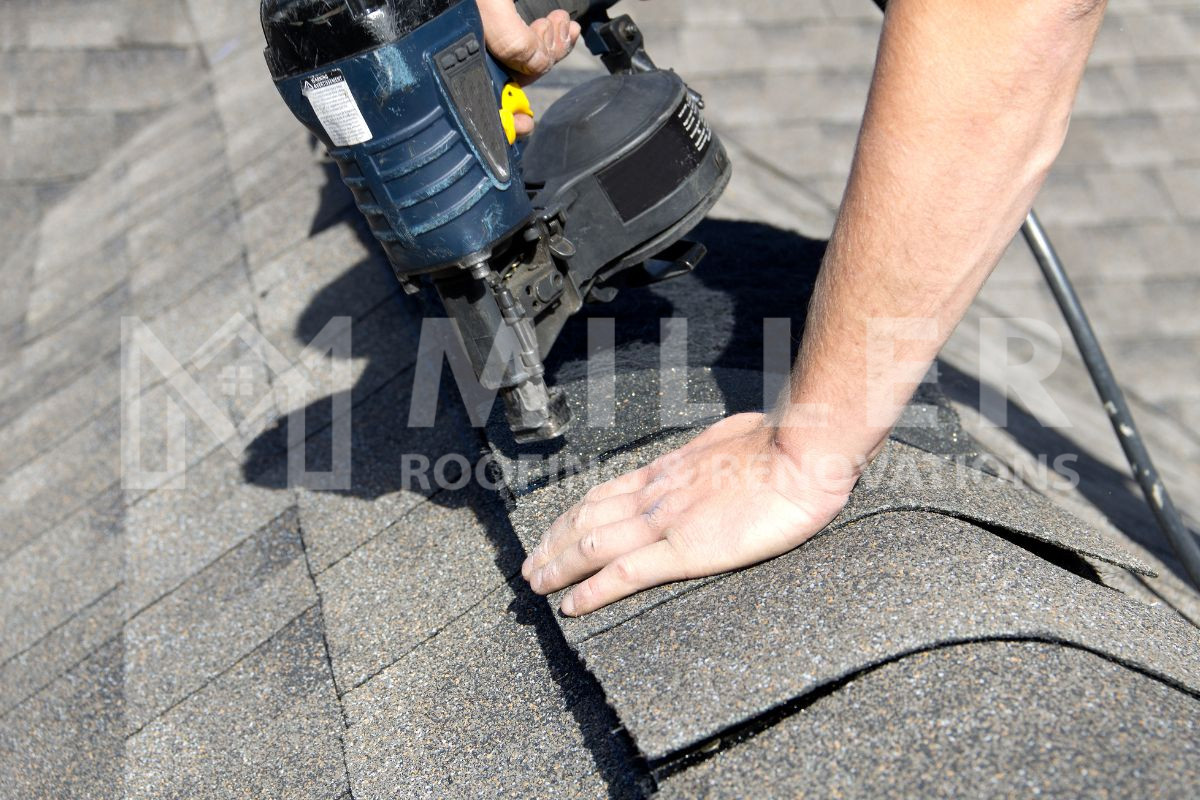










 View All Reviews

consult with an expert
(901) 457-9405

Arlington sits in Shelby County, where the weather puts roofs through a real workout year after year. Summers bring temperatures deep into the 90s paired with heavy humidity, which gradually breaks down asphalt shingles, causing granule loss, cupping, and cracking long before a roof reaches the end of its expected life. Add in around 50 inches of annual rainfall, much of it falling during intense spring and summer thunderstorms, and you have conditions that regularly produce lifted shingles, damaged flashing, and leaks that show up as ceiling stains inside your home. When those issues go unaddressed, water finds its way into the roof deck and framing, turning a straightforward repair into a much larger project.
Professional residential roof repair addresses these problems at the source before they spread. Whether the damage came from a strong storm rolling through, a tree branch that clipped a section of shingles, or years of slow wear around a chimney or vent, targeted repairs restore the protection your home depends on. Miller Roofing and Renovations works specifically in this area and understands how Arlington's weather patterns affect roofing materials through every season. That local experience shapes how repairs are approached, from re-sealing lifted shingle edges to re-flashing problem areas where moisture tends to concentrate over time.
Getting a clear picture of the process ahead of time helps reduce uncertainty when scheduling roof work. The following outline explains how Miller Roofing and Renovations manages a residential roof repair from initial evaluation through completion.
Arlington's mix of stormy summers, mild but unpredictable winters, and heavy tree cover creates a specific set of roofing problems that come up again and again. Understanding what causes these issues helps you recognize them early and act before a small repair turns into something bigger.
| Common Issue | Likely Cause | Typical Repair Approach |
|---|---|---|
| Lifted or missing shingles | High winds and strong thunderstorms | Re-nailing, re-sealing, or section replacement |
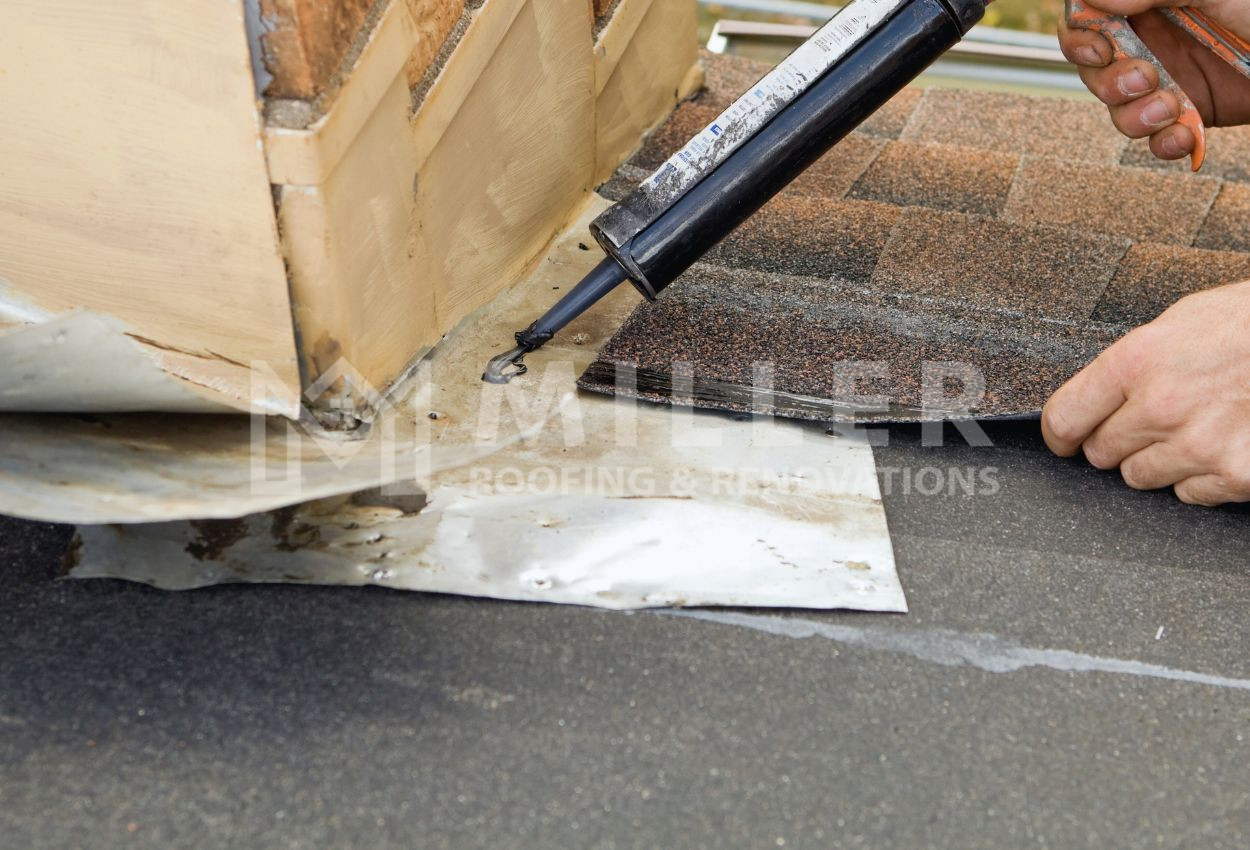
| Leaking around chimneys or vents | Deteriorated or improperly installed flashing | Re-flashing the gap or transition area |
| Cracked or cupped shingles | Thermal stress from summer heat and temperature changes | Spot repair or targeted section replacement |
| Nail pops are creating leak paths | Repeated expansion and contraction of roofing materials | Re-fastening and sealing affected shingles |
| Punctures or crushed shingles | Falling limbs and wind-blown debris | Localized patch or shingle replacement |
One pattern worth knowing: if you are seeing repeated leaks in the same spot after every storm, the problem is likely deeper than the surface shingles. Issues at valleys, eaves, or around gaps often point to underlayment wear or flashing that was never quite right, and those situations call for a more targeted re-flash or partial section repair rather than another round of surface patching.
Where asphalt shingles meet metal flashing around chimneys, skylights, and pipe boots, two different materials expand and contract at different rates, and that movement creates gaps over time. Repairing these transitions correctly means addressing both the flashing and the surrounding shingles as a system, not treating them as separate problems.
Ridge caps and drip edges take a direct hit from Arlington's strong winds and are often the first parts of a roof to show damage after a storm. Replacing these correctly restores the roof's outermost line of defense against wind-driven rain getting underneath the field shingles.
When surface shingles are removed during a repair, the underlayment beneath them gets inspected for tears, moisture damage, or deterioration from years of heat and humidity. If the underlayment in that section is compromised, it gets replaced before new shingles go down, so the repair actually holds long-term instead of masking a deeper problem.
Arlington's tree cover means falling limbs and wind-driven debris are a regular source of localized damage, from crushed shingle tabs to cracked roof decking in a small area. These impact repairs are handled as targeted fixes, preserving the surrounding roof rather than pulling materials that are still in good shape.
The combination of hot, humid summers and year-round rainfall means Arlington roofs are constantly working against conditions that wear materials down. Heat accelerates shingle breakdown, heavy rain finds every weak point, and temperature changes from season to season keep fasteners and flashing in constant movement. Addressing repairs while the affected area is still limited keeps your home protected and avoids the kind of expense that comes from letting water reach the roof decking or framing underneath.
If you have noticed ceiling stains, lifted shingles, or a flashing area that looks like it has shifted, reaching out to Miller Roofing and Renovations is a straightforward next step. A roof inspection gives you a clear picture of what is actually happening up there and what it takes to fix it. From there, the decision is entirely yours.
Got questions about your roof? We’ve got answers. From maintenance tips to insurance claims and repair timelines, our FAQ section covers the most common concerns homeowners have. Get informed and make confident decisions about protecting your home.
It can, if the repair is not done with that environment in mind. High humidity slows the curing and sealing process for certain adhesives and roofing materials, which is why timing and technique matter during installation. A repair done correctly accounts for surface conditions at the time of the work, ensuring new shingles and sealants bond properly rather than failing prematurely when the next round of summer storms arrives.
Yes, and it is something homeowners in older Arlington neighborhoods often run into without realizing it. Multiple shingle layers affect how new materials sit and seal, and they can hide underlayment problems that only become visible once the surface is opened up. A repair in that situation may involve removing the layered section rather than patching over it, which gives the fix a much better chance of holding long-term.
If water keeps coming back to the same area after repairs, the surface shingles are rarely the root cause. Valleys, eave edges, and spots around chimneys or vents that leak repeatedly usually point to flashing that was installed incorrectly at some point or underlayment that has worn through in that section. Addressing those underlying issues directly, rather than re-sealing the surface again, is what stops the cycle.
We will be happy to assist you
