

When it comes to your roofing system, it pays to do your homework to select the best type of roof and roofing contractor for the job.

Request Service call(901) 457-9405
Roofing Solutions for Memphis

Residential Roof Inspection in Arlington, TN

5.0 Stars - Based on 219 User Reviews

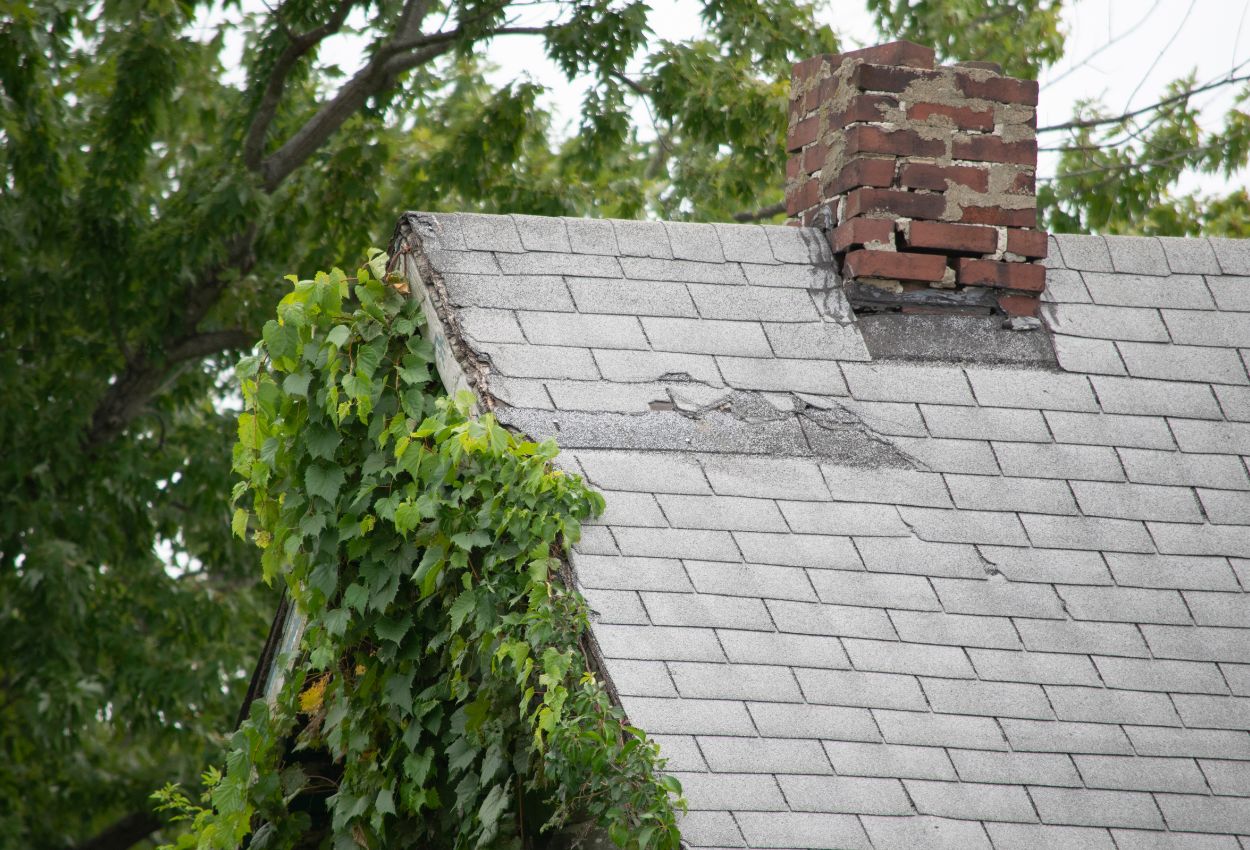
Arlington homeowners deal with some genuinely tough weather. The summers bring high humidity and heavy rain that can push moisture under shingles and into the roof decking below. Winters swing the other direction, with temperature changes that cause roofing materials to expand and contract repeatedly over the season. Asphalt shingles get brittle. Metal roof seams shift. Flashing loosens. Over time, these small changes add up, and what starts as minor wear can quietly turn into a leak that damages your ceilings, insulation, and framing before you ever notice a thing.

A complete residential roof inspection gives you a clear picture of where your roof stands before small problems become expensive ones. Whether your home is part of an older Arlington neighborhood with mature trees and aging materials, or a newer development where installation quality still needs a second set of eyes, catching early signs of wear protects your investment and keeps your home looking and performing the way it should.

Miller Roofing and Renovations works specifically in this area, which means the team understands what local roofs go through year after year. That local knowledge makes a real difference when it comes to spotting the kinds of wear patterns that are common here and knowing exactly what to look for on every part of your roof.

How a Roof Inspection Works in Arlington, TN

The systematic evaluation of a residential roofing system involves a deliberate sequence of logistics, on-site diagnostics, and data reporting to establish a maintenance roadmap.

  • Step 1: Logistics and Site Readiness. The process initiates with the coordination of a site visit that minimizes interference with the property owner’s daily activities. Technicians identify specific entry requirements, such as security codes or the presence of domestic animals, to ensure immediate access to all relevant areas upon arrival. This preparatory phase ensures the inspection team is fully equipped to begin the assessment without delay.
  • Step 2: Field Survey. An inspector performs a detailed physical examination of the primary barrier components, including shingles, flashing, and gutters. The survey extends to peripheral elements such as soffits, fascia boards, and attic ventilation systems to verify the structural integrity of the entire building. Technicians search for material weathering, edge lifting, and early indicators of leaks to identify vulnerabilities before they escalate into structural failures.
  • Step 3: Data Capture and Visual Cataloging. Objective evidence is collected through a series of photographs and technical notes that record the current state of each component. This cataloging creates a verifiable record of the structure’s physical condition, providing the property owner with a clear view of specific wear patterns or damage. This factual documentation removes ambiguity and serves as a precise reference for all other findings.
  • Step 4: Diagnostic Review and Interpretation. The gathered data is analyzed to provide a technical assessment of the roof’s functional status. If the system is currently secure and requires no intervention, this status is clearly documented. All suggestions for labor or material replacement are derived strictly from the observed physical evidence, ensuring that any proposed scale of work is technically justified and limited to necessary requirements.
  • Step 5: Strategic Maintenance Planning. Based on the diagnostic results, a definitive plan is established for the ongoing management of the structure. If immediate corrective actions are warranted, the technical options and recommended timelines are defined. If the system is stable, the focus shifts to defining monitoring intervals and identifying specific indicators for future review. This concluding stage provides a clear trajectory for preserving the long-term viability of the roof.

What Gets Inspected on Arlington, TN, Roofs

A residential roof inspection covers more ground than most homeowners expect. Each roofing material reacts differently to the weather conditions in this area, so inspectors look for specific wear patterns depending on what your roof is made of and how old it is.

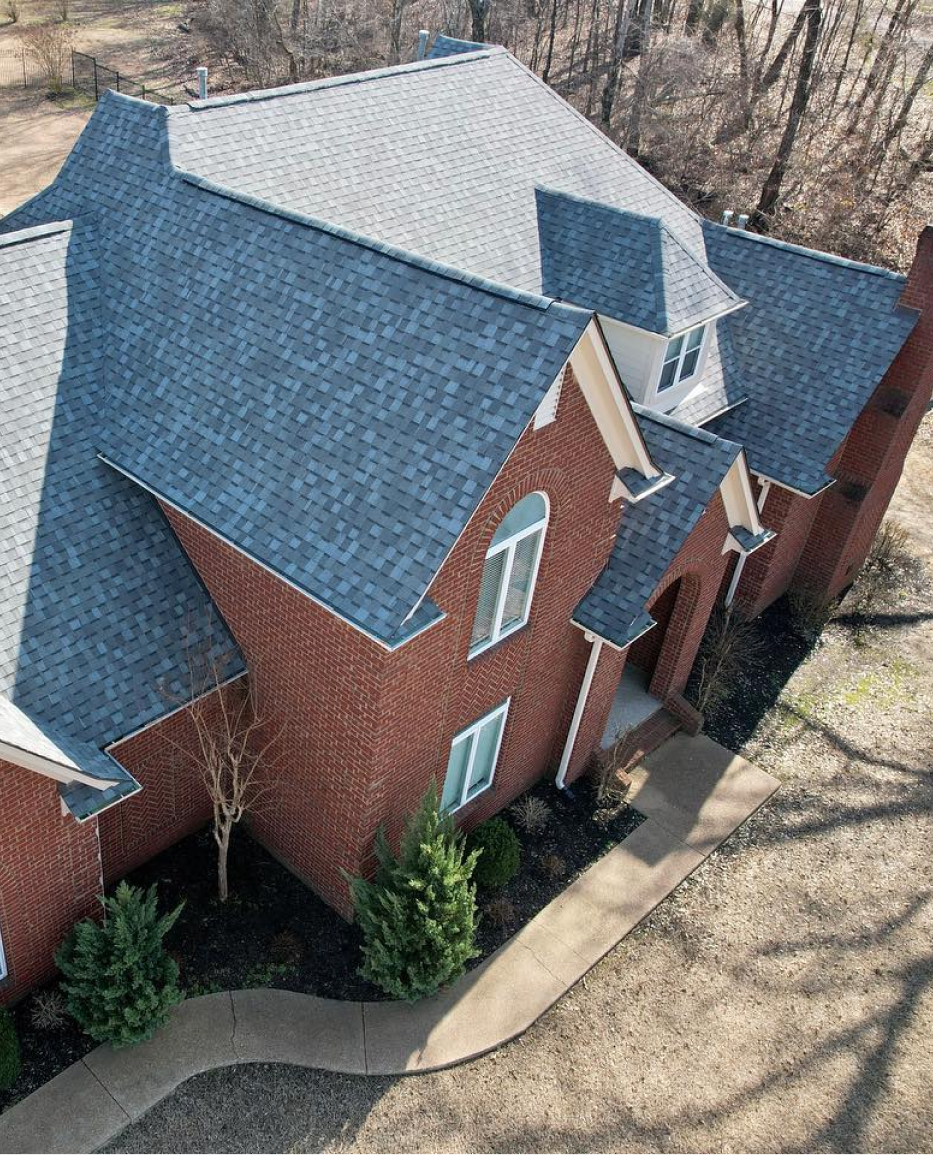
  • Asphalt shingle condition: Granule loss is one of the most common findings in this area. Summer heat and humidity accelerate surface wear, and shingles that have shed significant granules are closer to failure than they appear from the ground.
  • Metal roof panels: Inspectors check for uplift along seams and edges, which can occur after high winds move through the area and create gaps that allow water to work underneath the panels.
  • Tile and slate surfaces: Extended rain exposure can cause cracking over time. Inspectors look for fractures, displaced tiles, and areas where mortar or underlayment may be compromised.
  • Velux skylight seals and flashing: Temperature changes between summer and winter put real stress on skylight seals. Inspectors check for gaps, separation, and any signs of water tracking around the frame.
  • Gutters and fascia board flashing: On newer construction, especially, improper flashing installation around gutters and fascia board is a common finding that can lead to leaks if left unchecked.
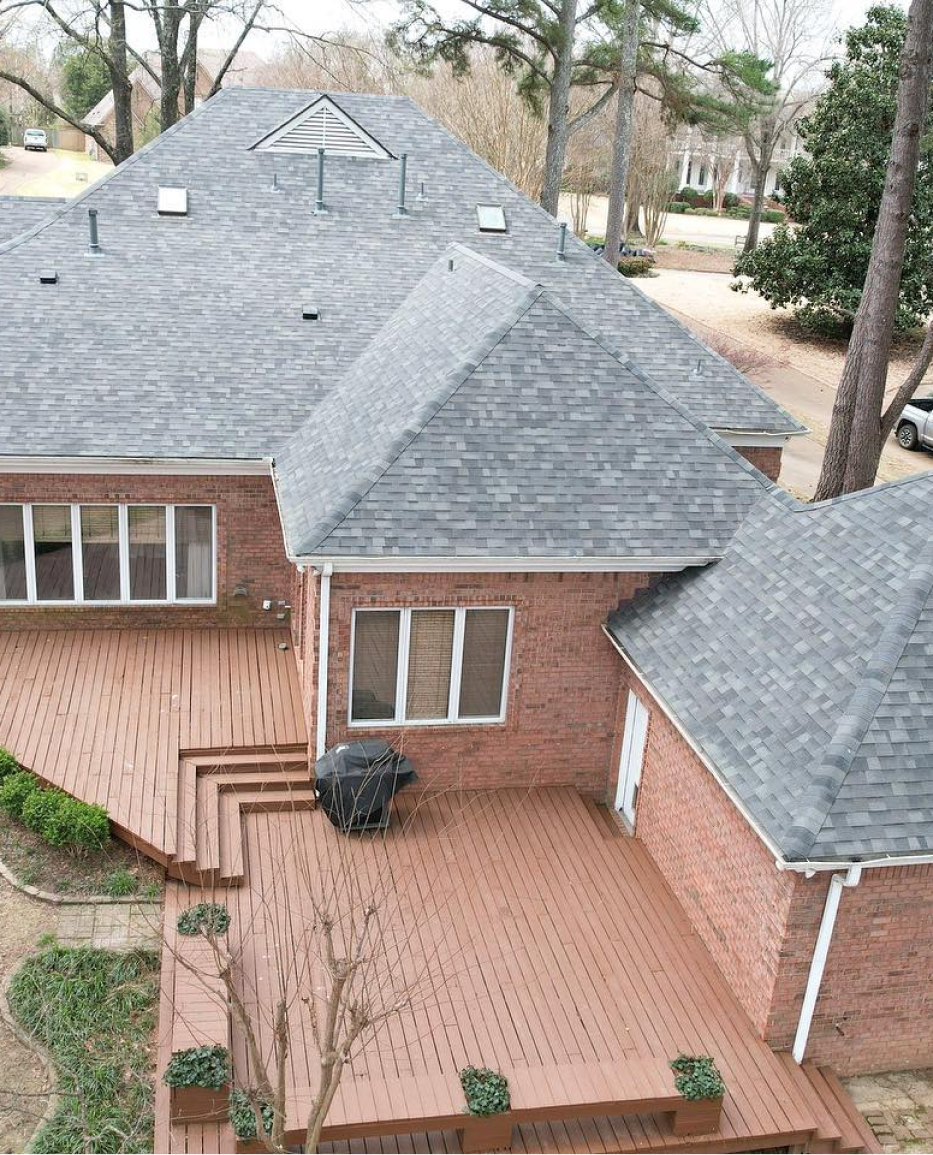
  • Attic ventilation: Poor ventilation traps humidity and accelerates deterioration from the inside out. This check is especially relevant given how much moisture the local climate produces through spring and summer.

If you notice loose material on the ground after a windy stretch, visible shingle damage, or minor leaks after rain, those are signals that an inspection should not wait. Annual inspections after storm season are a practical way to catch issues before summer brings the next round of heavy weather.

Protect Your Home's Value in Arlington, TN

Arlington’s weather puts real strain on residential roofs year after year. The combination of humid summers, heavy seasonal rain, and repeated temperature changes through winter means wear builds gradually, often in places you can’t see from the ground. A professional inspection gives you an honest look at where things stand before minor wear turns into an expensive repair. It also protects your property value and keeps your home performing the way it should for the long term.

Miller Roofing and Renovations is a local team that knows this community and gives Arlington, TN homeowners straight answers about what their roof actually needs. When you’re ready to get a clear picture of your roof’s condition, reach out to schedule your inspection.

Frequently Asked Questions

Got questions about your roof? We’ve got answers. From maintenance tips to insurance claims and repair timelines, our FAQ section covers the most common concerns homeowners have. Get informed and make confident decisions about protecting your home.

What does Arlington's tree canopy actually do to a roof over time?

Mature trees are one of the biggest factors in how quickly a roof wears in this area. Overhanging branches drop debris that holds moisture against shingles, shade slows drying after rain, and algae growth tends to accelerate in those damp, shaded zones. During an inspection, we pay close attention to sections of the roof that sit under or near tree coverage because they often show wear well ahead of more exposed areas.

How do I know whether I need a repair or a full replacement after an inspection?

The answer comes down to how much of the roof is affected and how far the underlying roof decking has been compromised. If damage is limited to specific areas and the roof decking is still solid, targeted repairs are usually the right call. When deterioration is widespread or moisture has worked into the structure itself, a full replacement tends to be the more practical option and the better long-term value.

Is there anything I should do before the inspector arrives to make the visit more productive?

Clearing access to your attic hatch ahead of time is one of the most helpful things you can do. Attic ventilation and any signs of moisture tracking from the inside are part of every inspection, and being able to get up there without delay keeps things moving. If you’ve noticed anything unusual, like staining on a ceiling or spots where the roof line looks off, jot it down so you can point those out directly.
Testimonials

WHAT OUR CLIENTS HAVE TO SAY

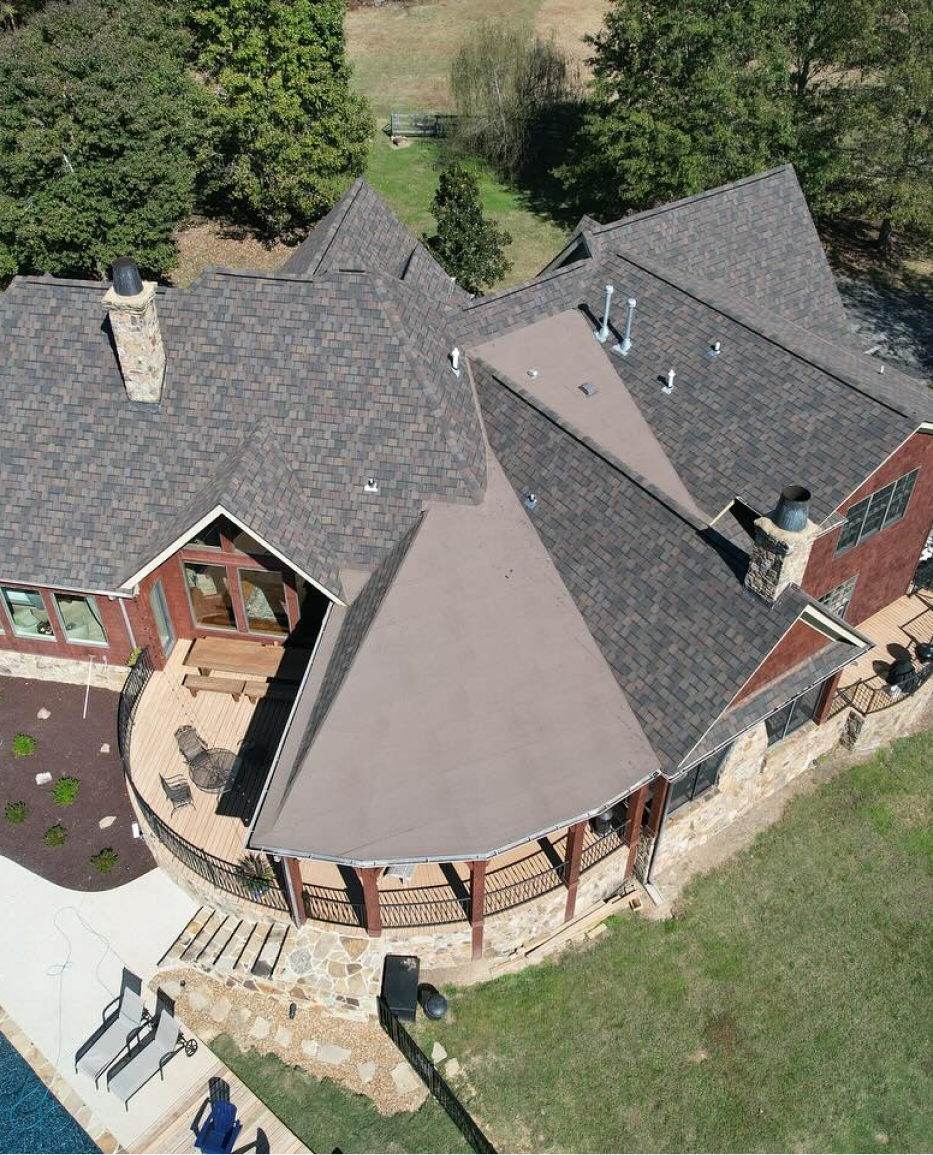
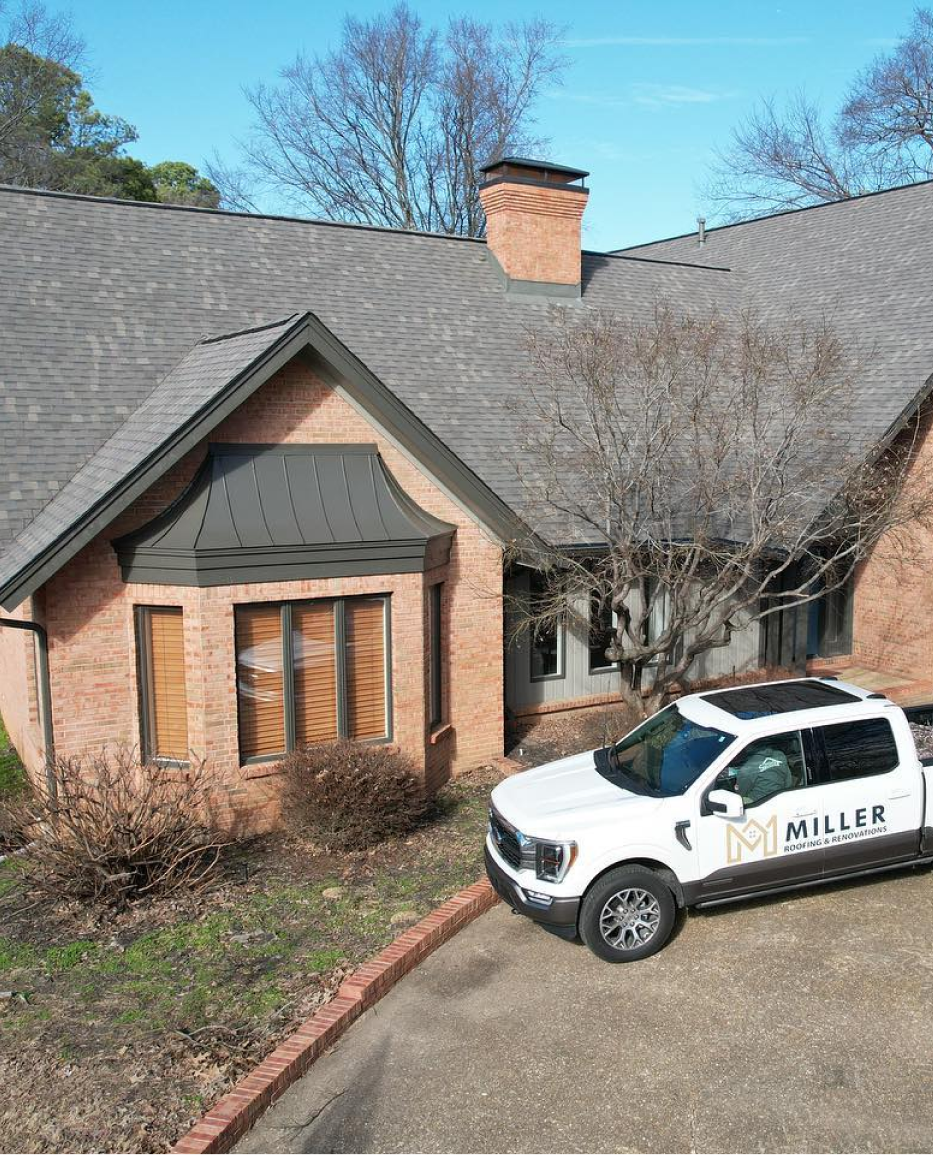
Aerial view of luxury home with curved wraparound deck and asphalt shingle roof Modern brick house with Miller roofing truck parked in driveway under blue sky Aerial view of brick house with blue asphalt shingle roof and dormers Miller Roofing white pickup truck parked in front of brick house with dormers Aerial view of brick house with gray shingle roof and wooden deck Miller Roofing white pickup truck parked in front of brick house with dormers

Don't settle for just anyone to work on your roof!

  • We are local & experienced
  • Trusted by your neighbors
  • Proud partners with industry leaders

get in touch

We will be happy to assist you

Contact Form

This field is for validation purposes and should be left unchanged.
Address