

 FREE ESTIMATE
 (901) 457-9405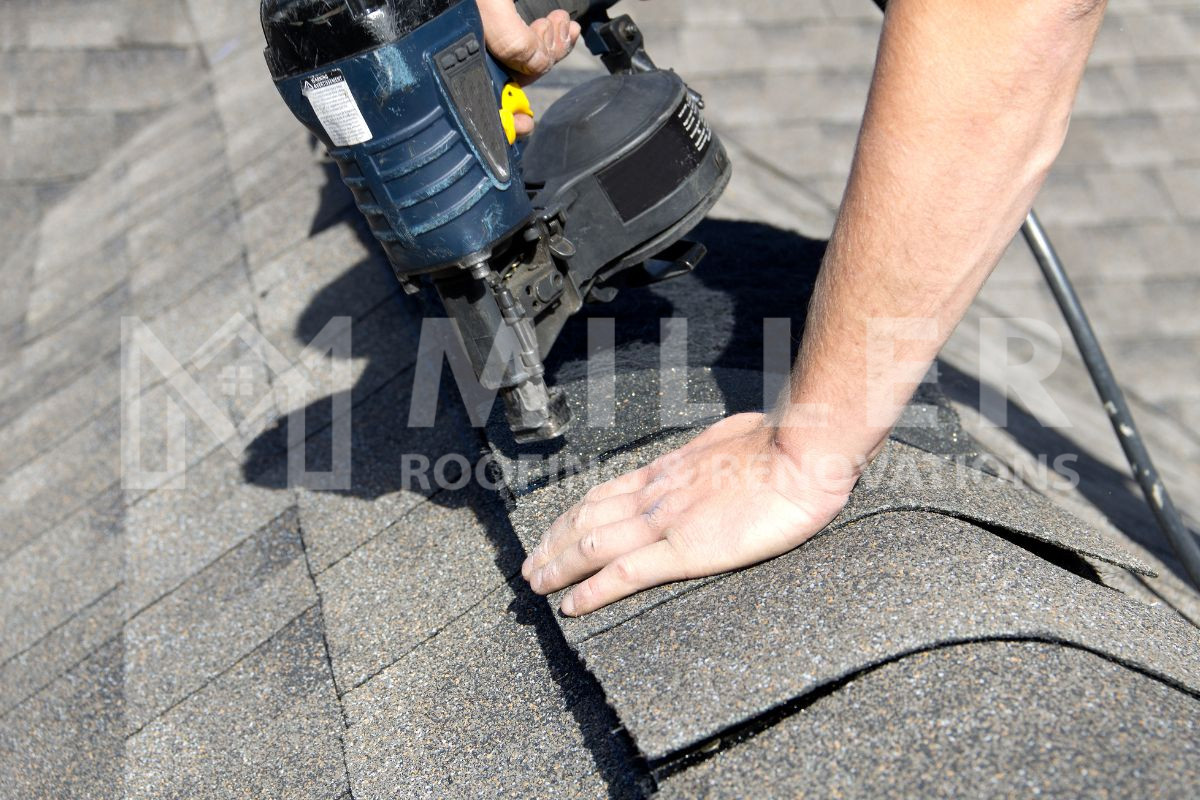









 View All Reviews

consult with an expert
(901) 457-9405

Memphis puts roofs through a lot. Summers push temperatures into the 90s, winters drop below freezing, and the area receives around 50 inches of rain each year, with spring storms that can be relentless. That constant cycle of heat, humidity, and moisture ages roofing materials faster than most homeowners expect. Asphalt shingles crack and curl sooner, sealants around vents and chimneys break down, and flashing systems that looked fine in the fall can start letting water in by spring. On top of that, Memphis has a large share of older homes, many built decades ago with roofing systems that have already lived a full life. Even a well-maintained roof on an older house will need repairs done by a professional roofing crew regularly, not because of neglect, but because of the environment it lives in.
Getting ahead of those repairs matters. A small leak or a few missing shingles might not seem urgent, but Memphis humidity gives minor damage very little time before it becomes something much bigger. Moisture works its way under shingles, organic growth traps water against the surface, and what started as a simple fix turns into rotted roof decking or damaged interior ceilings. Miller Roofing and Renovations works with Memphis homeowners who want straight answers about what their roof actually needs and a repair done right the first time. Knowing the local conditions and the specific ways they wear on a roof makes a real difference in the quality of the work and the protection it provides your home.
Roof issues often create uncertainty, but the process itself is straightforward when it is broken down clearly. Here is how Miller Roofing and Renovations handles a service call from start to finish.
Memphis weather creates a specific set of problems for residential roofs, and knowing what to watch for can help you catch damage early before it gets out of hand. The combination of seasonal temperature changes, persistent humidity, heavy spring rainfall, and a large stock of older homes means certain repair issues come up again and again for local homeowners.
| Repair Issue | Common Cause in Memphis | Why It Needs Quick Attention |
|---|---|---|
| Loose or missing shingles | Repeated expansion and contraction from temperature changes weaken fasteners over time | Exposed roof decking deteriorates quickly in humid conditions |
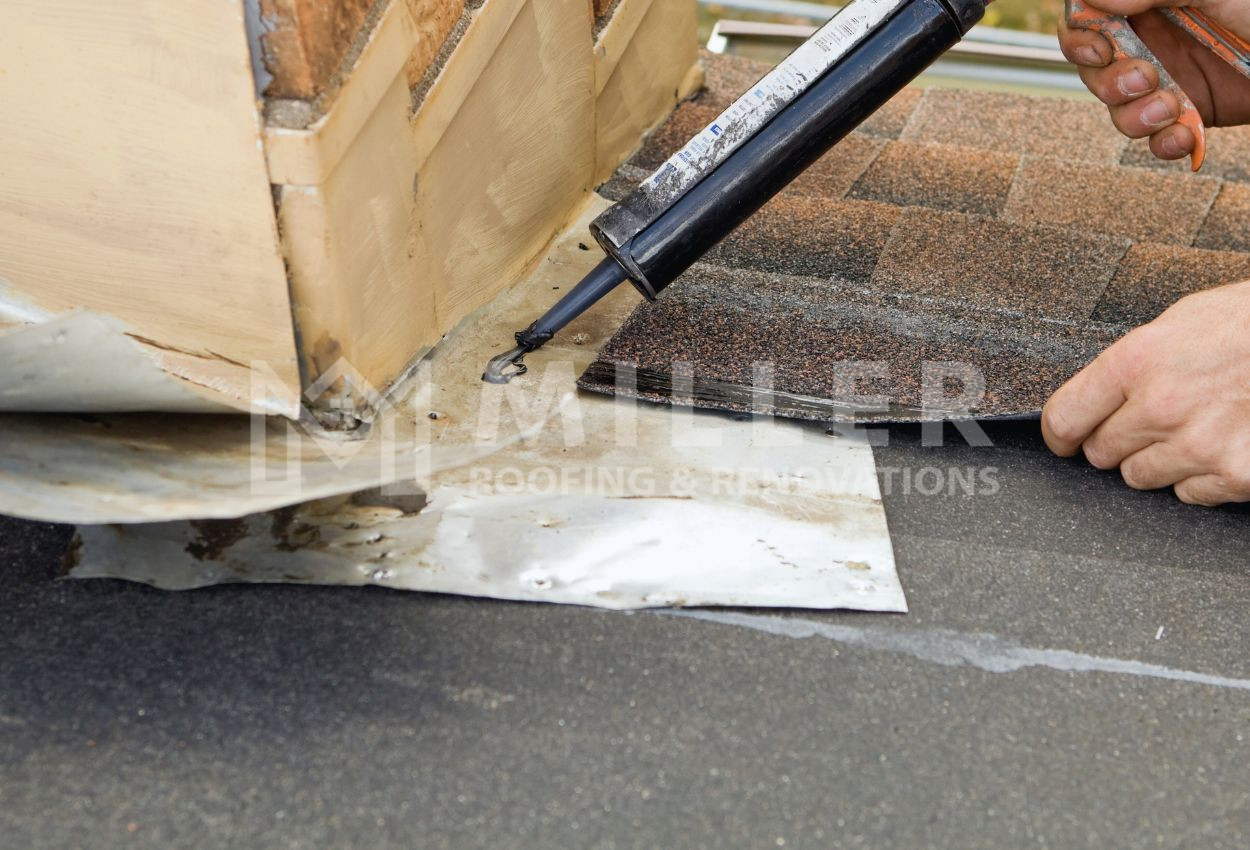
| Failing flashing around vents and chimneys | Sealant breakdown from thermal movement and moisture exposure | Water follows gaps directly into the home's interior |
| Leaks that appear days after a storm | Wind-driven rain forces water under shingles and through flashing seams | Delayed symptoms mean damage is often further along than it appears |
| Shingle deterioration from moss and algae | High humidity creates ideal conditions for organic growth on roof surfaces | Trapped moisture accelerates surface damage and makes existing weak spots worse |
| Fascia boards and soffit rot near eaves | Clogged gutters cause water to back up under the eave flashing | Hidden rot is often only found during repair work, making early gutter attention important |
Older Memphis homes add another layer of complexity. Roofs that have been patched multiple times can make material matching difficult, and repeated repairs on an aging system sometimes reveal that a broader repair strategy is needed rather than another targeted fix.
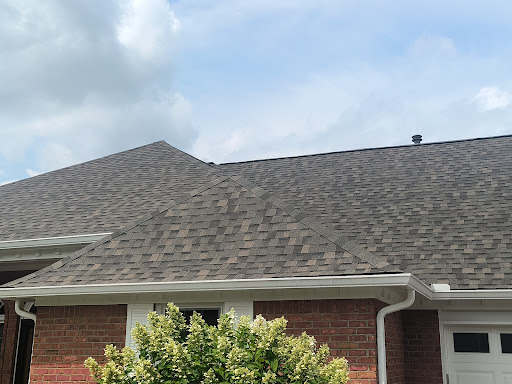
Many Memphis homes have roofing systems that have been repaired or partially replaced over the years, which makes finding materials that blend correctly a real challenge. Miller Roofing and Renovations sources shingles and roofing materials carefully to match your existing roof in profile, color, and texture, so repairs don't leave your home looking patched together.
Vents, chimneys, skylights, and pipe boots are common entry points for water, especially as sealants break down from Memphis's temperature swings and year-round moisture. Repairing or replacing flashing at these gaps and applying fresh sealant restores the watertight barrier your roof depends on to keep water out of your home's interior.
When organic growth is present on your roof’s surface, it has to be cleared before any shingle repair begins. You're repairing on top of a surface that's still holding moisture and continuing to deteriorate. Removing moss and algae as part of the repair process protects the work that follows and gives replaced shingles a clean surface to bond and perform correctly.
Gutter-related water backup is one of the more hidden sources of damage on Memphis homes, quietly causing rot in fascia board and soffit areas that often only show up once a crew is already on the roof. Checking gutter attachment and eave flashing condition during a repair visit means problems in these areas get flagged before they turn into a separate and more expensive project down the road.
Memphis weather doesn't give roofs a break, and the longer a repair gets pushed back, the more the local conditions work against you. Heat and humidity accelerate what starts as surface-level damage, and with spring rainfall arriving reliably each year, small vulnerabilities rarely stay small. Addressing repairs on your own schedule, rather than waiting until water shows up on your ceiling, keeps the work manageable and protects the value of your home.
Miller Roofing and Renovations is straightforward to work with. You'll get an honest inspection, a clear explanation of what needs to be done, and a crew that takes the repair seriously from start to finish. If you have questions about something you noticed on your roof or want someone to take a look before the next round of spring storms rolls in, reaching out is a simple first step.
Got questions about your roof? We’ve got answers. From maintenance tips to insurance claims and repair timelines, our FAQ section covers the most common concerns homeowners have. Get informed and make confident decisions about protecting your home.
This is one of the more confusing things Memphis homeowners run into, and it happens because wind-driven rain during heavy spring storms can force water through flashing seams and under shingles without creating an obvious surface breach. That water travels along the roof decking and framing before it finds a low point and becomes visible inside. By the time you notice it, the water has often been sitting in the structure for days, so getting a roof inspection done quickly after any significant storm is worth doing, even when nothing looks wrong from the ground.
There is, and it comes down to what the rest of the roof looks like around the damage. Older Memphis homes with multiple generations of patchwork can reach a point where the underlying materials are too degraded to hold a new repair properly, and repairing one area can shift stress to weaker sections nearby. A thorough inspection will tell you whether the surrounding roof has enough life left to make targeted repairs a sound investment, or whether the repair costs are climbing toward the range where a full replacement makes more practical sense.
In Memphis's humidity, it goes well beyond appearance. Organic growth holds moisture directly against shingle surfaces, and that trapped moisture accelerates deterioration far faster than sun and rain exposure alone would. Granule loss speeds up, shingles become brittle, and any existing weak spots in the surface break down more quickly. That is why treating and removing growth before doing shingle repairs matters. Skipping that step means the new materials are sitting on a surface that is still actively working against them.
We will be happy to assist you
