

 FREE ESTIMATE
 (901) 457-9405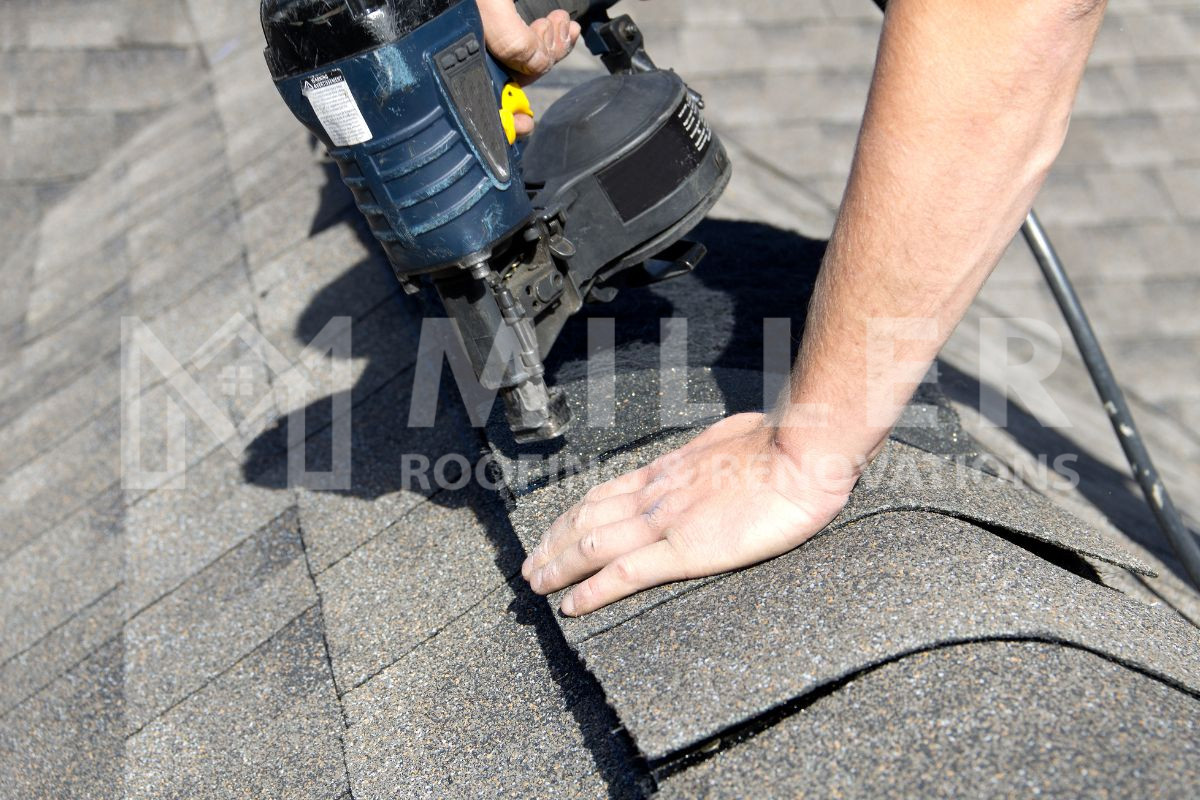










 View All Reviews

consult with an expert
(901) 457-9405

Lakeland sits in the heart of the Memphis metro area, where the weather keeps homeowners on their toes year-round. Summers push into the 90s, winters bring enough chill to stress sealants and roofing materials, and spring arrives with heavy rain that tests every roof on the block. The region sees around 50 inches of rainfall annually, spread across more wet days than most homeowners realize, and that consistent moisture is what separates roofing concerns here from drier parts of the country. One thing that catches many Lakeland homeowners off guard is how a leak can begin at one spot on the roof and not show up inside the house until days later, after water has already traveled through the roof structure. By then, what started as a minor issue can quietly become a much larger repair job.
That's exactly why staying ahead of roof problems matters so much in this area. Miller Roofing and Renovations works with homeowners throughout Lakeland who want a straightforward answer about what their roof actually needs, whether that's a flashing repair around a chimney, a section of damaged shingles after a spring storm, or addressing wear that's built up over time. The goal is always to protect your home before a small problem earns a much bigger price tag. If you're not sure where to start, learning more about what residential roof repair involves can help you know what questions to ask. Knowing the local weather patterns, the housing stock in the area, and how roofs hold up in this specific climate makes a real difference in how repair work gets done and how long it lasts.
Understanding the process from beginning to end removes uncertainty and helps you make informed decisions about your home.
Lakeland's weather creates a specific set of conditions that show up repeatedly in residential roof repairs across the area. Understanding what causes these problems, and how serious each one can become, helps you make smarter decisions about timing and priorities.
| Repair Issue | Common Cause in Lakeland | Why It Needs Quick Attention |
|---|---|---|
| Damaged or missing shingles | Spring storm wind and impact from debris | Exposed roof decking absorbs moisture quickly in high-humidity conditions |
| Flashing failures | Temperature changes weaken sealant around chimneys and vents | Gaps allow water to travel deep into the roof structure before appearing inside |
| Granule loss and shingle deterioration | Heat, humidity, and algae growth accelerate surface wear | Thinning shingles lose their ability to shed water effectively |
| Debris buildup in valleys | Mature trees drop leaves that decompose and trap moisture against shingles | Concentrated moisture accelerates shingle breakdown in low-slope areas |
| Ventilation-related deck damage | Poor attic airflow traps humidity year-round in older homes | Repairs made without correcting ventilation tend to fail earlier than expected |
Most of these issues are repairable when caught early. The challenge in this area is that damage often develops quietly, which is why getting your roof inspected after a significant storm, and again each fall before debris season peaks, goes a long way toward protecting your home before repairs become more involved.
Nearly every residential roof in Lakeland is covered with asphalt shingles, and that's all we work with day in and day out. That focused experience means faster diagnosis, better material matching, and repairs that blend cleanly with your existing roof instead of standing out like a patch job.
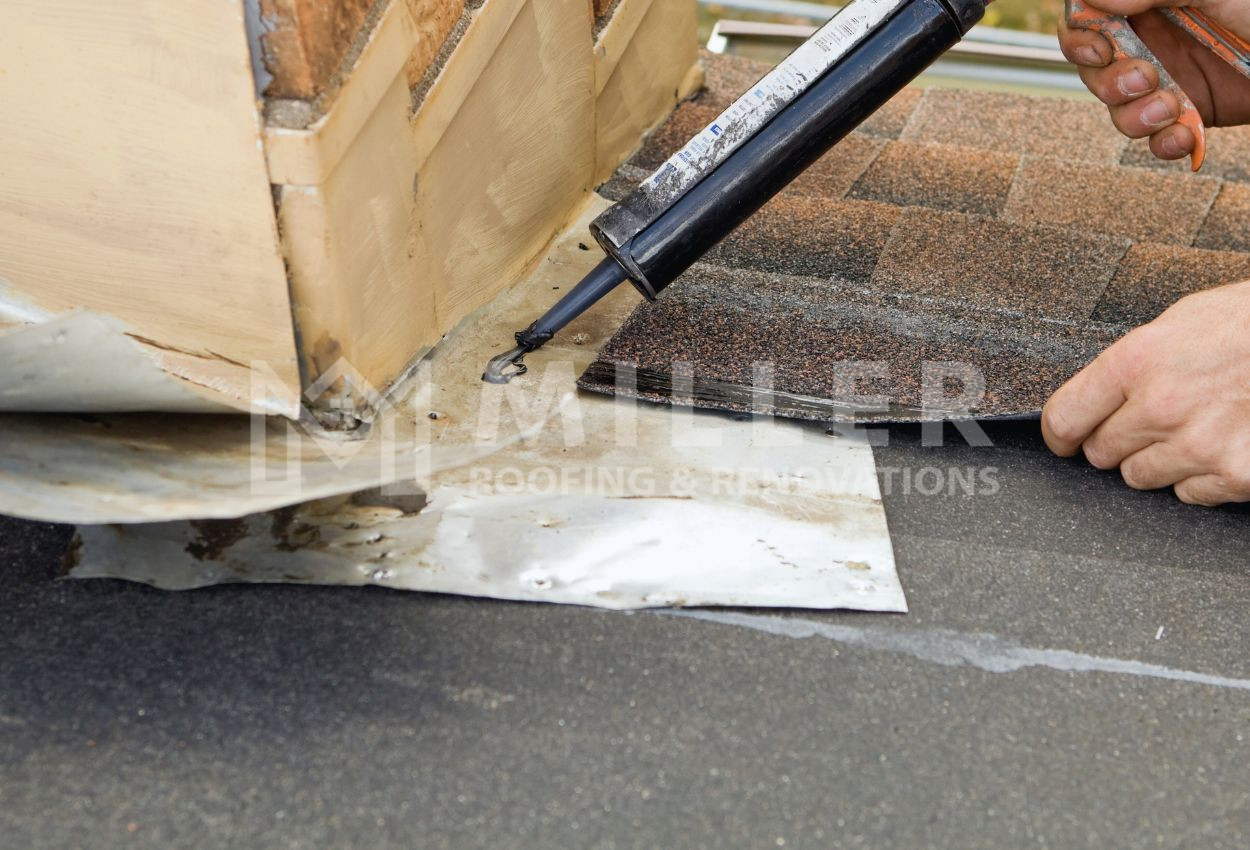
Chimneys, vents, skylights, and pipe boots are the spots where leaks quietly get their start, especially as temperature changes soften and crack the sealants that hold flashing in place. We address both the flashing itself and the sealing around it so water doesn't find its way back in through the same opening.
When repair work opens up access to the roof structure, it's the right time to confirm that your attic is breathing the way it should. Poor ventilation traps moisture against your roof decking year-round, and in Lakeland's humidity, that can quietly undo a repair that looked solid from the outside.
Roof valleys and the points where your roof meets the gutter system take on a disproportionate share of water during heavy spring rain. We repair deteriorated valley flashing and address areas where debris accumulation has damaged the roofing material, so water moves off your roof the way it's supposed to instead of pooling where it causes the most harm.
Roofs in this area deal with a steady rotation of wet springs, humid summers, and winters that do just enough to stress older materials and sealants. That combination adds up over time, and the homes that hold up best are the ones where small problems get addressed before they quietly work their way deeper into the structure. Keeping your roof in good shape isn't about overreacting to every storm, it's about protecting the investment you've already made in your home and avoiding the kind of repairs that come with a much bigger price tag.
If you've noticed a damp spot on the ceiling, missing shingles after a rough stretch of weather, or you simply haven't had your roof looked at in a while, Miller Roofing and Renovations is ready to help. We serve homeowners across the Lakeland area and are familiar with the specific conditions that affect roofs here. Reach out whenever you're ready, and we'll take a straightforward look at what your roof actually needs.
Got questions about your roof? We’ve got answers. From maintenance tips to insurance claims and repair timelines, our FAQ section covers the most common concerns homeowners have. Get informed and make confident decisions about protecting your home.
This is one of the most common surprises for homeowners in the Lakeland area, and it has to do with how water moves once it gets past the shingle layer. In a humid climate with heavy seasonal rain, water can travel along the roof deck, rafters, or insulation for several feet before it finds a gap and drips into your living space. By the time you notice a wet ceiling, the entry point may be well away from where the damage actually shows up, which is why a post-storm inspection is worth doing even when everything looks normal from the inside.
It comes up more than most homeowners expect, especially in older Lakeland homes that were built before modern ventilation standards became common. If your attic isn't moving air properly, trapped moisture works against the roof decking and framing beneath your shingles year-round, and a repair made on top of a ventilation problem tends to wear out sooner than it should. We'll flag the issue and explain what it means for the longevity of the repair so you can decide whether to address it at the same time or plan for it separately.
In neighborhoods with mature landscaping, which describes a good portion of Lakeland, it genuinely does. Leaves and organic debris that settle into roof valleys and low-slope areas decompose into a layer that holds moisture directly against the shingles, breaking them down faster than weather exposure alone would. The problem tends to concentrate in specific spots rather than spreading evenly across the roof, so a targeted repair combined with clearing those areas can make a noticeable difference in how long your roof holds up between service calls.
We will be happy to assist you
