

 FREE ESTIMATE
 (901) 457-9405










 View All Reviews

consult with an expert
(901) 457-9405

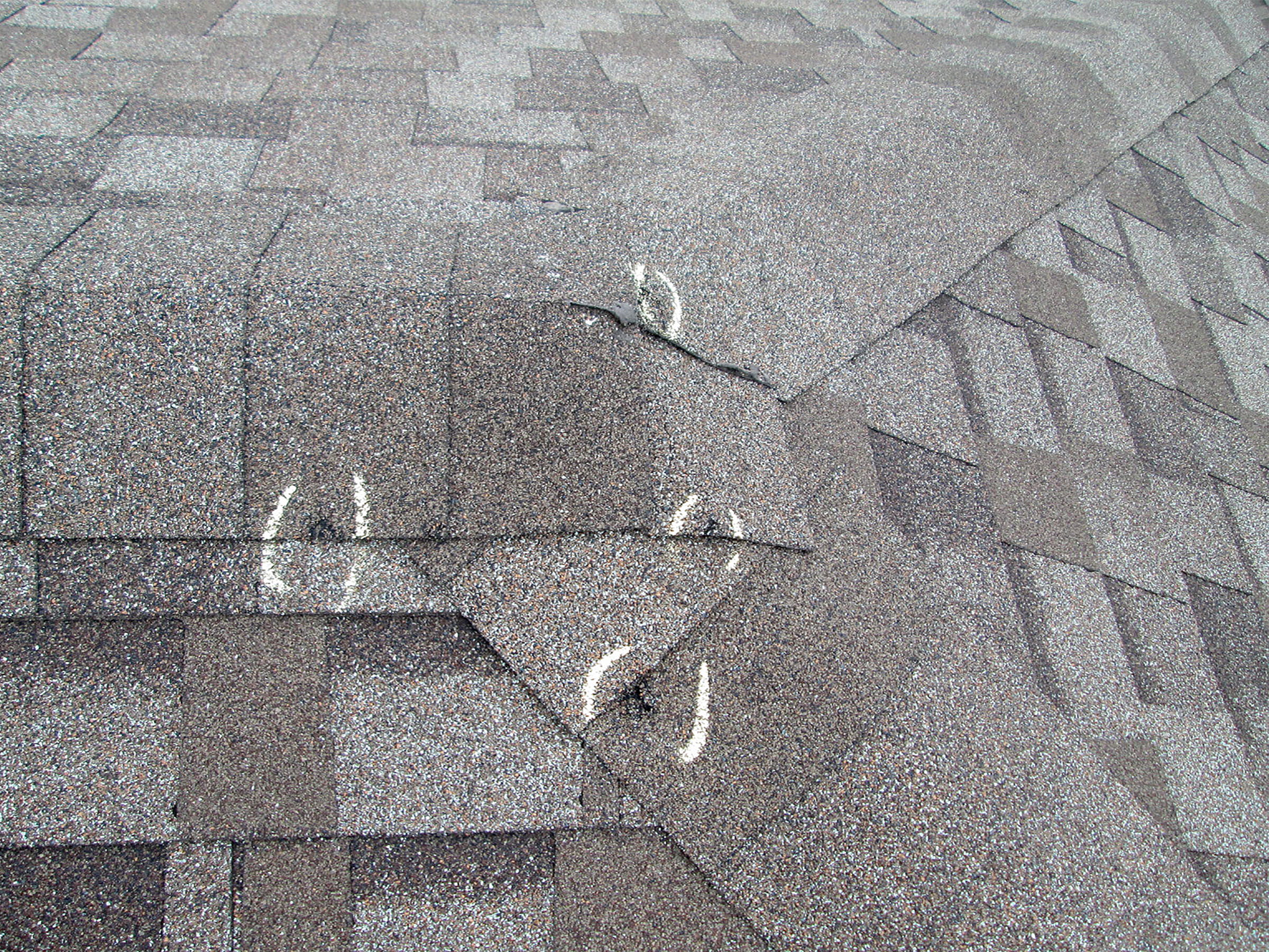
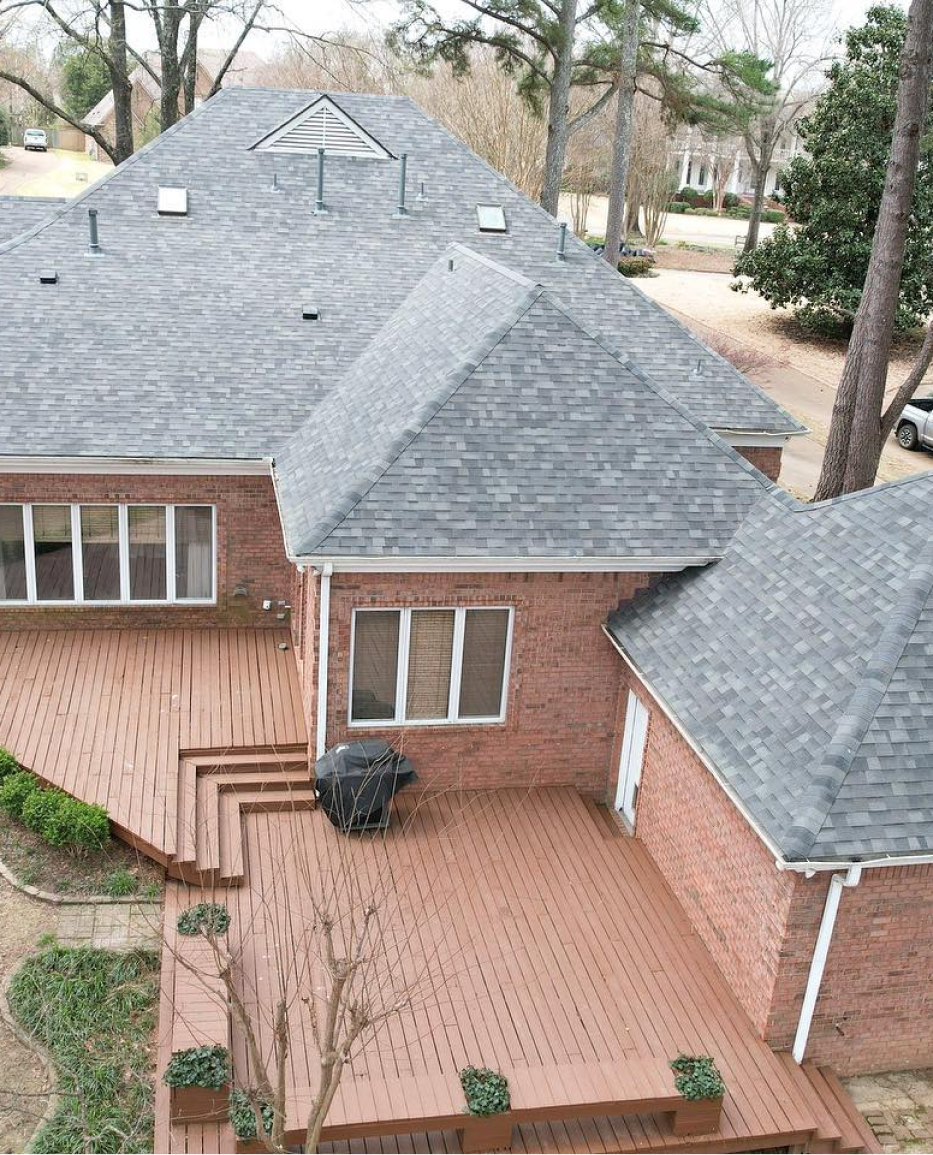
Cordova sits in the path of some of the most active spring storm corridors in the mid-South, with hailstorms occurring most frequently from March through June. These storms can strike without much warning, and even moderate hail can crack shingles, strip away protective granules, and create weak spots that won't show up as leaks right away. Asphalt shingles, which cover most homes in the area, are especially vulnerable to the impact of ice pellets combined with the temperature changes we experience throughout the year. What starts as invisible damage can turn into missing shingles, exposed underlayment, and eventually water entering your attic and ceilings.
The key to avoiding expensive repairs down the road is addressing hail damage quickly with a thorough roof inspection and targeted repairs. Miller Roofing and Renovations specializes in identifying the full extent of storm damage, from obvious dents and cracks to subtle granule loss that weakens your roof over time. We focus on restoring the protective barrier your home depends on, using quality materials and proven methods that stand up to the weather conditions Cordova homeowners face year after year. Our team understands how local storms affect roofing systems and works to make sure your repairs hold up for the long term.
Hail damage can create uncertainty about the true condition of a roof. This process is structured to provide a clear assessment and outline the appropriate next steps.
Hail damage shows up differently depending on what your roof is made of. Asphalt shingles often develop cratering or lose their protective granules, which you might not notice until weeks later when a second storm brings leaks. Metal roofs tend to show cosmetic denting that rarely affects performance, while slate or tile roofs may have individual pieces that crack and need replacement. Commercial buildings with TPO or EPDM membrane roofing face different challenges, as punctures or tears in the membrane can be small but lead to quick interior water problems. Knowing what to look for helps you catch damage before it spreads.
Wind often accompanies hail in this area, and the combination creates multiple points of failure. Lifted shingles or loose fasteners from wind give water an easy path inside, even if the hail strikes themselves seem minor. Gutters and fascia boards also take a beating during these storms, and when they're dented or cracked, water stops draining correctly and starts pooling near your foundation or running behind your siding.
The spring and early summer weather patterns here make hail damage a recurring concern for homeowners, and catching it early protects your home from the kind of deterioration that leads to interior water problems and structural issues. A professional inspection gives you clarity on what's actually happening with your roof and helps you maintain the long-term performance of your roofing system. Addressing visible damage and hidden weak spots now keeps small problems from turning into expensive work later.
Miller Roofing and Renovations helps Cordova homeowners restore their roofs after hailstorms with reliable repairs that hold up to local weather conditions. When you're ready to schedule a complete inspection of your roof and gutter systems, reach out to our team, and we'll walk you through the next steps.
Got questions about your roof? We’ve got answers. From maintenance tips to insurance claims and repair timelines, our FAQ section covers the most common concerns homeowners have. Get informed and make confident decisions about protecting your home.
You should schedule an inspection within a week or 2 after a hailstorm, even if you don't see obvious problems from the ground. Some damage, like granule loss or hairline cracks, takes time to reveal itself through leaks, and catching it early prevents water from working its way under your shingles. Waiting too long also makes it harder to connect new leaks to a specific storm if you need documentation later.
Yes, hail often causes damage that's nearly impossible to spot from ground level. Bruising on asphalt shingles may look fine from below but show compression damage up close, and granule loss on the back slopes of your roof won't be visible at all unless someone climbs up to check. We've found significant damage on roofs where homeowners had no idea anything was wrong until we performed a detailed inspection after a storm passed through the area.
Repairing only the most visible damage can leave weakened shingles in place that fail within a year or 2, forcing you to pay for another round of repairs sooner than expected. A complete inspection ensures we catch all the affected areas in one visit, so your roof performs consistently across the entire surface. Partial repairs also create mismatched shingle ages and weathering patterns that can affect how well your roof sheds water over time.
We will be happy to assist you
